

Dr. Tomasz Borecki is a specialist in Traditional Chinese Medicine (TCM) with over 25 years of experience. He was educated in China, where he developed his expertise in Eastern medicine. He actively promotes TCM in Poland and internationally. More information can be found in the “About Us” section.
TCM Guide to Stress and Better Sleep
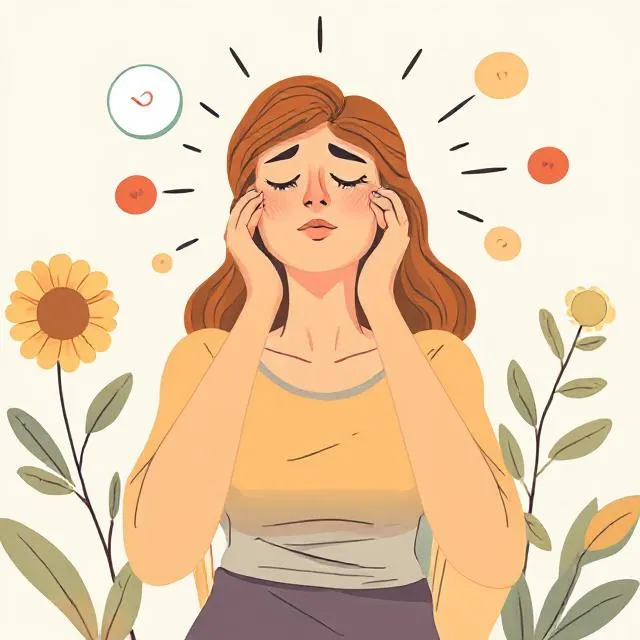
The Strange Moment When the Body Is Tired but the Mind Refuses to Sleep
You probably know this moment.
You finally lie down after a long day. The body feels heavy, your eyes close… and suddenly your brain decides it’s the perfect time to replay every conversation from the past ten years.
That awkward meeting at work.
The email you forgot to send.
The thing you said in 2017 that nobody remembers — except your brain at 1:30 AM.
Patients often joke about it:
“If I had this many ideas during the day, I’d probably be a genius.”
But night after night, that mental marathon becomes exhausting.
Sleep, something that should feel natural, starts to feel like a complicated puzzle.
Modern science usually explains insomnia through hormones, stress levels, or circadian rhythms. Those factors matter, of course. But Traditional Chinese Medicine (TCM) looks at the problem from a slightly different angle — one that is both poetic and surprisingly practical.
In this ancient perspective, sleeplessness rarely appears out of nowhere.
Instead, it’s often the result of an imbalance inside the body’s energy system, something that slowly builds up during the day.
When the body and mind lose their rhythm, the night becomes the first place where we notice it.
A Different Perspective on Sleep and stress: The Philosophy of Traditional Chinese Medicine
Traditional Chinese Medicine developed over thousands of years of observation. Ancient physicians didn’t have MRI scanners or sleep laboratories, but they had something equally valuable — careful attention to patterns in the human body.
They noticed something interesting.
People who slept well often shared certain traits:
- their emotions flowed naturally
- their digestion was stable
- their daily rhythm was regular
Those who struggled with sleep and stress often experienced emotional tension, fatigue, or overstimulation during the day.
From this perspective, sleep is not just a nighttime event.
It’s a reflection of how the body lives during the entire day.
What Qi Really Means in Everyday Life
One of the central ideas in TCM is Qi.
The word is often translated as “energy,” but that’s a simplification.
Think of Qi more like the flow of life inside the body — the subtle movement that keeps everything working smoothly.
When Qi flows freely:
- the body feels balanced
- emotions move naturally
- sleep arrives without effort
But when Qi becomes blocked or stagnant, the body begins sending signals.
Sometimes those signals appear as tension in the shoulders.
Sometimes as irritability.
And sometimes…
as a brain that refuses to switch off at night.
The Concept of Shen — The Quiet Mind That Lives in the Heart
Another important concept in TCM is Shen.
Shen is difficult to translate into one word. The closest meaning would be the spirit of the mind — our emotional clarity, awareness, and inner calm.
Ancient Chinese texts describe Shen in a beautiful way:
“Shen lives in the heart.”
When Shen is calm:
- the mind feels clear
- emotions are stable
- sleep becomes deep and refreshing
But when Shen is disturbed — by stress, overstimulation, or emotional pressure — the mind becomes restless.
And the night turns into a stage where thoughts perform their endless show.
Why Modern Life Is the Perfect Recipe for Sleepless Nights
Let’s be honest.
Modern life is not exactly designed for inner balance.
We live in a world where stimulation never stops.
The Endless Flow of Information
Just think about how much information you process in a single day.
Messages, emails, notifications, news, social media, meetings, deadlines.
Your brain jumps from topic to topic like a hyperactive monkey on caffeine.
The problem?
Your mind never gets a real moment to slow down.
By the time evening arrives, all that unprocessed information begins to surface.
And guess when it usually appears?
Exactly when you turn off the lights.
The Hidden Cost of Late-Night Screens
One more modern habit quietly disturbs our natural rhythm.
The glowing rectangle in our hands.
Phones and laptops emit blue light, which keeps the brain in an alert state. At the same time, the endless stream of content stimulates emotional and mental activity.
From the perspective of TCM, this constant stimulation agitates Shen.
Instead of settling into calmness, the mind remains in a subtle state of alertness.
Your body is ready for rest.
Your brain thinks the day just started.
The Most Common Causes of Insomnia and stress According to Traditional Chinese Medicine
In clinical practice, several patterns appear again and again when people struggle with sleep and stress
Let’s explore the most common ones.
Liver Qi Stagnation and Emotional Pressure
The liver in TCM is responsible for the smooth flow of Qi throughout the body.
When emotional tension builds up during the day — frustration, stress, suppressed emotions — the liver energy can become stagnant.
This often leads to:
- irritability
- muscle tension
- restless thoughts at night
Patients often describe it like this:
“Everything felt fine during the day… but at night my mind starts analyzing my entire life.”
From a TCM perspective, this is a classic sign that Qi accumulated during the day and tries to move at night.
Weak Heart Blood and an Unsettled Mind
Another pattern involves what classical texts call Heart Blood deficiency.
In simple terms, the body lacks the nourishment that stabilizes Shen.
This pattern may appear when someone is:
- exhausted for long periods
- under constant stress
- eating irregularly
Sleep becomes lighter and easily disturbed.
People often wake up frequently or experience vivid dreams.
Mental Overload in the Digital Era
Ancient Chinese physicians never had to deal with smartphones.
But if they saw modern lifestyles, they would probably shake their heads.
Constant thinking, planning, analyzing, scrolling, multitasking — it’s like running a mental marathon every day.
The mind simply forgets how to switch into rest mode.
What makes this even more intense is that there’s almost no real pause anymore. Even during so-called rest, people often reach for their phones, filling every empty moment with more input. Notifications, messages, news, and endless content keep the brain in a state of constant stimulation. Over time, this doesn’t just feel tiring — it starts to affect focus, sleep quality, and emotional balance.
In Traditional Chinese Medicine, this kind of overstimulation is often seen as a disruption of internal harmony. The mind is meant to be clear and calm, not constantly “on alert.” When this balance is lost, it becomes harder to relax even when the environment is quiet.
That’s why practices like meditation, breath awareness, and acupressure are becoming so relevant today. They act as a counterbalance to digital overload, giving the nervous system a chance to slow down and reset. Even a few minutes of intentional stillness can help the mind remember something it’s slowly forgetting — how to simply be, without doing anything at all.
How Sleep Problems Are Increasing Worldwide
Sleep difficulties are no longer rare.
They are becoming incredibly common.
Research suggests that nearly one-third of adults worldwide experience insomnia symptoms.
In China, studies report that around 45% of people experience sleep and anxiety problems, ranging from trouble falling asleep to frequent waking during the night.
A 2025 survey even found that 48.5% of adults reported sleep disturbances, highlighting how widespread the issue has become.
Urban lifestyles, stress, late-night work, and digital overload all contribute to the trend.
From the perspective of Chinese medicine, this makes perfect sense.
The faster life moves, the harder it becomes for the mind to settle.
Chinese Herbal Traditions That Support Calm Evenings
Herbs in Chinese medicine are rarely used as single ingredients.
Instead, practitioners often rely on classical herbal formulas developed over centuries of clinical observation.
These formulas aim to restore internal harmony, rather than targeting a single symptom.
What makes these traditional formulas so fascinating is that they often address more than just occasional restlessness at night. In Chinese herbal philosophy, a calm evening starts long before your head touches the pillow. Daily stress, emotional tension, mental overactivity, and even lifestyle habits are believed to influence how easily the body transitions into a restful state.
Rather than forcing the body to “switch off,” many classical formulas are designed to gently support balance throughout the system. Some combinations traditionally focus on nourishing what practitioners describe as the Heart and Liver systems—concepts that extend beyond the physical organs and relate to emotional well-being, mental clarity, and inner stability.
This holistic approach is one reason Chinese herbal traditions continue to attract interest worldwide. People are often surprised to learn that the goal is not simply relaxation. Instead, the emphasis is placed on creating the internal conditions that naturally encourage a peaceful evening routine.
Think of it like preparing a garden for healthy growth. Instead of pulling on the plants to make them grow faster, you improve the soil, provide water, and create the right environment. Traditional Chinese herbal formulas follow a similar philosophy: support overall harmony first, and the body may respond by finding its own rhythm more easily.
Of course, herbal traditions work best when paired with healthy daily habits, including regular sleep schedules, mindful stress management, and a balanced lifestyle.
Jia Wei Xiao Yao Wan
If you’ve ever felt like your brain refuses to shut off after a long day, Jia Wei Xiao Yao Wan might sound familiar to anyone exploring traditional Chinese wellness routines. This herbal formula has a long-standing reputation in Chinese medicine for harmonizing liver energy and gently balancing the body’s internal flow. Think of it as a way to help your body “let go” of the tension accumulated throughout the day.
People often turn to Jia Wei Xiao Yao Wan during moments of irritability, emotional pressure, or that vague sense of internal heat—the kind that makes your chest feel tight or your thoughts race when you just want to relax. It doesn’t knock you out or force sleep like a sedative; instead, it creates a gentle environment where your mind can settle naturally, letting your evening feel calmer and more peaceful.
The magic of this formula lies in its balance. Unlike a quick fix that targets just one symptom, Jia Wei Xiao Yao Wan works on multiple layers of energy—supporting the liver, soothing emotional tension, and helping the body find equilibrium. Many people describe it as a bit like taking a deep sigh after a long day: your muscles relax, your thoughts slow down, and you finally feel ready to let go.
Read more: THE BEST 3 CHINESE HERBS FOR STRESS RELIEF AND EMOTIONAL BALANCE
Jia Wei Xiao Yao Wan
An emotional & digestive support champion. It helps release stress, ease bloating, PCOS
👉 [See on Amazon]
👉 [Check on eBay]
👉 [Check out Arcane herb shop (herbal products are handcrafted)]
Suan Zao Ren Wan
If Jia Wei Xiao Yao Wan is like a gentle exhale, Suan Zao Ren Wan is more like a warm hug for your mind. Its star ingredient, sour jujube seed (Ziziphus jujuba), has been cherished in Chinese herbal traditions for centuries for its calming and balancing properties.
People reach for Suan Zao Ren Wan when the mind is racing, evenings feel restless, or sleep seems just out of reach. It’s known to support emotional calm, encourage deeper rest, and help the mind settle after the whirlwind of daily responsibilities. The effect is subtle but profound—rather than forcing sleep, it helps create the perfect environment for your body’s natural rhythm to take over.
Suan zao ren wan
Support emotional calm, encourage deeper rest, and help the mind settle
👉 [See on Amazon]
👉 [Check on eBay]
👉 [Check out Arcane herb shop (herbal products are handcrafted)]
Read more:
TOP CHINESE HERBS FOR INSOMNIA: NATURAL WAYS TO SLEEP BETTER
Chrysanthemum Flower (Ju Hua)
Then there’s the beloved Chrysanthemum flower, or Ju Hua, a staple in nearly every Chinese home. This isn’t just a flower; it’s a centuries-old evening ritual. Chrysanthemum tea is gentle, cooling, and remarkably soothing. A cup in the evening can relax tired eyes, ease mental tension, and help your mind drift toward a calm, quiet state.
For many in China, sipping Ju Hua tea is as natural as drinking black tea in Europe. It’s part of the unwinding routine—something to hold in your hands while letting your thoughts settle. The floral aroma alone can signal to your body: “It’s time to slow down.” Even a few minutes of this ritual can make your evening feel intentional, cozy, and surprisingly restorative.
Ju hua
Relax tired eyes, ease mental tension, and help your mind drift toward a calm, quiet state.
👉 [See on Amazon]
👉 [Check on eBay]
👉 [Check out Arcane herb shop (herbal products are handcrafted)]
Acupressure Points That Help Calm the Mind
In Traditional Chinese Medicine (TCM), the body isn’t just a collection of muscles and organs—it’s a vibrant network of meridians, invisible pathways through which Qi, or life energy, flows. When Qi moves freely, the body feels balanced and calm. But when it’s blocked or stagnant, tension, restlessness, or sleepless nights can sneak in. That’s where acupressure comes in—a simple, hands-on way to support the natural flow of energy and encourage relaxation.
Acupressure doesn’t require any fancy equipment or complicated routines. By gently pressing and massaging specific points on the body, you can help signal to your nervous system that it’s time to unwind, slow down, and prepare for rest. Three points, in particular, are highly valued for evening relaxation and emotional balance.
Shen Men (HT7) is located on the inner wrist, right near the crease on the side of the pinky. In TCM, this point is often called the “Spirit Gate” because it’s closely tied to calming the mind and supporting emotional equilibrium. Spending a few minutes on this spot can create a soothing, grounding effect, almost like telling your brain, “Hey, it’s okay to relax now.”
Read more: SHEN MEN: YOUR STRESS RESET POINT
Tai Chong (LV3) is found on the top of the foot, in the depression between the first and second toes. This point is connected to liver energy, which governs the smooth flow of emotions. When life feels overwhelming, gentle pressure on Tai Chong can help release pent-up tension and ease racing thoughts, making it easier to transition into a calm evening.
Finally, An Mian, tucked behind the ear, is traditionally associated with deep relaxation and restful nights. Massaging this spot while breathing slowly can produce a surprisingly calming effect, helping your body and mind shift into a state of restfulness almost immediately.
Using these points for just 3–5 minutes each evening—combined with slow, intentional breathing—can transform bedtime from a stressful race against your thoughts into a peaceful, restorative ritual. Even small, consistent practice can make a noticeable difference in how your mind and body unwind at the end of the day.
Learn acupressure for stress and insomnia – read more to find out how!– ACUPRESSURE PRACTICAL GUIDE
Foods in Traditional Chinese Medicine That Encourage Evening Calm
Food in TCM is more than calories.
Each ingredient carries its own energetic qualities.
Some foods help stabilize energy and promote calm evenings.
Red Jujube Dates
Often used in soups or herbal teas.
Traditionally valued for supporting blood nourishment and emotional stability.
Lotus Seeds
A common ingredient in Chinese desserts.
Associated with calming the mind and supporting balance.
Millet
A light grain that is easy to digest.
Many practitioners suggest simple evening meals that are warm and gentle on the digestive system.
Sometimes the simplest meal works best:
millet porridge with jujube dates and chrysanthemum tea.
Simple, comforting, and surprisingly effective.
Qi Gong and Meditation — Gentle Ways to Slow Down the Mind
Movement and breath are central to Chinese health practices.
Qi Gong combines slow movements with calm breathing.
The goal isn’t exercise in the Western sense.
The goal is restoring the flow of Qi.
A simple practice:
- Stand comfortably.
- Place hands on the lower abdomen.
- Breathe slowly for five minutes.
It sounds almost too simple.
But many people find that regular practice helps the mind gradually slow down.
Read more:
QIGONG: THE KEY TO A HEALTHIER, MORE RELAXED YOU
MEDITATION FOR PEOPLE WHO DON’T KNOW WHERE TO START
Two Real Stories from Clinical Practice
Case 1 — The IT Specialist
Imagine spending eight hours staring at screens, juggling code, emails, and deadlines—and then expecting your brain to quietly switch off at night. That was the reality for a 38-year-old programmer who came to me with a familiar complaint: intense evening overthinking. By the time he got home, his mind didn’t just want to relax—it kept running like a high-speed server farm, analyzing every meeting, task, and lingering worry from the day.
In TCM, we looked at this as a combination of stagnation of liver Qi and mild imbalance in heart energy. The approach was simple but deliberate:
- Jia Wei Xiao Yao Wan, to harmonize liver and spleen energy and help the mind settle.
- Gentle acupressure on the Tai Chong (LV3) point, a classic spot to release pent-up tension and smooth the flow of emotions.
- Lighter evening meals, avoiding heavy or fried foods that could overstimulate the digestive system and interfere with the natural rhythm of energy.
After a few weeks, he noticed a remarkable change. As he put it: “My brain finally shuts down before midnight.” No more tossing and turning, no more endless internal to-do lists—just a mind gradually letting go.
Case 2 — Waking at 3 AM
The second story involves a 46-year-old woman who experienced nightly awakenings around 3 AM—a time TCM associates with liver activity. Her complaint wasn’t just insomnia; it was that her mind woke up and ran wild, analyzing every detail of her life like a relentless reviewer.
Our approach combined traditional methods with gentle lifestyle shifts:
- Suan Zao Ren Wan, a time-honored formula to support emotional calm and evening rest.
- Chrysanthemum tea in the evening, known for its cooling, soothing properties.
- 10 minutes of Qi Gong before bed, using slow, mindful movements to guide Qi gently and calm Shen.
A month later, she shared a simple, yet powerful observation: “For the first time in years, my brain doesn’t analyze my life at 3 AM.”
These two cases show something fascinating: even small, consistent shifts in herbs, acupressure, diet, and gentle movement can create profound changes in the way mind and body unwind, helping natural rhythms return without force or medication.
My Personal Experience Studying Chinese Medicine in China
During my studies in China, I lived near an old clinic in Beijing.
Every morning something fascinating happened.
Before the clinic even opened, a group of elderly people gathered outside.
They weren’t waiting for treatment.
They were practicing Qi Gong together.
One woman in her seventies once told me:
“If you move Qi in the morning, Shen finds sleep by itself at night.”
That sentence stayed with me for years.
Sometimes the most powerful lessons are also the simplest.
Scientific Research on Traditional Chinese Medicine and Sleep
You might think that ancient healing traditions and modern science live in completely different worlds — but when it comes to sleep, they’re starting to meet in interesting ways. Over the past decade, researchers around the globe have been exploring how time‑tested practices from Traditional Chinese Medicine can relate to modern sleep science.
One area that has drawn serious attention is herbal medicine. Researchers aren’t just curious — they’re actively conducting clinical trials to see how classical herbal formulas may influence sleep quality, emotional calm, and the body’s natural rhythm. These studies don’t treat herbs as mystical potions; instead, they investigate how specific plant compounds interact with our nervous system and stress‑regulation pathways.
Another focus is body‑based therapies, including acupuncture and tuina (a form of therapeutic massage). These therapies are being studied not only for pain relief but also for their potential calming effects on the nervous system, which can translate into smoother transitions into sleep and fewer nighttime awakenings.
A clear example from the scientific literature is research into the calming effects of herbs traditionally used to support restful nights. For instance, a study indexed on PubMed examined how herbal components found in classic sleep‑related formulas may influence sleep patterns and emotional balance:
👉 https://pubmed.ncbi.nlm.nih.gov/35104765/
This study highlights that some traditional herbs show promising activity on biological pathways involved in sleep regulation and stress response. But here’s the key point: modern research typically looks at individual compounds, whereas Traditional Chinese Medicine views herbs as part of a balanced system — a carefully crafted combination that works together harmoniously.
So while science continues to break down the details molecule by molecule, TCM reminds us that healing and balance often happen at the system level, not just the ingredient level. That’s why both perspectives can be valuable — scientific precision paired with holistic understanding.
Three Simple Daily Habits That Help Restore Balance
Sometimes it’s not the big life changes that make you feel better — it’s the small things you repeat every day. The quiet habits. The ones that don’t look impressive but slowly bring you back to yourself.
🔴 | Take something as simple as turning off your phone an hour before sleep. At first, it feels unnecessary. Maybe even uncomfortable. But over time, that one hour becomes a buffer between you and the noise of the day. Your mind finally gets a chance to slow down, instead of jumping from notifications straight into restless sleep.
🔴 | Eating dinner a bit earlier works the same way. It’s not about strict rules — just giving your body time to breathe before the night. When you’re not going to bed full and heavy, sleep feels lighter, deeper, more natural. You wake up with more energy without really knowing why.
🔴 | And then there’s ten minutes of silence. No pressure to “do it perfectly.” Just sit, breathe, stretch, or stare out the window. It sounds almost too simple to matter, but that pause can reset your whole day.
🔴 | The truth is, balance doesn’t come from complicated routines. It grows from small, consistent choices. The kind that quietly support you in the background.
Simple doesn’t mean ineffective. Simple, done daily, is often what changes everything.
Sleep Wisdom from Ancient Chinese Culture
In ancient China, sleep was considered sacred.
Some people even used porcelain or jade pillows, believing the cool material helped keep the mind calm.
There was also a traditional guideline:
Go to sleep before 11 PM.
In Chinese medicine theory, this time marks the beginning of the liver’s nightly restoration cycle.
Coincidence?
Maybe.
But thousands of years of observation often hide surprising wisdom.
Conclusion: When Energy Finds Its Rhythm Again
Sleep and anxiety problems rarely appear overnight.
They usually grow slowly — through stress, overstimulation, irregular routines, and emotional tension.
Traditional Chinese medicine reminds us of something simple yet powerful:
Balance matters.
When Qi moves freely,
when Shen feels calm,
when the body follows a natural rhythm…
sleep often returns quietly, almost by itself.
Sometimes the greatest discoveries about health aren’t hidden in futuristic laboratories.
Sometimes they’re written in ancient texts that simply remind us:
The body loves harmony.
And when we give it the chance… it often remembers how to rest.
FAQs
Can Traditional Chinese Medicine support better sleep?
Yes, many people explore herbs, acupressure, diet, and breathing practices to support calm evenings.
How long should Qi Gong practice last?
Even 5–10 minutes daily can create noticeable relaxation.
Can Chinese herbs be used independently?
It is always wise to consult an experienced practitioner before using herbal formulas.
Does diet really influence sleep quality?
Traditional Chinese medicine places strong emphasis on food as part of overall balance.
Is overthinking at night common?
Very common — especially in people experiencing daily stress or mental overload.
Enjoyed this guide?
More practical insights from Chinese medicine are coming soon.
📩 Join the newsletter below the article to receive new guides on stress, sleep, and natural balance.
Must-Read Books
One informative resource is: “Acupressure’s Potent Points: A Guide to Self-Care for Common Ailments”
👉 [See this book on Amazon paperback][Kindle]
“Treating Emotional Trauma with Chinese Medicine: Integrated Diagnostic and Treatment Strategies”
👉 [See this book on Amazon Paperback][Kindle]
and: “The Acupressure Bible: The Complete Self-Treatment Guide to Relieve Pain, Reduce Anxiety & Restore Energy — Your Natural Healing Companion for the Demands of Modern Life’“
👉 [Check the price on Amazon paperback][Kindle]
Acupressure Pen-Helps you apply the perfect amount of pressure with minimal effort to get a deep trigger point massage
👉 [See this book on Amazon ]
Authentic Traditional Chinese Medicine (TCM) Herbal Formulas
If you’re looking for high-quality, practitioner-recommended TCM formulas — available globally — consider the following options. These time-tested products are crafted with care and widely used to support emotional balance, digestion, energy, and overall wellness.
Note: This post contains affiliate links to products we’ve actually tried from reliable, certified sellers. Supporting these links helps maintain our blog. Thank you! 🙏
Top Herbal Formulas
Jia Wei Xiao Yao Wan
An emotional & digestive support champion. It helps release stress, ease bloating, PCOS
👉 [See on Amazon]
👉 [Check on eBay]
👉 [Check out Arcane herb shop (herbal products are handcrafted)]
Chai hu shu gan wan
Support emotional balance and smoother internal flow
👉 [See on Amazon]
👉 [Check on Ebay]
👉 [Check out Arcane herb shop (herbal products are handcrafted)]
Ma zi ren wan or Run chang wan
Gently support bowel moisture and movement
👉 [See on Amazon]
👉 [Check on Ebay]
👉 [Check out Arcane herb shop (herbal products are handcrafted)]
These formulas are based on ancient herbal wisdom and used worldwide by TCM practitioners. Be sure to consult a professional for personalized advice.
🎁 Get 5% OFF with this code!
Use promo code TCMHEAL5 at checkout to enjoy an exclusive 5% discount—available only at Arcane Herbs Shop.
At Arcane Herbs Shop in Chicago’s Chinatown, every formula is carefully prepared using traditional methods and natural ingredients. You can also browse and order our selections [here].