
The Ancient Healing Method You Need to Combat Stress and Anxiety

Dr. Tomasz Borecki is a specialist in Traditional Chinese Medicine (TCM) with over 25 years of experience. He was educated in China, where he developed his expertise in Eastern medicine. He actively promotes TCM in Poland and internationally. More information can be found in the “About Us” section.
What is Traditional Chinese Medicine (TCM)?
Traditional Chinese Medicine (TCM) isn’t a wellness fad or something pulled from a trendy Instagram reel. It’s a health system that’s been evolving for over 2,500 years—and it looks at your body very differently than modern Western medicine. In TCM, you’re not just a collection of symptoms. You’re a whole ecosystem. Your body, mind, emotions, lifestyle, and energy are all deeply connected. When everything flows smoothly, you feel good. When it doesn’t, your body starts sending signals.
At the center of TCM is Qi (pronounced “chee”)—your life energy. Think of it like electricity powering a city. When Qi flows freely, things work. When it gets blocked or weak, problems show up. Anxiety, tension, poor sleep, constant stress? In TCM, those aren’t random or “just in your head.” They’re signs that something is out of balance.
TCM has a fascinating way of understanding emotions. Each major emotion is linked to an organ system. Chronic stress is connected to the liver. Long-term anxiety and fear can drain the kidneys. Overthinking can weaken digestion. Strange? Maybe at first. But it also makes sense—haven’t you ever felt stress in your gut or tension in your chest?
This is why TCM doesn’t rely on a single solution. Instead of masking symptoms, it asks why they’re happening. Treatment might include herbs, acupuncture, massage, breathing practices, gentle movement, and simple food adjustments. Nothing extreme—just consistent, supportive care.
Your body is always talking. TCM teaches you how to listen. And once you do, healing becomes less about fighting symptoms and more about restoring balance—naturally, patiently, and in a way that actually fits real life.
Nei Guan Point – Your Emergency Stress Button
Nei Guan, also known as Pericardium 6 (P6), is one of the most well-known acupressure points used in Traditional Chinese Medicine (TCM) for relieving anxiety and stress. Located on the inner forearm, about three fingers’ width below the wrist, between two tendons, this point acts like a natural calming agent for the nervous system.
How to Find and Stimulate Nei Guan?
To find the Nei Guan point, simply place your three middle fingers above your wrist. The point is located just below the middle finger on the inside of the forearm. Gently press or massage the area with your thumb for 3-5 minutes, moving in circular motions. Focus on deep breathing as you do this. You can do this multiple times a day, especially before a stressful event. Detailed instructions on how to massage Nei Guan can be found on our YouTube channel HERE.
Health Benefits of Stimulating Nei Guan
This simple technique can help reduce stress, anxiety, and even alleviate heart palpitations and insomnia. Stimulating this point regularly can provide remarkable results in calming the body and mind.
Surprising Facts About Nei Guan (P6) That Will Shock You
- A Natural Remedy for Nausea – Nei Guan is not only known for calming anxiety, but it’s also an effective remedy for nausea, including motion sickness, pregnancy-related nausea, and chemotherapy-induced nausea. That’s why motion sickness bands are designed to apply pressure to this exact point!
- Instant Stress Relief – According to TCM, Nei Guan helps regulate Qi in the heart and mind. Massaging this point helps calm emotions, stop the rush of thoughts, and relax the body. It’s like hitting the “pause” button for panic.
- Better Sleep – Stimulating Nei Guan before bedtime can help with insomnia, making your nights much more restful. Just a few minutes of pressure can significantly improve sleep quality.
- Support for the Circulatory System – Nei Guan positively influences heart function and circulation, helping to ease heart palpitations and tension in the chest.
- Activates the Vagus Nerve – Stimulating this point can activate the vagus nerve, which lowers heart rate, blood pressure, and cortisol (the stress hormone).
This tiny point holds remarkable power—literally at your fingertips! Try it for yourself and feel the difference.
Other Effective Acupressure Points for Stress and Anxiety
- Shen Men – The Point of Calm
Shen Men isn’t only found on the ear. In Traditional Chinese Medicine, there’s also a powerful Shen Men point on the hand, located on the wrist crease, on the inner side of the wrist, just in line with the little finger. This point is famous for calming the mind, easing anxiety, and helping the body switch into rest mode—especially in the evening.
Gently massaging Shen Men can help quiet racing thoughts, relax the nervous system, and prepare you for better sleep. The key is how you massage it and how long
If you want to see the exact location and learn the proper technique step by step, check out our video on our YouTube channel– HERE, where we show you exactly how to do it safely and effectively. Your calm starts there - Yin Tang – The Third Eye of Balance
Located between the eyebrows, Yin Tang helps quiet the mind, improve focus, and promote relaxation. - Tai Chong (LV3) – Control Your Emotions
This point, located on the foot between the big toe and the second toe, helps release tension and improves the flow of Qi in the liver- Can be found on our YouTube channel- HERE
A quick guide to help you understand this better: ACUPRESSURE PRACTICAL GUIDE
Additional TCM Techniques for Reducing Stress
- Herbal Remedies – Natural Adaptogens
In Traditional Chinese Medicine, herbs aren’t used to “knock out” symptoms. They’re used to gently guide the body back into balance—especially when stress and anxiety have become part of daily life. Many TCM herbs are considered natural adaptogens, meaning they help the body adapt to emotional and physical stress rather than fight it. - One classic example is Suan Zao Ren (wild jujube seed). It’s well known for calming the spirit, easing restlessness, and supporting deeper, more restorative sleep. When your mind won’t slow down at night, this herb helps signal safety and relaxation to the nervous system.
- Another beautiful herb is He Huan Pi, often called the “herb of happiness.” It’s traditionally used to harmonize emotions, release emotional tension, and support people who feel stuck, overwhelmed, or emotionally heavy.
- TCM also relies on herbal formulas, not just single herbs. Jia Wei Xiao Yao Wan is commonly used when stress shows up as irritability, fatigue, mood swings, or sleep issues—especially when emotions feel bottled up. Chai Hu Shu Gan Wan focuses more on releasing tension and helping emotions move freely, which can be life-changing for people who carry stress in their chest, neck, or digestion.
- These remedies work best when chosen carefully and taken consistently. In TCM, herbs don’t force change—they invite balance. And when balance returns, calm follows naturally.
- Qi Gong and Tai Chi – Movement as Meditation
These are not just exercises—they are ways to work with your energy and breath. Regular practice strengthens your resistance to stress and enhances your mood. - TCM Diet – Eating for Peace
In TCM, food is medicine. To balance emotions, warm meals like soups, cooked vegetables, and avoiding raw food are recommended. Foods like pumpkin, rice, ginger, and dates are particularly soothing.
Daily TCM Routines for Stress Relief
Daily TCM routines for stress relief don’t have to be complicated—they just need to be consistent and calming.
Morning Qi Activation
Start your day gently, not by jumping straight into stress. Take a few slow, deep breaths before even checking your phone. Add a bit of light stretching—nothing intense, just enough to wake up your body. Then spend a minute or two massaging the Nei Guan point on your wrist. It might feel small, but this simple habit can help settle your mind, support digestion, and get your energy (Qi) moving in the right direction. It’s like giving your body a soft “let’s go” instead of a shock.
Evening Relaxation – Sleep Rituals
At night, the goal is the opposite: slow everything down. A couple of minutes massaging Yin Tang (between your eyebrows) and Shen Men (on your ear) can help release built-up tension from the day. Try to limit screens before bed—your brain needs a break from constant input. Instead, sip on a warm herbal tea and give yourself time to unwind. These small signals tell your nervous system it’s safe to relax, making it easier to fall asleep and actually rest.
Read more: THE BETTER SLEEP & STRESS RELIEF GUIDE
Real Clinic Stories: How TCM Restores Emotional Balance
Case 1: Chronic Stress, Irritability, and Poor Sleep
A 38-year-old woman came to the clinic feeling constantly tense, emotionally overwhelmed, and exhausted. She described tightness in her chest, frequent sighing, and trouble sleeping despite being “tired all the time.” In TCM terms, this pointed to liver Qi stagnation with heat. She was prescribed Jia Wei Xiao Yao Wan to help regulate emotions, release internal tension, and support better sleep. We also worked with the Nei Guan (PC6) point—massaged daily to calm the heart and ease anxiety. Within a few weeks, she reported fewer emotional swings, deeper sleep, and a noticeable sense of calm.
Case 2: Anxiety with Palpitations and Digestive Issues
A 45-year-old man struggled with anxiety, chest tightness, and a “fluttering” feeling in his heart, especially during stressful workdays. He also had bloating and a nervous stomach. Treatment focused on regulating the heart and calming the mind. Nei Guan was used regularly to soothe the nervous system, while Jia Wei Xiao Yao Wan helped balance emotions and digestion. After a month, his palpitations eased, digestion improved, and he felt more emotionally stable.
These cases show how TCM doesn’t chase symptoms—it restores balance, step by step.
My Experience from China
My understanding of Traditional Chinese Medicine deepened during my time in China, where I studied and observed TCM in real clinical settings. What struck me most was how calmly and precisely practitioners worked with emotions. Anxiety was never treated as a standalone problem—it was always connected to lifestyle, diet, and emotional patterns.
I saw patients improve not because something was “suppressed,” but because balance was restored. Formulas like Jia Wei Xiao Yao Wan were adjusted carefully, and points such as Nei Guan were used daily, almost ritualistically. That experience changed how I see healing: slow, respectful, and deeply human.
Here’s a reliable scientific study showing that Traditional Chinese Medicine (TCM) can help with anxiety and stress-related symptoms:
A 2023 randomized controlled trial and meta-analysis looked at TCM exercise therapies like Tai Chi and similar practices to see how they affect anxiety and depression in adults. The analysis included multiple clinical trials with over 2,800 participants and found that TCM exercise significantly reduced anxiety compared with control groups. Tai Chi and related TCM exercises ranked among the most effective interventions for improving anxiety symptoms, suggesting real therapeutic value beyond placebo effects.
📄 You can read the abstract here: https://pubmed.ncbi.nlm.nih.gov/38146395/
This kind of research shows that TCM approaches—especially mind-body practices—can have measurable benefits for stress and anxiety, supporting what many clinicians and patients report in practice.
When to See a TCM Specialist
If stress and anxiety are affecting your daily life, it may be time to seek professional help. TCM can complement conventional therapies and offer a more holistic approach.
What to Expect During a TCM Consultation
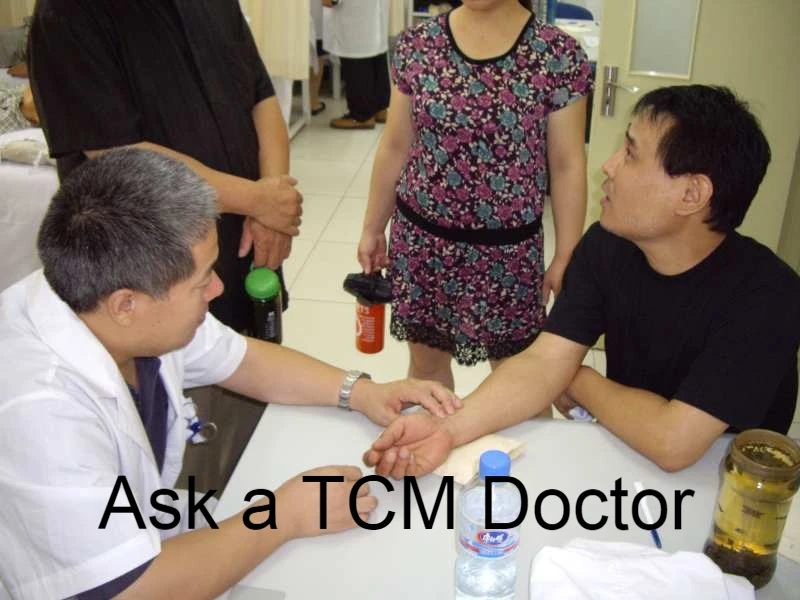
A TCM practitioner will take a detailed history, examine your tongue, check your pulse, and tailor a treatment plan specifically for you, which could include acupuncture, acupressure, and herbal remedies.
How to Choose the Right TCM Practitioner
Look for certified practitioners with solid experience and positive reviews. A good TCM specialist combines knowledge with intuition and a personal touch.
Conclusion – How to Start Today?
You don’t need to master all the principles of TCM to start feeling better. Begin with simple actions like Nei Guan massage, try some herbal remedies, and take care of your Qi. Your mind and body deserve balance—give them the chance to find it.
FAQ – Frequently Asked Questions
- Does Nei Guan massage work immediately?
Yes, many people experience relief within minutes, but consistent practice brings the best results. - Can I combine TCM with psychotherapy?
Absolutely! TCM is a wonderful complement to psychological and pharmacological approaches. - How often can I apply acupressure?
You can use acupressure daily, even several times a day, especially during stressful moments. - Are TCM herbs safe?
Yes, as long as they are properly selected. Consult with a specialist before starting any herbal treatment. - Will TCM help with panic attacks?
Many people see improvements with TCM, but for severe cases, it’s important to consult a healthcare provider for a comprehensive treatment plan.
This natural, holistic approach from TCM might be just what you need to manage stress and anxiety. Try it, and feel the difference!
Must-Read Books
One informative resource is: “Acupressure’s Potent Points: A Guide to Self-Care for Common Ailments”
👉 [See this book on Amazon paperback][Kindle]
and: “The Acupressure Bible: The Complete Self-Treatment Guide to Relieve Pain, Reduce Anxiety & Restore Energy — Your Natural Healing Companion for the Demands of Modern Life’“
👉 [Check the price on Amazon paperback][Kindle]
Acupressure Pen-Helps you apply the perfect amount of pressure with minimal effort to get a deep trigger point massage
👉 [See this book on Amazon ]
Authentic Traditional Chinese Medicine (TCM) Herbal Formulas
If you’re looking for high-quality, practitioner-recommended TCM formulas — available globally — consider the following options. These time-tested products are crafted with care and widely used to support emotional balance, digestion, energy, and overall wellness.
Note: This post contains affiliate links to products we’ve actually tried from reliable, certified sellers. Supporting these links helps maintain our blog. Thank you! 🙏
Top Herbal Formulas
Jia Wei Xiao Yao Wan
An emotional & digestive support champion. It helps release stress, ease bloating, PCOS
👉 [See on Amazon]
👉 [Check on eBay]
👉 [Check out Acana herb shop (herbal products are handcrafted)]
Chai hu shu gan wan
Support emotional balance and smoother internal flow
👉 [See on Amazon]
👉 [Check on Ebay]
👉 [Check out Acana herb shop (herbal products are handcrafted)]
Ma zi ren wan or Run chang wan
Gently support bowel moisture and movement
👉 [See on Amazon]
👉 [Check on Ebay]
👉 [Check out Acana herb shop (herbal products are handcrafted)]
These formulas are based on ancient herbal wisdom and used worldwide by TCM practitioners. Be sure to consult a professional for personalized advice.
🎁 Get 5% OFF with this code!
Use promo code TCMHEAL5 at checkout to enjoy an exclusive 5% discount—available only at Arcane Herbs Shop.
At Arcane Herbs Shop in Chicago’s Chinatown, every formula is carefully prepared using traditional methods and natural ingredients. You can also browse and order our selections [here].
Sharing the wisdom of Traditional Chinese Medicine is our passion and calling.
If these words resonate with you, and you’d like to help me keep creating, consider offering a symbolic cup of green tea or support through Ko-fi.