This 2,000-Year-Old Ritual May Be the Key to Better Sleep and Less Stress

Dr. Tomasz Borecki is a specialist in Traditional Chinese Medicine (TCM) with over 25 years of experience. He was educated in China, where he developed his expertise in Eastern medicine. He actively promotes TCM in Poland and internationally. More information can be found in the “About Us” section.
What Ancient Chinese Medicine Can Teach Us About Staying Calm Today
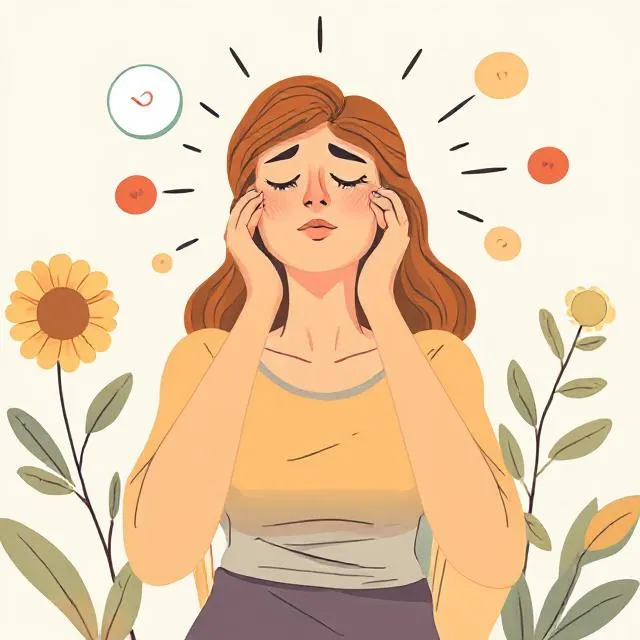
Stress today is like bad Wi-Fi — it shows up at the worst possible moment, slows everything down, and no one really knows how to fix it. Your heart starts racing, hands get sweaty, thoughts jump around like too many tabs open, and your shoulders creep up to your ears. Sound familiar? Exactly. And our usual “coping strategies”? Another coffee, endless doomscrolling, or maybe screaming into a pillow (no judgment here).
Now imagine something completely different. For thousands of years, people in China have been dealing with stress without pills, therapists, or smashing their phones. No notifications, no burnout buzzwords. Instead, they had Traditional Chinese Medicine — or TCM.
And no, this isn’t some mystical fairy tale about chanting monks surrounded by incense (although that happens too). TCM is a practical system built on careful observation of the body and mind, developed over generations by real people — farmers, doctors, warriors. At its core is a simple idea: stress isn’t “just in your head.” It’s a signal that something in the body is out of balance. Energy stops flowing smoothly, muscles tighten, and the mind switches into constant alert mode.
What’s really interesting is that modern science is starting to catch up. Research now supports parts of TCM, from acupuncture and herbal medicine to breathing techniques and mindful movement. No magic. No miracle promises. Just common sense mixed with thousands of years of trial and error.
Intrigued? This is only the beginning. If you want to learn how TCM understands stress — and how you can actually use some of these ideas in everyday life — keep reading.
How the Chinese Chill Out Without Xanax
Yin and Yang – The Real Work-Life Balance
In TCM, everything is about balance. You’ve probably heard of Yin and Yang, right? It’s not just a tattoo — it’s the idea that your energy needs to be in harmony. Too much Yang (doing, rushing, stressing), and not enough Yin (resting, recharging), and boom — you’re toast.
Qi – Your Body’s Built-In Energy Grid
Think of Qi like your body’s Wi-Fi. When it’s flowing, you feel good. When it’s blocked (thanks, anxiety), you’re stuck buffering — mentally and physically. TCM is all about getting that energy moving again so you can breathe easier — literally.
The Ancient Stress Busters That Still Work Today
1. Acupuncture – Tiny Needles, Big Chill
Sounds intimidating, right? But most people are shocked by how relaxing it is. You lie down, barely feel the needles, and about 10 minutes in your nervous system finally lets go. Heart rate drops, muscles soften, and your brain gets a rare moment of silence. Many people say it feels like the deepest nap they didn’t know they needed. Acupuncture works by calming the stress response and helping your body switch from “fight or flight” into “rest and repair.”
2. Herbal Remedies – Nature’s Anti-Anxiety Upgrade
Forget basic chamomile. Traditional Chinese herbal formulas are personalized and strategic. A classic like Jia Wei Xiao Yao Wan is often used when stress shows up as overthinking, digestive issues, PMS, poor sleep, or irritability. It doesn’t just “calm you down” — it supports digestion, helps the liver process stress, and gently boosts immunity. Think balance, not sedation.
Jia Wei Xiao Yao Wan
An emotional & digestive support champion. It helps release stress, ease bloating, PCOS
👉 [See on Amazon]
👉 [Check on eBay]
3. Qigong – Like Tai Chi, but for Your Nervous System
Slow, flowing movements paired with deep breathing. No sweating, no pressure. Qigong gently tells your body: you’re safe now. Practiced regularly, it lowers stress hormones and improves focus — perfect for modern, overstimulated brains.
4. Acupressure – Stress Relief in Your Hands
No needles needed. Two powerful points you can massage anytime:
- Nei Guan (PC6) – on the inner forearm. Amazing for anxiety, tight chest, nausea, and racing thoughts.
- Tai Chong (LV3) – between the big toe and second toe. Great for releasing tension, frustration, and emotional pressure.
👉 Want to see exactly how to massage them? Check out our step-by-step videos on our YouTube channel- HERE
4. Breathing Techniques & Meditation – Ancient Mind Hacks
No chanting required. Simple breathing patterns used in TCM can flip your stress switch off in minutes. When done regularly, it’s like training your brain to stop spiraling and stay cool under pressure.
What Science Actually Says (Yes, There’s Proof)
…this is a shift in how we understand health.
Hospitals and universities are no longer asking if TCM works, but how and when to use it best. Integrative medicine programs at places like Harvard, Mayo Clinic, and UCLA now include acupuncture, mind–body practices, and herbal support alongside conventional care. Not as a replacement, but as a powerful complement. The goal isn’t to choose East or West — it’s to use both intelligently.
And the research is there. For example, a large review published by the National Institutes of Health (NIH) shows that acupuncture has measurable effects on the nervous system, stress hormones, and brain regions linked to anxiety and emotion regulation. This isn’t placebo or folklore — it’s physiology.
🔗 PubMed summary: https://pubmed.ncbi.nlm.nih.gov/22385023/
Bottom line? Ancient tools are meeting modern science — and stress doesn’t stand much of a chance.
Weird (But Cool) Facts About TCM You Probably Didn’t Know
1. Chinese Doctors Look at Your Tongue to Read Your Stress
Yep, it sounds bizarre — but in TCM, your tongue is like a health dashboard. The color, coating, and even shape can give clues about how stressed out your body really is. No words needed.
2. Tui Na Massage = Deep Tissue Meets Energy Work
Forget spa music and lavender oil. Tui Na is a powerful form of Chinese massage that works on pressure points and energy lines to literally unblock emotional and physical tension. Some people even cry during it — not because it hurts, but because it releases stuff you didn’t even know you were carrying.
3. Emotions Are Stored in Your Organs (Seriously)
Ever felt like stress hits you in the stomach or chest? TCM believes emotions live in different organs — anger in the liver, fear in the kidneys, worry in the spleen. That’s why treatments don’t just aim to “relax you” — they target the root of your emotional imbalances, organ by organ.
So… Does It Actually Work?
Short answer: yes.
Long answer: it works if you’re open to it, and especially if you give it time.
TCM isn’t about numbing the symptoms. It’s about getting to the root of why you feel like the world’s spinning too fast and your brain’s on fire. Whether you’re a Type-A overthinker, a sleep-deprived zombie, or just emotionally drained — there’s a method here that might be exactly what you need.
It’s not a magic cure. It’s a slow, steady rebalancing. Like finally learning how to exhale.
From Burnout to Balance: Two Real Stories from the Clinic
Case 1: Anna, 34 – “I Was Tired Before the Day Even Started”
Anna came in exhausted, anxious, and stuck in constant overthinking mode. Her sleep was light, digestion off, and stress felt permanent. We introduced weekly acupuncture, gentle Qigong, and a customized herbal formula. After three weeks, she reported deeper sleep and fewer racing thoughts. By week six, her energy stabilized and she stopped waking up already stressed. Her words? “I finally feel like my body is on my side again.”
Case 2: Mark, 46 – Stress That Lived in His Shoulders
Mark’s stress showed up physically: tight neck, headaches, irritability. Coffee was his coping strategy. We focused on acupuncture, acupressure (Tai Chong), and breathwork. After the first session, his headaches eased. A month later, tension dropped dramatically — and so did his reliance on caffeine.
Sometimes relief doesn’t come from pushing harder, but from restoring balance.
Real Talk: When Should You Try It?
If you’ve:
- Tried every stress app and still feel fried,
- Stopped sleeping like a normal human,
- Snapped at your cat for no reason,
- Or feel like you’re constantly buzzing inside your own skin…
Then yeah — maybe it’s time to ditch the instant fixes and try something ancient, grounded, and honestly kinda beautiful.
What China Taught Me About Stress
My real understanding of stress didn’t come from books or courses — it came from China. Living and studying there, I saw how seriously people treated balance, rest, and prevention. Stress wasn’t something you ignored until it broke you. It was something you noticed early.
I watched doctors ask about sleep, digestion, emotions, and even seasonal changes before suggesting treatment. Acupuncture wasn’t “alternative” — it was normal healthcare. Elderly people practiced Qigong in parks every morning, not to be fit, but to stay calm and clear-headed. Herbal teas replaced energy drinks. Slowing down wasn’t laziness; it was wisdom.
What surprised me most was how effective simple practices were when done consistently. No extremes. No quick fixes. Just daily habits that kept the nervous system steady.
China taught me that stress isn’t a personal failure — it’s a signal. And when you learn to listen to it, everything starts to change.
Conclusion: Your Calm Isn’t Gone – It’s Just Blocked
Life’s not going to stop throwing chaos at you. That’s just part of the deal. But you don’t have to live like a clenched jaw in human form.
TCM gives you tools — time-tested, deeply human tools — to slow down, rebalance, and breathe again. Whether it’s sipping earthy herbal tea, doing weirdly relaxing movements in your living room, or lying still with needles that somehow make your brain shut up… it’s worth exploring.
Your calm is still there. Let’s go find it.
FAQs (Because You’re Definitely Wondering)
1. Is TCM safe?
Totally — as long as you’re working with trained, certified practitioners. Always tell them about your meds and health conditions. It’s all about working with your body, not against it.
2. How soon can I feel a difference?
Some people feel better after one acupuncture session. For others, it takes a few weeks of regular practice. Consistency is key — not magic.
3. Can I do TCM while still taking my meds?
Yes. In fact, many people use TCM alongside Western medicine for even better results. Just be transparent with all your doctors.
4. Where do I start if I’m a total beginner?
Try a local TCM clinic, or start slow with a Qigong video on YouTube. You don’t have to commit to the full herbal regimen on day one.
5. Is it just a placebo?
If feeling calmer, sleeping better, and lowering cortisol counts as placebo — we’ll take it. But actually, science backs a lot of it up. It’s not smoke and mirrors. It’s your body’s natural reset button.
You can read more about stress and how to cope with it in the COMBAT STRESS WITH TCM section and in the ASK A TCM DOCTOR ARCHIVE
NEXT: TCM Herbs for Stress and Insomnia – Natural Support for Mind and Body – Read More (HERE)
Must-Read Books
One informative resource is: “Chinese Medicine for the Mind: A Science-Backed Guide to Improving Mental Health with Traditional Chinese Medicine-Includes 35+ Herbal Formulas for Depression, Anxiety, ADHD, and More”
👉 [See this book on Amazon]
Another helpful resource is: “Treating Emotional Trauma with Chinese Medicine: Integrated Diagnostic and Treatment Strategies Illustrated“
👉 [Check the price on Amazon]
Top Herbal Formulas
Jia Wei Xiao Yao Wan
An emotional & digestive support champion. It helps release stress, ease bloating, PCOS
👉 [See on Amazon]
👉 [Check on eBay]
Suan zao ren
Support better sleep, promote calmness, and improve daytime focus.
👉 [See on Amazon]
👉 [Check on Ebay]
Chai hu shu gan wan
It helps release stress,, helping reduce inflammation
👉 [See on Amazon]
👉 [Check on Ebay]
Yuan zhi
support nighttime calm and daytime focus.
👉 [See on Amazon]
👉 [Check on Ebay]
These formulas are based on ancient herbal wisdom and used worldwide by TCM practitioners. Be sure to consult a professional for personalized advice.
🎁 Get 5% OFF with this code!
Use promo code TCMHEAL5 at checkout to enjoy an exclusive 5% discount—available only at Arcana Herbs Shop.
At Arcane Herbs Shop in Chicago’s Chinatown, every formula is carefully prepared using traditional methods and natural ingredients. You can also browse and order our selections [here].
Sharing the wisdom of Traditional Chinese Medicine is our passion and calling.
If these words resonate with you, and you’d like to help me keep creating, consider offering a symbolic cup of green tea or support through Ko-fi.
Your kindness nurtures this work — like qi flows through the meridians
These articles may interest you
THE BETTER SLEEP & STRESS RELIEF GUIDE
PRACTICAL CHINESE MEDICINE TIPS FOR CELIAC PATIENTS
MONONUCLEOSIS RECOVERY: GENTLE WAYS TO RESTORE ENERGY WITH TCM
VARICOSE VEINS AND SPIDER VEINS – WHAT ARE THEY AND HOW TO TREAT THEM NATURALLY?
Newsletter o zdrowiu z TCM
Wyrusz w podróż po mądrość Tradycyjnej Medycyny Chińskiej.
Dołącz do newslettera i co tydzień otrzymuj porady oraz nowe artykuły prosto na swoją skrzynkę.
Nie ma newslettera? Sprawdź Spam — czasem się tam ukrywa.
TCM Health Newsletter
Embark on a journey into the wisdom of Traditional Chinese Medicine.
Join the newsletter and receive weekly tips and new articles delivered straight to your inbox.
No newsletter? Check Spam — it sometimes hides there.