Ancient Chinese Remedies for Migraines That Are Still Used Today
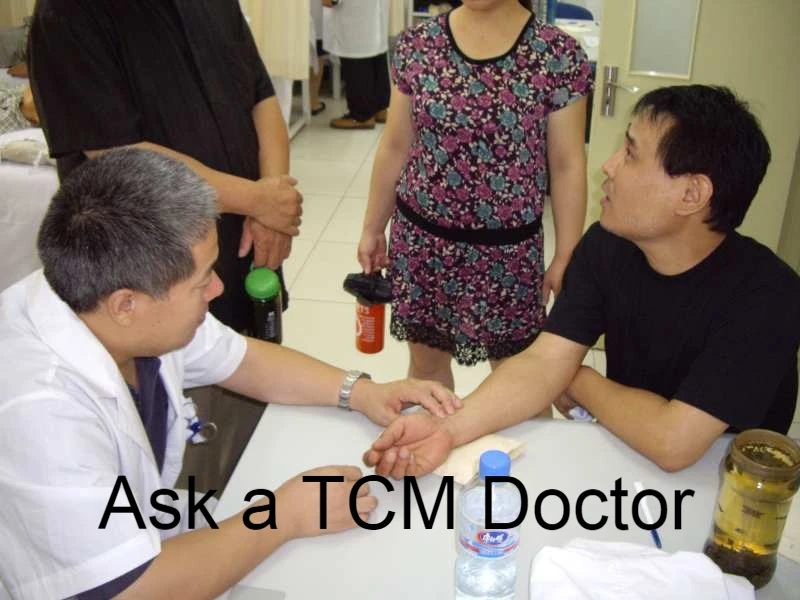

Dr. Tomasz Borecki is a specialist in Traditional Chinese Medicine (TCM) with over 25 years of experience. He was educated in China, where he developed his expertise in Eastern medicine. He actively promotes TCM in Poland and internationally. More information can be found in the “About Us” section.
What Makes a Migraine Different from a Regular Headache
Imagine this: your head is pounding on one side like a drum solo you didn’t sign up for. At the same time, your stomach feels uneasy, your eyes can’t handle light, and even quiet sounds feel like someone banging pots together. That’s not a simple headache — that’s a migraine in full swing.
Migraines are neurological events, not just localized pain. They affect how your brain processes signals, how your blood vessels behave, and even how your nervous system reacts to the world. It’s why you might feel nausea, dizziness, brain fog, or even emotional swings during an episode.
People often describe it as their brain “short-circuiting.” And honestly? That’s not far from reality.
Why It Feels So Intense
Research shows migraines involve hyperactivity in the brainstem and nervous system, which explains the overwhelming sensitivity and pain . Think of it like your brain’s volume knob getting stuck on maximum — everything becomes too loud, too bright, too much.
Types of Migraines You Should Know
Migraine With Aura
This one comes with a warning system. Before the pain hits, you might see flashing lights, zigzag lines, or blurred vision. Some people even feel tingling in their hands or face.
Migraine Without Aura
The most common type. No warning — just sudden, intense pain that shows up like an uninvited guest.
Chronic Migraine
If you’re dealing with migraines more than 15 days a month, that’s considered chronic. That’s not just disruptive — that’s life-altering.
Hormonal Migraine
Often tied to menstrual cycles, these migraines are closely linked to estrogen fluctuations — which explains why women are affected more frequently.
⚠️ IMPORTANT INSIGHT
Migraines are not random.
They are often your body’s way of saying:
“Something is out of balance — fix the system, not just the symptom.”
What Triggers a Migraine Attack
Lifestyle & Environmental Triggers
Stress is a big one. So is lack of sleep. Even weather changes — especially drops in atmospheric pressure — can trigger an episode. Yes, your brain can literally react to the weather like an overly sensitive barometer.
Also check out or guide: THE BETTER SLEEP & STRESS RELIEF GUIDE
Food & Hormonal Triggers
Some usual suspects:
- Chocolate (painful truth, I know)
- Aged cheese
- Red wine
- Artificial sweeteners
But here’s the twist — triggers are personal. What destroys one person might not affect another at all.
What Happens in the Brain During a Migraine
Scientists now link migraines to changes in blood flow, inflammation, and neurotransmitters like serotonin. There’s also evidence of microvascular differences in people with migraines, suggesting deeper neurological involvement .
In simple terms? Your brain becomes overly reactive — like a smoke alarm that goes off even when you make toast.
Real-Life Impact of Migraines
Let’s be honest — migraines don’t just hurt. They disrupt everything.
Work deadlines? Missed.
Family time? Cancelled.
Plans? Gone.
And yet, many people still hear: “It’s just a headache.”
That gap between experience and understanding is one of the biggest frustrations migraine sufferers face.
A Different Point of view – How TCM Understands Migraines
The Concept of Liver Wind & Qi Imbalance
In Traditional Chinese Medicine, migraines aren’t just pain — they’re a signal of internal imbalance.
Two key ideas:
- Qi (energy) isn’t flowing smoothly
- Liver Wind is rising (think internal turbulence)
It sounds poetic — but it actually aligns surprisingly well with modern ideas about nervous system dysregulation.
Acupressure for Migraines – Your Hands Can Do More Than You Think
If migraines feel like your brain is staging a full-on protest, acupressure can act like a gentle reset button — simple, natural, and always within reach. No equipment, no complicated routines — just a few minutes and your own touch. This method comes from Traditional Chinese Medicine and works by stimulating specific points on the body to help release tension and restore balance. Sounds simple? It is — but surprisingly effective when done regularly.
🔹 Tai Chong (LV3) – The Stress Release Point
Located on the top of your foot, in the space between your big toe and second toe, Tai Chong is often called the “pressure valve” of the body. When stress builds up — and let’s be honest, it always does — this point helps “let it out.” Press it firmly but comfortably for about a minute. You might feel a dull ache or sensitivity — that’s a sign you’ve found the right spot.
🔹 Nei Guan (PC6) – The Calm-Your-System Point
This point sits about three finger-widths below your wrist, on the inner forearm. Nei Guan is like your body’s multitool — it helps with nausea, emotional tension, and that uneasy feeling migraines often bring. Gentle pressure here can feel surprisingly soothing, especially when paired with slow, deep breathing.
🔹 Shen Men (HT7) – The Mind-Soothing Point
Right at the wrist crease on the pinky side, you’ll find Shen Men — known as the “gate of calm.” This is your go-to when migraines come with stress, anxiety, or mental overload. Pressing this point can help your whole system settle down, like dimming the lights in a noisy room.
💡 Quick Tip:
Press each point for 5 minutes, breathe slowly, and don’t rush it.
Your body responds best when you give it a moment to catch up.
It’s not about instant magic — it’s about giving your body a nudge in the right direction. And sometimes, that’s exactly what it needs.
A quick guide to help you understand this better: ACUPRESSURE PRACTICAL GUIDE
The Herbal Trio Explained – Nature’s Quiet Power for Migraine Balance
When it comes to traditional Chinese herbal support, this trio doesn’t scream for attention — it works quietly in the background, helping your system regain its rhythm. And honestly, that’s often exactly what a migraine-prone body needs.
Tian Ma (Gastrodia elata)
This one always surprises people. Tian Ma isn’t even a typical plant — it’s a fungus growing underground, hidden away in cool mountain soil. But don’t let that fool you. In traditional practice, it’s valued for its ability to gently calm an overactive nervous system, which is often at the core of migraine patterns.
People often describe feeling like their head is “buzzing” or overstimulated — and that’s where Tian Ma comes in. It’s traditionally used to ease dizziness, reduce that internal tension, and support smoother circulation in the head area. Think of it as turning down the volume in a room that’s been way too loud for too long.
Gou Teng (Uncaria)
If Tian Ma is the calm, Gou Teng is the soft brake pedal. Known for its naturally soothing qualities, it’s often used when stress and tension start building up in the body.
It’s believed to support relaxation of blood vessels and influence serotonin pathways, which are closely linked to mood and head discomfort. When your system feels tight, reactive, or overwhelmed, Gou Teng helps take the edge off. It’s especially useful when migraines seem tied to emotional stress or long, exhausting days.
👉 Together, Tian Ma and Gou Teng create a powerful duo — one calming the system, the other easing internal pressure.
Tian Ma Gou Teng – The Nervous System’s Best Friend
👉 [See on Amazon –Here or Here)
👉 [Check out Arcane herb shop (herbal products are handcrafted)–Brain Clear Herbal Tea–Here
👉 [Check on Walmart –Here
Ju Hua (Chrysanthemum)
At first glance, Ju Hua looks like a simple, delicate flower — something you’d expect in a teacup on a quiet afternoon. But behind that gentle appearance is a surprisingly supportive ally.
It’s naturally rich in antioxidants and traditionally used to support eye comfort, especially after long hours in front of screens. If your migraines come with eye strain or that heavy, tired feeling behind the eyes, Ju Hua can feel like a breath of fresh air. It’s also known for helping to “cool” internal stress patterns, which often build up silently over time.
Ju Hua-It’s especially valued for its ability to “clear Liver heat” and support eye health. In TCM, strained eyes, irritability, and headaches are often linked to an overactive Liver system.
👉 [See on Amazon – Here]
👉 [Check out Arcane herb shop (herbal products are handcrafted)]
👉 [Check on Walmart – Here]
Jia Wei Xiao Yao Wan
And then there’s the famous blend — often called the “herbal mood balancer.” Jia Wei Xiao Yao Wan isn’t just about the head; it’s about the whole emotional and physical landscape.
This formula is traditionally used to support emotional stability, ease tension, and help the body handle hormonal fluctuations more smoothly. That’s why it’s often chosen for people dealing with stress-linked or cycle-related migraines.
👉 In one study, over 70% of participants reported noticeable improvement within four weeks, which says a lot about its gentle but consistent action.
Jia Wei Xiao Yao Wan
An emotional & digestive support champion. It helps release stress, ease bloating, migraines
👉 [See on Amazon]
👉 [Check on eBay]
👉 [Check out Arcane herb shop (herbal products are handcrafted)]
None of these herbs work like a quick fix — and that’s actually their strength. They’re not about forcing change, but about helping your body find its natural balance again. And sometimes, that’s where real relief begins.
EXPERIENCE FROM CHINA
During time spent in clinics in China, one thing stood out immediately — patients were not treated as “headaches,” but as whole systems.
A woman came in with recurring migraines. Instead of focusing only on pain, the practitioner asked about:
- Sleep
- Digestion
- Stress
- Emotional patterns
Within weeks of adjusting herbs, tea, and daily habits — her episodes became less frequent and less intense.
No magic. Just system balance.
Case Studies from Practice – Real Stories, Real Shifts
Sometimes the theory sounds great, but what really matters is this: does it actually help in real life? Over the years, I’ve seen many different migraine patterns — and no two are ever exactly the same. That’s the key idea in Traditional Chinese Medicine: you don’t treat the label, you look at the person behind it. Here are two simple but telling examples that show how small, consistent changes can shift a lot.
🧑💻 Case 1 – “The Overworked Designer”
A 29-year-old graphic designer came in with a very modern problem — long hours in front of a screen, late nights, and almost no real rest. Sound familiar? Her migraines showed up mostly in the afternoon, often starting behind the eyes and spreading to one side of the head. Along with that, she complained about eye strain, irritability, and that “wired but tired” feeling.
Instead of overcomplicating things, we kept it simple and realistic:
- Ju Hua tea daily — to support eye comfort and help “cool down” internal tension
- Reduced screen time in the evening — even just by an hour
- Light herbal support — tailored gently, not aggressively
👉 After about three weeks, she noticed something important: the migraines didn’t disappear overnight, but they became less intense and less frequent. Her eyes felt less tired, and her mood stabilized. That’s often how progress looks — not dramatic, but steady and real.
Case 2 – “The Monthly Migraine Cycle”
The second case was a 35-year-old woman whose migraines followed a clear pattern — they showed up almost like clockwork before her menstrual cycle. Along with the head discomfort, she experienced tension, mood swings, and a feeling of internal pressure building up each month.
Here, the focus was on supporting overall balance rather than chasing symptoms:
- Jia Wei Xiao Yao Wan — to help regulate emotional and hormonal rhythms
- Simple stress management techniques — nothing fancy, just consistency
- Warm, regular meals — avoiding cold, rushed eating habits
👉 Over time, her cycle became more predictable and noticeably smoother, and the migraines lost their intensity. They didn’t control her schedule anymore — and that alone made a huge difference in her daily life.
💡 Takeaway:
Small, consistent changes often work better than extreme, short-term fixes.
Your body responds to rhythm — not pressure.
These stories aren’t about miracles. They’re about understanding patterns, making adjustments, and giving the body space to respond. And that’s where real change begins.
Modern Science Meets Ancient Herbs
Research shows migraine is linked to:
- Inflammation
- Vascular changes
- Nervous system sensitivity
Interestingly, many TCM herbs:
- Support circulation
- Help regulate neurotransmitters
- Reduce internal “overactivity”
👉 Science is slowly catching up with tradition.
Scientific Evidence – TCM & Migraines (PubMed Source)
If you want something solid and science-backed (not just tradition or stories), here’s a reliable PubMed study you can reference:
👉 Read the full PubMed study on TCM and migraines
What this research actually shows (in plain language):
This 2024 scientific review analyzed how Traditional Chinese Medicine approaches like acupuncture, herbal formulas, and massage influence migraines. And the interesting part? It connects ancient ideas with modern biology.
Researchers found that TCM methods may:
- Reduce inflammation in the brain — one of the key drivers behind migraine attacks
- Regulate neurotransmitters (like serotonin), which affect pain and mood
- Calm down an overreactive nervous system — exactly what many migraine sufferers experience
- Improve blood flow and brain function patterns
- Support hormonal balance, which is especially relevant for cycle-related migraines
👉 In short: TCM doesn’t just “mask” discomfort — it interacts with multiple systems at once, which is why many people feel broader changes, not just in the head.
Daily Routine for Balance
Simple, realistic approach:
- Morning → Ju Hua tea
- Afternoon → Herbal support
- Evening → calming routine (less screen, more rest)
Foods That Help (and Hurt)
| Avoid | Add More |
|---|---|
| Chocolate | Leafy greens |
| Red wine | Omega-3 fish |
| Aged cheese | Ginger |
| Artificial sweeteners | Nuts & seeds |
👉 QUICK REMINDER
Your body is not broken.
It’s communicating.
You just need to learn its language.
Conclusion
Migraines are intense, complex, and deeply personal. But they’re not random chaos. They often reflect patterns — stress, imbalance, overload.
Traditional Chinese Medicine offers a different perspective: instead of fighting symptoms, it looks at the whole system. And sometimes, that shift in thinking makes all the difference.
If you’ve been stuck in the cycle of temporary fixes, maybe it’s time to explore something deeper.
👉 And if this kind of content speaks to you — consider joining the newsletter below. More insights, practical tips, and real-world strategies are shared there regularly.
FAQs – Quick Answers That Actually Make Sense
1. Are TCM herbs safe?
Yes — when chosen properly, they are generally well-tolerated and designed to work in harmony with your body rather than against it.
2. Do these herbs work instantly?
Not really — they work more like building a foundation, meaning the effects develop gradually as your system starts to rebalance over time.
3. Can diet really affect migraines?
Absolutely — for many people, food is a major trigger or support factor, so small dietary shifts can sometimes make a surprisingly big difference.
4. Are migraines genetic?
They can be — but genes are only part of the story, because lifestyle, stress, sleep, and environment often play an equally important role.
5. Can migraines be fully eliminated?
Not always — but with the right approach, many people can reduce their frequency and intensity enough to regain control of daily life.
Must-Read Books
One informative resource is: “Acupressure’s Potent Points: A Guide to Self-Care for Common Ailments”
👉 [See this book on Amazon paperback][Kindle]
“Treating Emotional Trauma with Chinese Medicine: Integrated Diagnostic and Treatment Strategies”
👉 [See this book on Amazon Paperback][Kindle]
and: “The Acupressure Bible: The Complete Self-Treatment Guide to Relieve Pain, Reduce Anxiety & Restore Energy — Your Natural Healing Companion for the Demands of Modern Life’“
👉 [Check the price on Amazon paperback][Kindle]
Acupressure Pen-Helps you apply the perfect amount of pressure with minimal effort to get a deep trigger point massage
👉 [See this book on Amazon ]
6.Where can I buy it?
If you’re looking for authentic, practitioner-recommended, high-quality Traditional Chinese Medicine (TCM) formulas — available globally — we recommend the following herbal products. These time-tested formulas are crafted with the finest ingredients and are widely used to support emotional balance, digestion, energy, and overall wellness.
FYI: This post contains affiliate links to herbs we’ve actually tried from reliable, certified sellers. If you buy through them, you’re supporting our blog. Thanks! 🙏
Top Recommended High-Quality Herbal Formulas:
- Tian Ma Gou Teng – The Nervous System’s Best Friend
👉 [See on Amazon –Here or Here)
👉 [Check out Arcane herb shop (herbal products are handcrafted)–Brain Clear Herbal Tea–Here
👉 [Check on Walmart –Here - Jia Wei Xiao Yao Wan
An emotional & digestive support champion. It helps release stress, ease bloating, migraines
👉 [See on Amazon]
👉 [Check on eBay]
👉 [Check out Arcane herb shop (herbal products are handcrafted)] - Ju Hua-It’s especially valued for its ability to “clear Liver heat” and support eye health. In TCM, strained eyes, irritability, and headaches are often linked to an overactive Liver system.
👉 [See on Amazon – Here]
👉 [Check out Arcane herb shop (herbal products are handcrafted)]
👉 [Check on Walmart – Here]
These formulas are based on ancient herbal wisdom and are used by TCM practitioners worldwide. Be sure to consult a professional for personalized advice.
🎁 Get 5% OFF with this code:
Use promo code TCMHEAL5 at checkout to receive an exclusive 5% discount—only at Arcana Herbs Shop.
At Arcane Herbs Shop in Chicago’s Chinatown, every formula is carefully prepared using traditional methods and natural ingredients. You can also browse and order our selections [here].
Want more tips? See how TCM can help you beat migraines the natural way! In the Ask a TCM Doctor Archive
Sharing the wisdom of Traditional Chinese Medicine is our passion and calling.
If these words resonate with you, and you’d like to help me keep creating, consider offering a symbolic cup of green tea or support through Ko-fi.
Your kindness nurtures this work — like qi flows through the meridians
You might find these articles :
THE BETTER SLEEP & STRESS RELIEF GUIDE
WHY YOU’RE ALWAYS TIRED – AND THE 2000-YEAR-OLD SECRET THAT CAN FIX IT
INSOMNIA ISN’T JUST IN YOUR HEAD – HERE’S THE TCM PERSPECTIVE
STRUGGLING WITH DEPRESSION? THIS ANCIENT REMEDY CAN HELP
Newsletter o zdrowiu z TCM
Wyrusz w podróż po mądrość Tradycyjnej Medycyny Chińskiej.
Dołącz do newslettera i co tydzień otrzymuj porady oraz nowe artykuły prosto na swoją skrzynkę.
Nie ma newslettera? Sprawdź Spam — czasem się tam ukrywa.
TCM Health Newsletter
Embark on a journey into the wisdom of Traditional Chinese Medicine.
Join the newsletter and receive weekly tips and new articles delivered straight to your inbox.
No newsletter? Check Spam — it sometimes hides there.