
Diabetes Care with TCM: 5 Natural and Effective Approaches
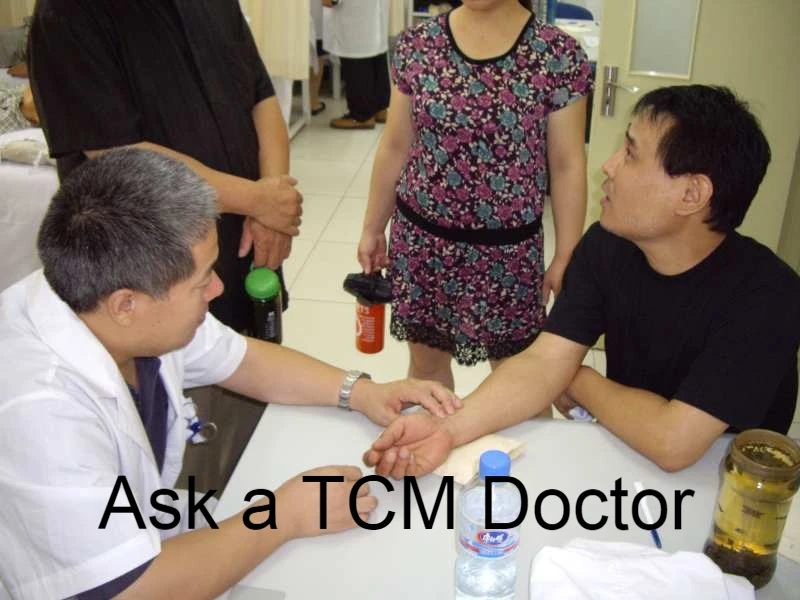

Dr. Tomasz Borecki is a specialist in Traditional Chinese Medicine (TCM) with over 25 years of experience. He was educated in China, where he developed his expertise in Eastern medicine. He actively promotes TCM in Poland and internationally. More information can be found in the “About Us” section.
Why TCM Doesn’t See “Diabetes” the Same Way
Diagnosis vs Pattern – A Fundamental Difference
Walk into a Traditional Chinese Medicine clinic and say, “I have diabetes,” and you might get a surprisingly calm response: “What pattern do you have?” That question alone can feel confusing. After all, you already have a diagnosis—so why complicate it?
Here’s the twist: in TCM, a diagnosis is just the beginning, not the answer.
Instead of focusing on a label, TCM practitioners try to understand what’s actually happening beneath the surface. Two people can have the same medical diagnosis but completely different internal imbalances. One may feel overheated and restless, another drained and cold. Treating them the same way wouldn’t make sense—and that’s exactly the point.
Think of it like this: conventional medicine often looks at a snapshot, while TCM watches the entire movie. It pays attention to sleep, digestion, emotions, energy levels, and even subtle changes in how your body reacts to stress.
That broader perspective is what makes TCM feel so different—and for many people, surprisingly personal.
Seeing the Whole Body, Not Just Blood Sugar
In modern healthcare, diabetes is often reduced to numbers—glucose levels, insulin response, lab results. Those things matter, of course. But TCM asks a deeper question: Why did the imbalance happen in the first place?
Instead of zooming in on a single marker, it zooms out.
It looks at patterns: Are you constantly thirsty? Do you feel overheated at night? Is your digestion sluggish? Are you stressed all the time? These details build a bigger picture.
Interestingly, modern research is starting to recognize this multi-layered approach. Studies suggest that TCM works through multiple pathways at once, influencing metabolism, inflammation, and insulin sensitivity simultaneously .
That’s not magic—it’s systems thinking.
What Is Xiao Ke? The Ancient Concept Behind Modern Diabetes
A Poetic Name With a Practical Meaning
In TCM, diabetes-like conditions fall under a term called Xiao Ke, often translated as “wasting-thirst.”
It sounds poetic, almost like something from an old scroll—and in a way, it is. The term dates back over 2,000 years, first described in classical Chinese texts .
But behind that poetic name is a very real observation.
People with Xiao Ke were described as:
- constantly thirsty
- losing weight despite eating
- feeling internally “dry”
It’s not hard to see the connection to modern diabetes.
The imagery used in TCM is powerful. Imagine a plant that looks fine on the outside but is slowly drying from within. That’s how many practitioners describe the internal state of someone with this pattern.
How Xiao Ke Connects to Modern Science
Here’s where things get interesting.
Modern science defines diabetes as a metabolic disorder involving insulin resistance or dysfunction. TCM, on the other hand, describes it as a progressive imbalance involving dryness, heat, and energy depletion.
Different language—but surprisingly similar observations.
Research shows that TCM approaches often aim to:
- improve insulin sensitivity
- regulate inflammation
- support metabolic balance
So while the frameworks differ, the direction overlaps more than you might expect.
Yin and Yang – The Core Imbalance
What Happens When Yin Drops
In TCM, everything comes back to balance—especially between Yin and Yang.
- Yin represents cooling, moisture, and substance
- Yang represents warmth, movement, and activity
Now imagine what happens when Yin starts to decline.
The body loses its internal “cooling system.” Fluids become depleted. And without that balance, Yang becomes relatively excessive.
That’s when the symptoms begin:
- dryness
- thirst
- restlessness
- heat sensations
It’s like running a machine without enough oil. The parts still move—but friction builds.
Why Internal Heat Becomes a Problem
When Yin is low, the body can feel like it’s overheating from the inside.
This “internal heat” isn’t about fever. It’s more subtle—and more persistent.
People often describe it as:
- feeling warm at night
- irritability
- restless sleep
It’s like a pot of water simmering constantly. Not boiling—but never fully calm either.
Over time, that internal heat can “dry out” the system even further, creating a cycle that feeds itself.
The Three Key Organs in TCM
Lungs – Fluid Regulation
In TCM, the lungs do more than help you breathe—they regulate body fluids.
When lung function is disrupted, dryness increases. That’s why excessive thirst is often linked to this system.
Spleen – Energy From Food
The spleen, in TCM terms, is your internal kitchen.
It transforms food into usable energy. When it’s weak:
- digestion slows
- energy drops
- heaviness appears
Even good nutrition doesn’t translate into real nourishment.
Kidneys – Life Essence
The kidneys store what TCM calls Jing, often described as your core vitality.
When this reserve weakens, deeper fatigue sets in. Recovery becomes harder. And the body feels like it’s running on empty.
5 Key TCM Patterns in People With Diabetes
Yin Deficiency
This is one of the most common patterns.
People often feel:
- thirsty
- dry
- overheated at night
It’s not just a metaphor—it’s a real internal experience. Many describe waking up at night feeling like their body is “too warm from the inside.”
Internal Heat Excess
Even without dryness, heat can build up.
Symptoms include:
- irritability
- tension
- feeling constantly “on edge”
Stress plays a huge role here.
Spleen Qi Weakness
This pattern shows up as:
- fatigue
- heaviness
- unstable energy
It’s like your internal engine is running—but inefficiently.
Liver Qi Stagnation
This one is strongly tied to emotions.
Signs include:
- frustration
- stress
- tightness in the body
Think of it as a traffic jam in your energy system.
Jing Deficiency
This is the deepest level.
It feels like:
- exhaustion
- lack of resilience
- “nothing left in the tank”
Usually, it develops over years—not overnight.
Lifestyle Triggers – The Hidden Drivers
Stress as a Silent Accelerator
Stress is one of the biggest disruptors in TCM.
It generates heat, blocks energy flow, and gradually drains internal reserves. It’s like leaving multiple apps running in the background of your phone—eventually, the battery drops faster than expected.
Also check out our guide: THE BETTER SLEEP & STRESS RELIEF GUIDE
Sedentary Living and Energy Blockage
Movement keeps Qi flowing.
Without it, stagnation builds. And when energy doesn’t move, imbalance follows.
Herbal Formulas in TCM for Diabetes Support
In Traditional Chinese Medicine (TCM), diabetes is often seen not just as a blood sugar issue, but as an imbalance in the body—especially involving dryness, internal heat, and energy flow. That’s why herbal formulas are chosen based on patterns, not just symptoms.
Zhi Bai Di Huang Wan
This formula is often used when the body feels “overheated and dried out” from the inside—a pattern commonly linked with long-term blood sugar imbalance. Think of it like adding moisture and cooling things down internally. People who use it often describe:
- sleeping more deeply
- feeling less restless or irritable
- a calmer, more grounded state
It’s not a quick fix, but more like slowly helping your body return to balance.
Zhi bai di huang wan or Pancreas Ease Herbal Tea
Has a cooling, soothing effect—internal heat
👉 [Check out Arcane herb shop (herbal products are handcrafted)]
Liu Wei Di Huang Wan
This is the “foundation” formula that many others are built on. It’s commonly used when the body feels depleted—low energy, dryness, maybe frequent thirst (which can show up in diabetes patterns). In simple terms, it works like nourishment for your internal “battery.”
People often say it helps them feel:
- more stable energy throughout the day
- less dryness (skin, mouth, throat)
- generally more balanced overall
Liu wei di huang wan
👉 [See on Amazon]
👉 [Check on IHerb]
👉 [Check out Arcane herb shop (herbal products are handcrafted)]
Jia Wei Xiao Yao Wan
Now this one comes into play when stress is a big factor—which, let’s be honest, it often is. In TCM, emotional tension can “block” the body’s natural flow, making blood sugar harder to regulate.
This formula is known for helping to “loosen things up” internally. Users often report:
- reduced stress and emotional swings
- a lighter, more relaxed feeling
- better overall mood
Jia Wei Xiao Yao Wan
An emotional & digestive support champion. It helps release stress, ease bloating, PCOS
👉 [See on Amazon]
👉 [Check on eBay]
👉 [Check out Arcane herb shop (herbal products are handcrafted)]
The key idea? These formulas don’t target diabetes directly—they support the body systems that influence it. And when the body is more balanced, blood sugar often becomes easier to manage too.
Food as Daily Support – Why Pumpkin Matters in Diabetes
In Traditional Chinese Medicine (TCM), food isn’t just something you eat—it’s something that actively supports your body’s balance every single day. When it comes to managing diabetes, that idea becomes especially powerful.
Pumpkin is one of those simple, underrated foods that TCM often recommends. Why? Because it works gently, without stressing the body.
It naturally:
- supports digestion (which in TCM is key to stable energy and blood sugar)
- is easy on the stomach, even if your system feels weak or sensitive
- provides steady, nourishing energy instead of spikes and crashes
In everyday terms, pumpkin acts like “comfort food” for your internal system—but without the downside. It helps your body process nutrients more smoothly, which can translate into more stable blood sugar levels over time.
Simple TCM-Inspired Pumpkin Recipe for Blood Sugar Support
Stewed Pumpkin with Cinnamon & Ginger
This is an easy, warming dish you can use as a daily support meal.
Ingredients:
- 1–2 cups fresh pumpkin (cut into cubes)
- half small piece of fresh ginger (sliced)
- 1/2 teaspoon cinnamon
- 1–2 cups water
- Optional: a pinch of salt or a few goji berries
Instructions:
- Add pumpkin, ginger, and water to a pot.
- Simmer on low heat for about 15–20 minutes until soft.
- Add cinnamon at the end and stir gently.
How it helps (in simple terms):
- Pumpkin supports digestion and steady energy
- Ginger gently warms and improves circulation
- Cinnamon is often linked to better blood sugar balance
Eat it warm, preferably in the morning or early afternoon. It’s light, calming, and helps your body “start stable” rather than chasing energy spikes later.
The key idea here isn’t a miracle cure—it’s consistency. Small, supportive foods like this, eaten regularly, can make a real difference in how your body handles blood sugar day to day.
Acupressure – Small Actions, Big Impact in Diabetes Support
In Traditional Chinese Medicine (TCM), acupressure is a simple but powerful way to support the body’s natural balance—and that includes how your body handles blood sugar.
Instead of targeting glucose directly, acupressure helps regulate the systems behind it: stress, digestion, energy levels, and internal balance. Just a few minutes a day can gently shift how your body responds over time.
Three Essential Points Explained
Tai Chong (LR3) – for stress and tension
This point is located on the top of your foot, between the first and second toes. In TCM, it’s strongly connected to emotional flow.
Why it matters for diabetes:
Stress is one of the biggest hidden triggers of blood sugar spikes. When you regularly stimulate Tai Chong, it can help “release pressure” in your system.
People often notice:
- less irritability and tension
- a calmer response to stress
- fewer stress-related sugar fluctuations
Tai Xi (KI3) – for deeper energy and balance
Found near the inner ankle, this point is linked to your body’s core reserves—what TCM calls “Kidney energy.”
Why it matters for diabetes:
Chronic blood sugar issues can drain the body over time. Tai Xi helps support long-term stability and internal strength.
With regular use, people report:
- more consistent energy levels
- less fatigue and burnout
- a stronger, more stable baseline
San Yin Jiao (SP6) – for digestion and metabolism
Located a few fingers above the inner ankle, this is a key point that connects multiple systems—especially digestion.
Why it matters for diabetes:
In TCM, stable blood sugar starts with proper digestion and nutrient processing. SP6 helps your body “use” food more efficiently instead of creating spikes.
Common effects include:
- improved digestion
- reduced cravings and swings
- more balanced energy after meals
How to Use (Simple Routine)
Press each point gently but firmly for 5-10 minutes per side, once or twice daily. Breathe slowly while doing it—this enhances the effect.
The key idea is consistency, not intensity. These small daily actions won’t replace medical treatment, but they can quietly support your body in becoming more stable, less reactive, and better at managing blood sugar over time.
A quick guide to help you understand this better: ACUPRESSURE PRACTICAL GUIDE
Real-Life Cases From Practice –
In practice, patterns become stories.
When it comes to diabetes, no two people present the same way—even if the diagnosis sounds identical on paper. In TCM, what matters is how the imbalance shows up in your daily life.
One person may come in after years of chronic stress, with rising blood sugar, poor sleep, and a constant feeling of internal “dryness”—dry mouth, thirst, restlessness. In this kind of pattern, something like Zhi Bai Di Huang Wan and Jia wei xiao yao wan is often used to gently cool the system and restore fluids. Over time, they may notice deeper sleep, less inner heat, and more stable energy—which can support better blood sugar control indirectly.
Another person may not feel “dry” at all—but instead tight, tense, and overwhelmed. Their blood sugar tends to spike during stressful periods, and digestion feels off. In these cases, daily habits matter just as much as formulas. Something simple like Pancreas Ease Herbal Tea can be introduced as a gentle, supportive routine—helping the body process food more smoothly and reducing that heavy, sluggish feeling after meals.
There are also people who feel constantly drained—low energy, frequent cravings, and unstable sugar levels throughout the day. Their system isn’t overheated or tense—it’s simply depleted. For them, the focus is on rebuilding strength slowly, not forcing quick results.
The common thread?
Imbalance doesn’t appear overnight—and it doesn’t disappear instantly either.
TCM works more like a process than a quick fix. Small shifts—better sleep, calmer digestion, less stress—start to add up. And over time, those changes can make managing diabetes feel less like a daily battle and more like something your body is gradually learning to handle again.
What Modern Research Says About TCM and Diabetes
Globally, diabetes is affecting over 537 million adults, with numbers expected to rise significantly in the coming years .
Research also suggests that TCM approaches:
- support metabolic regulation
- influence insulin pathways
- act on multiple biological targets simultaneously
Some studies even show reduced progression from prediabetes when TCM methods are included .
Practical TCM Tips for People With Diabetes
Here are five grounded, everyday suggestions inspired by TCM thinking:
- Slow down your pace – constant rush drains internal balance
- Eat warm, simple meals – support digestion instead of overwhelming it
- Move daily – even a short walk helps Qi flow
- Create evening calm – reduce internal heat before sleep
- Listen to your body signals – they often speak before problems grow
Conclusion
The biggest shift TCM offers isn’t a technique—it’s a perspective.
Instead of asking, “What disease do I have?” it asks, “What pattern is my body showing?”
That small change flips everything.
Because when you stop looking at the label and start listening to the system, you realize something important:
Your body isn’t broken.
It’s communicating.
And maybe—just maybe—it’s been trying to tell you the answer for a long time.
FAQs
1. Is TCM safe to explore alongside modern care?
Yes, when guided by a qualified practitioner, it can complement a broader approach.
2. Does diet really matter that much?
Absolutely. In TCM, food is one of the main daily tools for maintaining balance.
3. Can stress really affect blood sugar?
Yes. Stress can influence metabolic processes and internal balance.
4. How quickly can changes be noticed?
It varies. Some feel shifts in weeks, others need longer depending on lifestyle.
5. Is TCM only about herbs?
Not at all. It includes diet, movement, acupressure, and lifestyle awareness.
👉 If this article spoke to you — sign up for the newsletter below for weekly TCM wisdom and rituals you can start today.
Must-Read Books
One informative resource is: “Acupressure’s Potent Points: A Guide to Self-Care for Common Ailments”
👉 [See this book on Amazon paperback][Kindle]
“Treating Emotional Trauma with Chinese Medicine: Integrated Diagnostic and Treatment Strategies”
👉 [See this book on Amazon Paperback][Kindle]
and: “The Acupressure Bible: The Complete Self-Treatment Guide to Relieve Pain, Reduce Anxiety & Restore Energy — Your Natural Healing Companion for the Demands of Modern Life’“
👉 [Check the price on Amazon paperback][Kindle]
Acupressure Pen-Helps you apply the perfect amount of pressure with minimal effort to get a deep trigger point massage
👉 [See this book on Amazon ]
Authentic Traditional Chinese Medicine (TCM) Herbal Formulas
If you’re looking for high-quality, practitioner-recommended TCM formulas — available globally — consider the following options. These time-tested products are crafted with care and widely used to support emotional balance, digestion, energy, and overall wellness.
Note: This post contains affiliate links to products we’ve actually tried from reliable, certified sellers. Supporting these links helps maintain our blog. Thank you! 🙏
Top Herbal Formulas
Zhi bai di huang wan or Pancreas Ease Herbal Tea
Has a cooling, soothing effect—internal heat
👉 [Check out Arcane herb shop (herbal products are handcrafted)]
Jia Wei Xiao Yao Wan
An emotional & digestive support champion. It helps release stress, ease bloating, PCOS
👉 [See on Amazon]
👉 [Check on eBay]
👉 [Check out Arcane herb shop (herbal products are handcrafted)]
Also check out or guide: THE BETTER SLEEP & STRESS RELIEF GUIDE
Liu wei di huang wan
👉 [See on Amazon]
👉 [Check on IHerb]
👉 [Check out Arcane herb shop (herbal products are handcrafted)]
Ju hua
Relax tired eyes, ease mental tension, and help your mind drift toward a calm, quiet state.
👉 [See on Amazon]
👉 [Check on eBay]
👉 [Check out Arcane herb shop (herbal products are handcrafted)]
Suan zao ren wan
Support emotional calm, encourage deeper rest, and help the mind settle
👉 [See on Amazon]
👉 [Check on eBay]
👉 [Check out Arcane herb shop (herbal products are handcrafted)]
These formulas are based on ancient herbal wisdom and used worldwide by TCM practitioners. Be sure to consult a professional for personalized advice.
🎁 Get 5% OFF with this code!
Use promo code TCMHEAL5 at checkout to enjoy an exclusive 5% discount—available only at Arcane Herbs Shop.
At Arcane Herbs Shop in Chicago’s Chinatown, every formula is carefully prepared using traditional methods and natural ingredients. You can also browse and order our selections [here].