The Acupressure Routine for Winter and Spring Energy
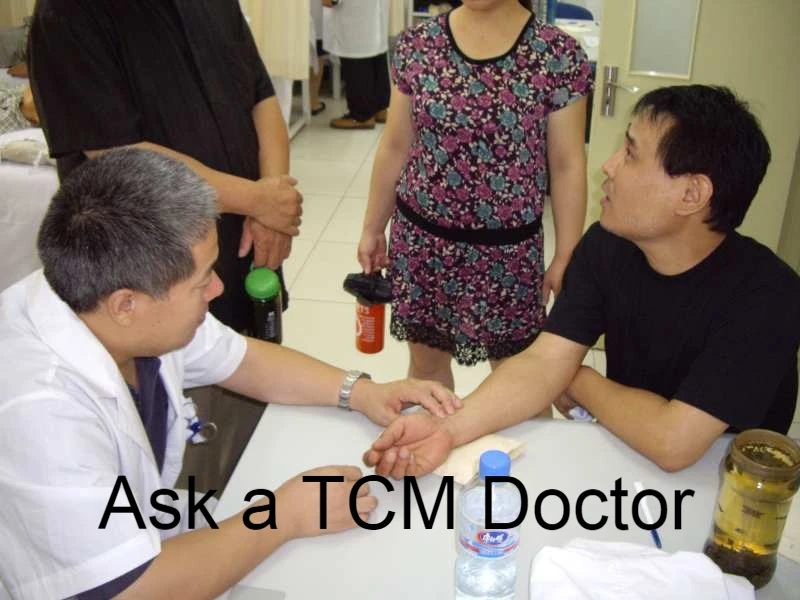

Dr. Tomasz Borecki is a specialist in Traditional Chinese Medicine (TCM) with over 25 years of experience. He was educated in China, where he developed his expertise in Eastern medicine. He actively promotes TCM in Poland and internationally. More information can be found in the “About Us” section.
Why Winter and Spring Drain Your Energy According to Traditional Chinese Medicine
If I had to name one question I hear most often between January and April, it would be this:
“Why do I feel like my body can’t keep up with the weather—and why am I constantly low on energy?”
From the perspective of Traditional Chinese Medicine (TCM), the answer is surprisingly clear. Simple, yes—but far from shallow.
The reason has a lot to do with how your body responds to seasonal change.
Winter is a time when nature slows down. Trees conserve energy, animals hibernate, and according to TCM, our bodies are meant to do something similar. Yet most of us do the exact opposite. We push through packed schedules, spend long hours under artificial light, sleep less than we should, and expect ourselves to perform at full speed.
By the time spring arrives, many people assume they’ll suddenly feel refreshed and energized. But that’s not always what happens. In TCM, spring is associated with movement, growth, and expansion. It’s the season when your body’s energy starts rising again after months of being stored deeper inside. If your reserves were already running low during winter, this transition can feel surprisingly exhausting.
That’s why so many people describe feeling tired, irritable, unmotivated, or mentally foggy just when the weather is getting better.
One of the most valuable things TCM teaches is that fatigue isn’t always a sign that something is wrong. Sometimes it’s simply information. Your body may be telling you that it needs support, nourishment, and a chance to adjust to the new season instead of being forced to keep up with expectations that don’t match what it’s experiencing internally.
“Why Do I Feel Out of Sync With the Weather?”
Many people blame work, age, or lack of motivation. But TCM looks somewhere else entirely: at seasonal transitions. Not winter itself. Not spring itself. The shift between them.
These transitions demand flexibility. And flexibility costs energy.
The TCM Perspective – Simple, But Not Simplistic
In TCM, the body is not a machine running at a constant speed. It’s more like a landscape that changes with the seasons. Rivers slow down. Ice forms. Then suddenly everything starts moving again.
When that movement comes too fast, the body may lag behind.
Qi and Wei Qi – The Body’s Inner Economy
Qi can be thought of as usable energy—the fuel for daily function. Wei Qi is more about adaptation. It’s what helps the body respond to external changes like temperature, wind, and humidity.
When seasons shift quickly, Wei Qi has to change gears. And that’s often where people feel “off.”
Winter Stores, Spring Spends
Winter is a time of storage. Energy moves inward. Processes slow down. Think of it as filling a savings account.
Spring, on the other hand, is a loud alarm clock shouting: “Time to move!”
If winter reserves are low, spring feels like trying to start a car with an empty tank.
Cold, Wind, and Dampness – Not Just Metaphors
In TCM language, Cold, Wind, and Dampness describe how the body reacts to environmental stress.
Cold stiffens.
Wind disrupts.
Dampness weighs things down.
Anyone who has felt heavy, sluggish, tense, or unusually sensitive to drafts knows exactly what this feels like—even without the terminology.
“Don’t Fight the Wind” – Lessons From China
During my studies in China, one sentence stayed with me:
“Don’t fight the Wind. Teach the body how to tune into it.”
It’s not about resisting change. It’s about adapting smoothly.
Acupressure in TCM – Practical and Accessible
Acupressure works on the same points as acupuncture, but instead of needles, you use your fingers.
Think of it like learning to ride a bike with training wheels. Safe, simple, and surprisingly effective for everyday use.
Why Points Are Seasonal
In TCM, not every point is for every moment. Seasons decide which doors to open—and which to leave closed.
Spring focuses on movement. Winter supports depth and storage. Using the right point at the wrong time is like opening windows during a storm.
Three Core Acupressure Points for Seasonal Support
Zu San Li (ST36) – The Foundation
If I had to choose just one acupuncture point to work with every day, this would be it. Zu San Li, also known as ST36, is often called The Foundation—and for good reason. In traditional Eastern practices, it’s associated with building strength, resilience, and steady energy over time.
Finding it is simple. Sit comfortably and look at your knee. Measure about four finger-widths below the kneecap, then move one finger-width to the outside of the shinbone. You’ll usually feel a slightly tender or “alive” spot—that’s it.
Working with Zu San Li doesn’t require any special tools or advanced knowledge. Use firm but gentle pressure with your thumb or knuckle. The sensation should feel strong but pleasant, never sharp or painful. Massage in small circles or hold steady pressure for about five minutes on each side. Morning is the best time, especially if you want to start the day feeling grounded.
Seasonally, this point is especially helpful. In winter, Zu San Li supports vitality when energy is naturally lower. It’s often used to help with fatigue, cold sensitivity, and sluggish digestion. In spring, it helps the body transition—supporting renewal, movement, and fresh energy as everything begins to wake up again.
Many people make this point part of a daily ritual—quiet, simple, and surprisingly powerful. If you want to see exactly how to massage it, check out our step-by-step video on our YouTube channel HERE
In practice, ST36 is often the starting point for people who feel “empty.” After a few weeks, many say:
“I don’t know what changed—but my day feels more stable.”
Guan Yuan (CV4) – The Energy Reserve
Guan Yuan, also known as CV4, is often called The Energy Reserve. It’s one of those points that doesn’t shout for attention, but quietly does its work in the background. If Zu San Li is about daily strength, Guan Yuan is about deep reserves—the kind you draw on when you’re tired, overstimulated, or simply need to come back to yourself.
Finding this point is easy. Place four finger-widths below the navel, right on the body’s midline. There’s no need to press hard here. This area responds best to softness and warmth.
Before you begin, warm your hands by rubbing them together. Then place one or both hands over the point and use gentle, slow circular movements. Breathe naturally. This is not a point to rush. A few minutes is often enough to feel a sense of settling or calm. Evening is the perfect time to work with Guan Yuan—after a long day, before sleep, or whenever you want to slow things down.
This point is all about grounding. One patient once described the sensation perfectly: “It feels like plugging the phone back into the charger.” That quiet recharge, without effort or force.
Many people use Guan Yuan as part of an evening ritual—before bed, during meditation, or simply while lying down and resting. If you’d like to see exactly how to massage this point, you can find a clear, step-by-step demonstration on our YouTube channel HERE
Tai Chong (LV3) – Letting Qi Move
Tai Chong, also known as LV3, is one of the most important points for helping energy move when it feels stuck. It’s located on the top of the foot, in the space between the first and second metatarsal bones. Slide your finger up from the space between the big toe and second toe until you feel a slight hollow or tender spot—that’s Tai Chong.
This point is especially useful when tension builds up, both physically and emotionally. Tight shoulders, a clenched jaw, irritability, restlessness, or that feeling of being “blocked” are all classic signs that LV3 might need some attention. Working with it often brings a sense of relief and mental clarity.
Seasonally, Tai Chong has a special role. In winter, energy tends to contract and emotions can feel bottled up. Gently stimulating LV3 helps prevent stagnation from settling in too deeply. In spring, when the body wants to expand and move forward, this point supports smooth transitions, flexibility, and emotional balance. It’s an excellent ally for frustration, impatience, or that edgy springtime feeling of wanting change but not knowing where to start.
Clinically, LV3 is often described as opening a window in a stuffy room. Suddenly, things breathe again—inside the body and the mind.
Use steady, comfortable pressure with your thumb, massaging in small circles for two to three minutes on each foot. Breathe slowly and let the tension soften. To learn proper massage techniques, check out our step-by-step video on YouTube HERE
A Quick guide to help you understand this better: ACUPRESSURE PRACTICAL GUIDE
Herbal Wisdom for Transitional Seasons
Traditional Chinese Medicine has long relied on plants to help the body adapt during seasonal changes. These in-between times—especially the shift from winter to spring—can feel subtle, yet they often place extra demands on our energy, immunity, and emotional balance. Herbs are used not to force change, but to support the body as it adjusts.
Huang Qi (Astragalus) is traditionally known for strengthening Qi and supporting the body’s defenses. In winter, it’s often used to help maintain vitality, warmth, and resilience when energy tends to run low. In early spring, Huang Qi continues to be valuable, gently supporting the body as it wakes up and regains momentum. Its action is steady and reliable—often described as a quiet backup system working in the background.
Huang qi ( Astragalus)
Energizing, balancing, immune-supporting, gentle
👉 [See on Amazon]
👉 [Check on IHerb]
👉 [Check out Acana herb shop (herbal products are handcrafted)]
Jiao Gu Lan, sometimes called the “herb of longevity,” is associated with balance and adaptability. During winter, it helps the body cope with stress and conserve energy. In spring, it supports flexibility—both physical and emotional—making it easier to adjust to longer days, increased activity, and changing routines.
Jiao gu lan
Calming, revitalizing, subtle, restorative
👉 [See on Amazon]
👉 [Check on IHerb]
Spring Boost with Gou Qi Zi: Wake Your Body Up Naturally
After a long, grey winter, it’s normal to feel low on energy. That heavy, sluggish feeling doesn’t disappear overnight—but this is where gou qi zi, also known as goji berries, can really help. These small, bright red berries have been used for ages to gently support the body and bring back vitality.
In spring, your system needs a reset. Goji berries are packed with antioxidants that help your body recover after colder months and strengthen your natural defenses. Instead of reaching for another coffee, try something that works with your body, not against it.
They’re also incredibly easy to include in your day. Add a handful to oatmeal, tea, yogurt, or just snack on them as they are. Sweet, slightly tart, and surprisingly satisfying.
If you want to feel lighter, fresher, and more energized this spring, gou qi zi is a simple habit worth trying.
Gou qi zi
Nourishing, antioxidant-rich, mild, sustaining.
👉 [See on Amazon]
👉 [Check on IHerb]
👉 [Check out Acana herb shop (herbal products are handcrafted)]
In China, herbal teas made with these plants are part of everyday life. Drinking them is as normal as having coffee in Europe—simple, habitual, and deeply woven into daily rhythms. Used thoughtfully, herbs can become gentle companions through seasonal transitions, helping the body move from stillness into renewal with ease.
Food as Information
In TCM, food isn’t just fuel. It’s information.
Warm breakfasts. Simple soups. Cooked grains like millet. Vegetable broths that warm the body from the inside.
Even small changes—like swapping cold snacks for warm meals—can make a noticeable difference.
Check out our guide: COMPLETE TCM DIET GUIDE FOR BEGINNERS
Three Everyday TCM Habits for Winter and Spring
- Sleep in rhythm with daylight
- Start the day with warmth, not rush
- Limit raw foods when it’s cold outside
Simple? Yes. Powerful? Also yes.
Lessons From the Streets and Clinics of China
I once saw an elderly man in Hangzhou sitting on a small stool, massaging ST36 every morning.
When I asked why, he smiled and said:
“Because my legs should carry life—not the other way around.”
That sentence says more than many textbooks.
What Modern Research Observes
Interest in points like ST36 has grown in scientific literature, especially around balance, stress response, and the gut–brain connection. Ancient observations are slowly being revisited through modern lenses.
Study Summary
A recent systematic review and meta-analysis examined the effects of acupuncture (and moxibustion) on immune function in patients with malignant tumors. It found that acupuncture treatment was associated with higher levels of immune cells such as CD3⁺, CD4⁺, the CD4/CD8 ratio, and natural killer (NK) cells—markers often used to assess immune system activity—compared with control groups. PubMed
Link (PubMed):
https://pubmed.ncbi.nlm.nih.gov/40787472/ PubMed
What Comes Next
Seasonal awareness isn’t about perfection. It’s about listening.
When you move with the seasons instead of against them, energy stops leaking—and starts circulating.
Final Reflection
TCM sees the body as a map filled with hidden switches. When the right one is touched, something shifts—quietly, naturally.
As if someone long ago understood the user manual, and we’re only now learning how to read it again.
FAQs
1. How often can I use acupressure?
Daily, ideally at the same time each day.
2. Can I combine points?
Yes. ST36 and CV4 work especially well together.
3. When do people usually notice changes?
Often after two to three weeks of regular practice.
4. Is acupressure safe for daily use?
With gentle pressure and awareness, yes.
5. Does timing during the day matter?
Absolutely. TCM places great importance on daily rhythms.
Must-Read Books
One informative resource is: “Astragalus: Ancient Herb for Modern Times”
👉 [See this book on Amazon paperback][Kindle]
Another helpful resource is: “Jiaogulan – China’s ‘Immortality Herb’“
👉 [Check the price on Amazon paperback][Kindle]
and: “The Acupressure Bible: The Complete Self-Treatment Guide to Relieve Pain, Reduce Anxiety & Restore Energy — Your Natural Healing Companion for the Demands of Modern Life’“
👉 [Check the price on Amazon paperback][Kindle]
Authentic Traditional Chinese Medicine (TCM) Herbal Formulas
If you’re looking for high-quality, practitioner-recommended TCM formulas — available globally — consider the following options. These time-tested products are crafted with care and widely used to support emotional balance, digestion, energy, and overall wellness.
Note: This post contains affiliate links to products we’ve actually tried from reliable, certified sellers. Supporting these links helps maintain our blog. Thank you! 🙏
Top Herbal Formulas
Jia Wei Xiao Yao Wan
An emotional & digestive support champion. It helps release stress, ease bloating, PCOS
👉 [See on Amazon]
👉 [Check on eBay]
👉 [Check out Acana herb shop (herbal products are handcrafted)]
Learn what experts say about this topic: THE BETTER SLEEP & STRESS RELIEF GUIDE
Huang qi ( Astragalus)
Energizing, balancing, immune-supporting, gentle
👉 [See on Amazon]
👉 [Check on IHerb]
👉 [Check out Acana herb shop (herbal products are handcrafted)]
Jiao gu lan
Calming, revitalizing, subtle, restorative
👉 [See on Amazon]
👉 [Check on IHerb]
These formulas are based on ancient herbal wisdom and used worldwide by TCM practitioners. Be sure to consult a professional for personalized advice.
Gou qi zi
Nourishing, antioxidant-rich, mild, sustaining.
👉 [See on Amazon]
👉 [Check on IHerb]
👉 [Check out Acana herb shop (herbal products are handcrafted)]
🎁 Get 5% OFF with this code!
Use promo code TCMHEAL5 at checkout to enjoy an exclusive 5% discount—available only at Arcana Herbs Shop.
At Arcana Herbs Shop in Chicago’s Chinatown, every formula is carefully prepared using traditional methods and natural ingredients. You can also browse and order our selections [here].
Sharing the wisdom of Traditional Chinese Medicine is our passion and calling.
If these words resonate with you, and you’d like to help me keep creating, consider offering a symbolic cup of green tea or support through Ko-fi.
Your kindness nurtures this work — like qi flows through the meridians
These articles may interest you
COMPLETE TCM DIET GUIDE FOR BEGINNERS
PRACTICAL CHINESE MEDICINE TIPS FOR CELIAC PATIENTS
VARICOSE VEINS AND SPIDER VEINS – WHAT ARE THEY AND HOW TO TREAT THEM NATURALLY?
MONONUCLEOSIS RECOVERY: GENTLE WAYS TO RESTORE ENERGY WITH TCM
Newsletter o zdrowiu z TCM
Wyrusz w podróż po mądrość Tradycyjnej Medycyny Chińskiej.
Dołącz do newslettera i co tydzień otrzymuj porady oraz nowe artykuły prosto na swoją skrzynkę.
Nie ma newslettera? Sprawdź Spam — czasem się tam ukrywa.
TCM Health Newsletter
Embark on a journey into the wisdom of Traditional Chinese Medicine.
Join the newsletter and receive weekly tips and new articles delivered straight to your inbox.
No newsletter? Check Spam — it sometimes hides there.