Lyme Disease: The Cure Might Be Older Than You Think!

Dr. Tomasz Borecki is a specialist in Traditional Chinese Medicine (TCM) with over 25 years of experience. He was educated in China, where he developed his expertise in Eastern medicine. He actively promotes TCM in Poland and internationally. More information can be found in the “About Us” section.
Lyme Disease Recovery: How TCM Supports Healing Naturally
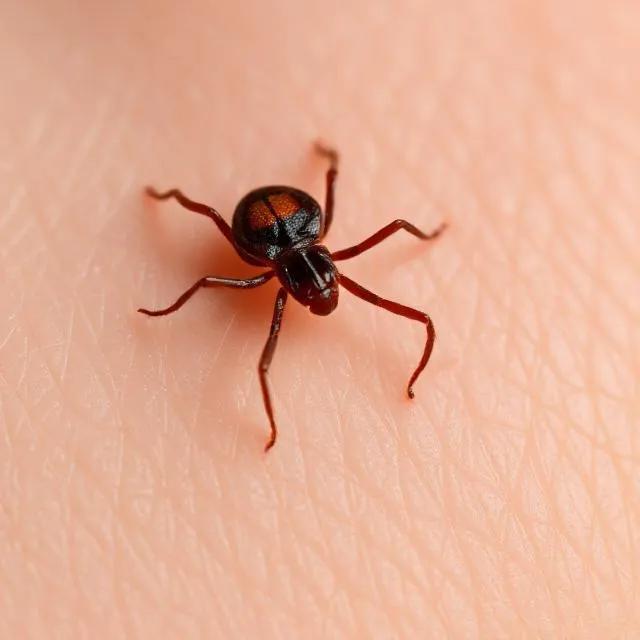
Lyme disease is no longer a rare diagnosis — it’s becoming a growing problem, especially in countries like Poland where mild, tick-friendly climates create the perfect environment for infection. And all it takes is one tiny bite.
At first, it might seem manageable. A rash. Flu-like symptoms. Maybe some fatigue. But for many people, it doesn’t end there. Weeks or months later, the real struggle begins: brain fog that makes simple tasks feel overwhelming, crushing fatigue that sleep doesn’t fix, migrating joint pain, heart palpitations, anxiety, strange neurological symptoms.
And here’s the frustrating part — even after antibiotics, some people still don’t feel like themselves.
Western medicine primarily targets the bacteria. And yes, antibiotics can be lifesaving and essential. But what happens when the infection is gone — and the symptoms remain? What happens when your labs look “fine,” but your body clearly isn’t?
This is where Traditional Chinese Medicine (TCM) offers a completely different perspective.
Instead of asking only, “How do we kill the pathogen?” TCM asks:
Why did the body become vulnerable?
What internal imbalance allowed this to take hold?
Why hasn’t the system fully recovered?
Rather than focusing on a single microbe, TCM looks at patterns — inflammation, stagnation, depleted energy, lingering “toxic heat,” weakened immunity. And seen through that perspective, treatment becomes more strategic and personalized.
In this article, we’ll break down:
• How TCM understands Lyme disease
• Why some symptoms linger long after antibiotics
• And two powerful herbal formulas that may help clear what’s stuck and rebuild what’s been drained
If you’re still searching for answers — or you feel like your recovery stalled halfway — keep reading. The missing piece might not be stronger medicine… but a smarter strategy.
1. First Things First: What Is Lyme Disease (aka Borelioza)?
Lyme disease is caused by the bacteria Borrelia burgdorferi, usually transmitted through a tick bite. It starts with a red bullseye rash (not always), but quickly turns into something deeper: fatigue, joint pain, brain fog, weird skin issues, even heart or nervous system problems. Left untreated, it can get nasty.
What makes Lyme disease especially tricky is how sneaky and unpredictable it can be. One day you might just feel a bit off—tired, maybe a headache, like you’re coming down with something—and the next, you’re dealing with symptoms that don’t quite add up.
Some people never even notice the tick bite, and not everyone gets that classic bullseye rash, which makes it even harder to catch early. As the bacteria spreads through the body, it can affect different systems in weird ways, so you might go from joint pain to brain fog to random nerve sensations without realizing it’s all connected. That’s why so many people feel frustrated or dismissed at first—it doesn’t always show up clearly in tests, and symptoms can come and go.
Over time, if it’s not properly addressed, it can start to wear you down both physically and mentally. You’re not just dealing with pain, but also confusion and exhaustion from trying to figure out what’s going on. That’s also why people start looking beyond standard treatments, searching for ways to support their body more holistically and regain a sense of control.
While antibiotics are usually the go-to, many people end up with lingering symptoms or relapses — which is exactly where TCM comes in.
2. How Chinese Medicine (TCM) Sees Lyme Disease
Here’s the wild part: TCM doesn’t obsess over bacteria.
Instead, it looks at Lyme as an imbalance in your body’s energy system (Qi), caused by “external evil” factors — like cold and dampness entering the body (ticks, anyone?). When your immune system is weak, that outside junk gets stuck in your system, blocking energy flow through your meridians.
That’s when symptoms like chronic fatigue, pain, and fogginess start to appear.
3. What Symptoms of Lyme Would a TCM Practitioner Notice?
From a TCM point of view, Lyme isn’t just one disease — it’s a pattern of energetic imbalances:
- Joint & muscle pain = stagnant Qi and blood.
- Extreme fatigue = weak Qi (especially in your spleen and stomach).
- Brain fog & dizziness = blocked meridians and poor energy flow to the head.
- Skin rashes = toxic buildup and weak detox organs (like the liver and lungs).
4. How TCM Treats Lyme Disease
In Traditional Chinese Medicine (TCM), healing Lyme disease isn’t just about attacking bacteria. It’s about rebuilding the terrain of your body — strengthening what’s weak, clearing what’s stuck, and restoring balance so your system can recover naturally.
Instead of focusing only on “killing the bug,” TCM practitioners ask a deeper question: Why was the body vulnerable in the first place? When your internal balance is off — maybe your energy (Qi) is low, or there’s too much internal “dampness” or “heat” — that’s when illness tends to linger.
Here’s how TCM approaches it:
Acupuncture
Tiny, carefully placed needles help move stagnant Qi and improve circulation. Think of it like clearing traffic jams in your body. When energy flows smoothly, pain reduces, inflammation settles, and your body can focus on repair instead of survival.
Chinese Herbal Medicine
Custom herbal formulas are designed specifically for your pattern. Some herbs help clear lingering toxins. Others strengthen organs like the spleen or liver (key players in energy and detoxification in TCM theory). The goal? Rebuild stamina, calm inflammation, and gently support your immune system.
Diet & Lifestyle Tweaks
This is where it gets surprisingly practical. If your body already feels “cold and damp,” constantly drinking iced coffee or eating lots of raw foods might make symptoms worse. Simple shifts — warm meals, regular sleep, stress reduction — can dramatically improve how you feel.
TCM treatment is rarely a quick fix. It’s more like guiding your body back home to balance. And when that balance returns, healing often follows.
5. Chuan Xin Lian: The Herb That Goes to War with Lyme
If there’s one herb people in the TCM world whisper about when Lyme comes up, it’s Chuan Xin Lian (also known as Andrographis paniculata). This is not your gentle, sip-it-like-chamomile kind of plant. This one means business.
For centuries, it’s been used in Chinese herbal medicine whenever the body is fighting off serious “external pathogens.” In everyday language? When something nasty has moved in and refuses to leave.
Why is it such a big deal?
✅ It has strong antimicrobial properties
✅ It helps cool down inflammation
✅ It supports immune defense
✅ It assists the body in clearing lingering toxins
✅ It helps push out what TCM calls “heat” lodged deep in the system
In TCM terms, Chuan Xin Lian clears toxic heat and restores the smooth flow of Qi. In modern terms, it may help your body respond more effectively to infection while calming the inflammatory storm that often lingers in post-Lyme syndrome.
What makes it especially interesting for Lyme is that it doesn’t just target the pathogen — it also addresses the aftermath. Many people struggle more with the long-term fatigue, brain fog, and joint pain than with the initial infection. This herb is often included in formulas designed for exactly that stage.
But here’s the thing: it’s powerful. And powerful herbs deserve respect.
Which brings us to the next question…
6. How to Take Chuan Xin Lian
Chuan Xin Lian comes in several forms, and each has its own vibe.
Herbal tea or decoction
This is the traditional route. It’s milder, more gradual, and easier on sensitive systems. It takes patience — but sometimes slow and steady wins.
Tincture or extract
More concentrated. Faster-acting. A few drops go a long way. This form is often chosen when symptoms are more intense.
Capsules or tablets
The modern, no-fuss option. Convenient, pre-measured, and easy to stick to if you’re busy or traveling.
Pro tip? Work with a trained herbalist whenever possible. Dosage matters. Timing matters. Your individual constitution matters.
If you’re exploring it on your own, start low. Pay attention to how your body responds. Some people feel improvement quickly; others may notice mild detox reactions before things settle.
And remember — herbs aren’t magic bullets. They’re tools. The real goal is rebuilding resilience from the inside out.
Chuan xin lian( Andrographis) or Detox Herbal Tea
Helps clear toxic heat and address the active pathogen
👉 [See on Amazon]
👉 [Check on IHerb]
👉 [Check out Arcane herb shop (herbal products are handcrafted)]
7. Bu Zhong Yi Qi Wan: Your Energy Booster & Immune Buddy
If Lyme has left you feeling like your battery never charges past 10%, this is where Bu Zhong Yi Qi Wan steps in. This classic formula from Traditional Chinese Medicine isn’t about attacking pathogens — it’s about rebuilding you.
The name roughly translates to “Tonify the Middle and Augment the Qi.” In normal human language? It strengthens your core energy system — especially digestion and immune function — so your body can produce steady, reliable energy again.
This formula typically includes:
- Huang Qi (Astragalus membranaceus) – a famous immune-support herb used in both Eastern and Western herbal traditions
- Ginseng – known for restoring vitality and resilience
- Atractylodes – supports digestion and nutrient absorption
- Other synergistic herbs that help lift fatigue and strengthen overall function
Why does this matter for Lyme?
Because long-term infection doesn’t just cause symptoms — it drains your reserves. Many people with chronic or post-Lyme syndrome don’t just feel sick; they feel depleted. Weak muscles. Brain fog. Low motivation. Getting tired from basic tasks.
Bu Zhong Yi Qi Wan is often used when someone has been sick for months (or even years) and their system needs rebuilding. It doesn’t directly fight bacteria. Instead, it strengthens the terrain so your immune system can stabilize and stay strong.
Think of it like repairing the foundation after a storm.
Bu zhong yi qi wan or shi chuan da bu wan
rebuilds Qi, supports immunity, and restores long-term resilience
👉 [See on Amazon]
👉 [Check on Ebay]
👉 [Check out Arcane herb shop (herbal products are handcrafted)]
8. Why Combine Chuan Xin Lian + Bu Zhong Yi Qi Wan?
Here’s the thing about Lyme: it’s persistent. It can hit hard at first — and then linger quietly, draining energy over time.
That’s why many TCM practitioners combine strategies:
Chuan Xin Lian – helps clear toxic heat and address the active pathogen
Bu Zhong Yi Qi Wan – rebuilds Qi, supports immunity, and restores long-term resilience
It’s a tag-team approach.
One herb clears the mess.
The other strengthens the house.
This combination reflects one of the core principles of TCM: you don’t just remove what’s harming you — you reinforce what protects you.
And that’s what makes this approach so different from a “one pill fixes all” mindset. It’s layered. Strategic. Personalized.
9. Can You Mix TCM with Antibiotics?
Absolutely. In fact, many integrative doctors recommend combining both. Antibiotics attack the bacteria directly, while TCM helps:
- Support detox pathways
- Reduce inflammation
- Strengthen your gut & immunity
- Minimize side effects from meds
- Prevent relapse
Just make sure your herbs come from trusted, clean sources.
Acupressure for Strengthening Immunity During Lyme Recovery
When your immune system feels drained after Lyme, even small daily practices can make a real difference. One of the simplest — and most underrated — tools from Traditional Chinese Medicine is acupressure.
Unlike acupuncture, acupressure doesn’t require needles. You use your fingers to gently stimulate specific points that help regulate energy (Qi), improve circulation, and support immune resilience.
One powerful point often recommended during recovery is Zusanli (ST36) — located just below the kneecap, slightly to the outside of the shin bone. In TCM, this point is famous for boosting overall vitality, supporting digestion (the root of Qi production), and strengthening defensive energy — what we call Wei Qi, your body’s protective shield.
Massaging this point for 5 minutes daily can help improve stamina, reduce fatigue, and support immune balance over time. The key is consistency, not pressure. Gentle but regular stimulation works best.
If you’d like a step-by-step demonstration showing exactly how to find and massage this point correctly, watch it on our YouTube channel here:
👉 How to Massage ST36 for Immune Support
Your recovery isn’t just about strong herbs. Sometimes, it’s about simple daily rituals that remind your body how to be strong again.
A quick guide to help you understand this better: ACUPRESSURE PRACTICAL GUIDE
Case 1: When Fighting Harder Wasn’t Working
Anna (name changed) came to the clinic after almost two years of post-Lyme symptoms. Joint pain, brain fog, crushing fatigue. She had done multiple rounds of antibiotics. The acute infection was gone — at least on paper — but her body clearly hadn’t recovered.
From a Traditional Chinese Medicine perspective, her pattern wasn’t just “lingering pathogen.” It was deeper. She showed clear signs of Qi deficiency — pale tongue, weak pulse, low voice, spontaneous sweating. Her system wasn’t failing because it wasn’t fighting hard enough. It was failing because it had nothing left to fight with.
Instead of doubling down on strong antimicrobials, we focused first on rebuilding. A modified Bu Zhong Yi Qi Wan formula became the foundation. Gentle acupuncture supported digestion and energy production. Only after her strength improved did we introduce small amounts of Chuan Xin Lian.
Within three months, the change was visible. Her stamina increased. Brain fog lifted. Pain reduced gradually. The turning point wasn’t “killing more bacteria.” It was restoring internal balance so her body could regulate itself again.
Case 2: The Opposite Strategy — Clear First, Then Rebuild
Mark’s case was different. He came in during an active flare: swollen joints, red face, irritability, insomnia, strong pulse — classic signs of “toxic heat” in TCM language. Tonifying herbs would have been a mistake at that stage.
Here, Chuan Xin Lian (Andrographis paniculata) played a central role. Combined with other heat-clearing herbs, it helped cool the inflammatory storm. Acupuncture points focused on clearing heat and moving stagnation.
After about six weeks, symptoms stabilized. Only then did we shift toward rebuilding with a Qi-support formula similar to Bu Zhong Yi Qi Wan.
Two patients. Same diagnosis on paper. Completely different internal landscapes.
That’s the art of TCM.
My Experience in China: Medicine That Felt… Ancient and Almost Alien
During my clinical training in China, I had moments that genuinely felt like stepping into another timeline. Walking through hospital herbal pharmacies, seeing walls covered with drawers of roots, minerals, and dried plants — it didn’t feel like modern medicine. It felt ancient. Almost… alien in its logic.
Doctors weren’t asking, “What bacteria is this?” They were asking, “Where is the imbalance? Is the Qi sinking? Is dampness obstructing? Is heat trapped?”
At first, it felt abstract. But then I watched cases unfold.
One elderly patient with chronic inflammatory illness improved dramatically not from a single miracle herb, but from a carefully layered formula adjusted every week based on pulse and tongue changes. It was dynamic medicine — alive, adaptive.
What struck me most was the patience. No quick fixes. No aggressive “war-only” mentality. Instead, there was strategy: clear what must be cleared, support what must be strengthened.
In Lyme and post-Lyme cases, this philosophy makes profound sense. Sometimes you attack first. Sometimes you rebuild first. Sometimes you alternate like a chess match.
That’s why combining strong antimicrobial herbs like Chuan Xin Lian with restorative formulas like Bu Zhong Yi Qi Wan can be so powerful — when used correctly, at the right time, for the right person.
And that’s the part many people miss: it’s not just about the herbs. It’s about timing, pattern recognition, and respecting the intelligence of the body.
👉 If this article spoke to you — sign up for the newsletter below for weekly TCM wisdom and rituals you can start today.
11. FAQ — You Asked, We Answered
Q: Does Chuan Xin Lian actually work for Lyme?
Yes. It’s been shown to reduce inflammation and fight bacteria, and many TCM practitioners use it as part of Lyme protocols.
Q: Should I stop taking antibiotics if I use TCM?
Nope. Use them together — TCM helps your body handle antibiotics better and reduces long-term symptoms.
Q: How long should I take Chuan Xin Lian?
It depends, but most people take it for a few weeks to 2–3 months. Listen to your body, and talk to an herbalist if you can.
Q: Does acupuncture help with Lyme symptoms?
Yes, especially for joint pain, fatigue, and brain fog. It helps get your energy flowing again.
Q: Is TCM safe for Lyme disease?
Yes — just make sure you’re using clean herbs and checking with a professional before starting.
Must-Read Books
One informative resource is: “Acupressure’s Potent Points: A Guide to Self-Care for Common Ailments”
👉 [See this book on Amazon paperback][Kindle]
and: “The Acupressure Bible: The Complete Self-Treatment Guide to Relieve Pain, Reduce Anxiety & Restore Energy — Your Natural Healing Companion for the Demands of Modern Life’“
👉 [Check the price on Amazon paperback][Kindle]
Acupressure Pen-Helps you apply the perfect amount of pressure with minimal effort to get a deep trigger point massage
👉 [See this book on Amazon ]
Authentic Traditional Chinese Medicine (TCM) Herbal Formulas
If you’re looking for high-quality, practitioner-recommended TCM formulas — available globally — consider the following options. These time-tested products are crafted with care and widely used to support emotional balance, digestion, energy, and overall wellness.
Note: This post contains affiliate links to products we’ve actually tried from reliable, certified sellers. Supporting these links helps maintain our blog. Thank you! 🙏
Top Herbal Formulas
Chuan xin lian( Andrographis) or Detox Herbal Tea
Helps clear toxic heat and address the active pathogen
👉 [See on Amazon]
👉 [Check on IHerb]
👉 [Check out Arcane herb shop (herbal products are handcrafted)]
Bu zhong yi qi wa or shi chuan da bu wan
rebuilds Qi, supports immunity, and restores long-term resilience
👉 [See on Amazon]
👉 [Check on Ebay]
👉 [Check out Arcane herb shop (herbal products are handcrafted)]
Ma zi ren wan or Run chang wan
Gently support bowel moisture and movement
👉 [See on Amazon]
👉 [Check on Ebay]
👉 [Check out Arcane herb shop (herbal products are handcrafted)]
These formulas are based on ancient herbal wisdom and used worldwide by TCM practitioners. Be sure to consult a professional for personalized advice.
🎁 Get 5% OFF with this code!
Use promo code TCMHEAL5 at checkout to enjoy an exclusive 5% discount—available only at Arcane Herbs Shop.
At Arcane Herbs Shop in Chicago’s Chinatown, every formula is carefully prepared using traditional methods and natural ingredients. You can also browse and order our selections [here].
You can find more tips on Lyme Disease treatment in the Ask a TCM Doctor Archive
You might find these articles interesting
Sharing the wisdom of Traditional Chinese Medicine is our passion and calling.
If these words resonate with you, and you’d like to help me keep creating, consider offering a symbolic cup of green tea or support through Ko-fi.
Your kindness nurtures this work — like qi flows through the meridians
You might find these articles interesting
ACUPRESSURE FOR BEGINNERS: 3 MUST-READ BOOKS TO MASTER HEALING NATURALLY
BEFORE YOU TRY ACUPUNCTURE: WHAT NO ONE TELLS YOU
Newsletter o zdrowiu z TCM
Wyrusz w podróż po mądrość Tradycyjnej Medycyny Chińskiej.
Dołącz do newslettera i co tydzień otrzymuj porady oraz nowe artykuły prosto na swoją skrzynkę.
Nie ma newslettera? Sprawdź Spam — czasem się tam ukrywa.
TCM Health Newsletter
Embark on a journey into the wisdom of Traditional Chinese Medicine.
Join the newsletter and receive weekly tips and new articles delivered straight to your inbox.
No newsletter? Check Spam — it sometimes hides there.