Before You Try Acupuncture: What No One Tells You

Dr. Tomasz Borecki is a specialist in Traditional Chinese Medicine (TCM) with over 25 years of experience. He was educated in China, where he developed his expertise in Eastern medicine. He actively promotes TCM in Poland and internationally. More information can be found in the “About Us” section.
Needles, Nerves, and the Truth: Is Acupuncture Right for You?
Have you ever caught yourself thinking, “Maybe I should try acupuncture… but what if it hurts?”
You’re not alone.
After years of studying and working in China — including time in hospital clinics in Beijing and Hangzhou — I’ve seen thousands of first-time patients walk into the room carrying the same mix of curiosity and quiet anxiety.
And almost every single time, after lying on the treatment table for a few minutes, they say the same thing:
“Wait… that’s it? I thought it would be worse.”
So let’s talk honestly. What really happens during your first acupuncture session? Is it painful? How should you prepare? And is it even right for you?
Let’s unpack it.
Why So Many People Feel Nervous Before Their First Appointment
Fear of Needles – The Biggest Myth
When people hear “acupuncture,” they imagine thick medical needles. That mental image alone is enough to make shoulders tense.
But acupuncture needles are nothing like injection needles. They’re hair-thin. Flexible. Designed very differently.
Most patients feel a tiny sensation — sometimes a quick pinch, sometimes almost nothing at all.
The fear is usually louder than the experience.
“Will I Feel Something?” – The Curiosity Factor
Then there’s the other question: Will I feel that “something” everyone talks about?
In Traditional Chinese Medicine (TCM), we call it De Qi — a subtle activation sensation. It can feel like warmth, heaviness, tingling, or gentle pressure.
It’s not dramatic. It’s not sharp pain. It’s more like your body quietly saying, “Okay, I notice that.”
What Is Acupuncture in Traditional Chinese Medicine?
In TCM, the body isn’t viewed as isolated parts. It’s a network. A dynamic system where Qi (vital energy), Blood, Yin, and Yang constantly interact.
Imagine a city with roads, traffic, and communication lines. If traffic flows smoothly, everything works. If there’s a blockage, things slow down.
Acupuncture works with points along meridians — pathways that influence how that internal “traffic” moves.
What’s fascinating is how simple the idea sounds, yet how deeply it connects to everyday experiences. Think about those days when stress hits, your stomach tightens, or you feel a random headache coming on — in TCM, that’s often seen as a kind of “traffic jam” inside your body.
Acupuncture steps in like a skilled traffic controller, gently nudging things back into flow. Tiny, carefully placed needles stimulate specific points, encouraging the body to reset and rebalance itself. Many people are surprised by how relaxing the experience can be — it’s not about pain, but about releasing tension you didn’t even realize you were holding.
Whether it’s for digestion, sleep, or stress, acupuncture offers a different way of looking at health — less about fighting symptoms, and more about restoring harmony from within.
Also check out our guide: THE BETTER SLEEP & STRESS RELIEF GUIDE
Why Two People With the Same Issue Get Different Treatments
This surprises many people.
Two patients may come in complaining of headaches. One receives points on the feet and abdomen. The other gets points on the hands and head.
Why?
Because in TCM, the pattern behind the symptom matters more than the symptom itself. One headache might be linked to tension and emotional strain. Another might relate to fatigue and internal depletion.
There is no universal template. It’s always individualized.
Step-by-Step: Your First Acupuncture Visit
The Consultation – The Most Important Part
Before any needles appear, we talk.
And we talk properly.
Sleep patterns. Energy levels. Digestion. Stress. Emotions. Past surgeries. For women, menstrual cycles.
Many patients say, “No one has ever asked me these questions before.”
That’s because in TCM, everything connects.
This first visit usually lasts 45–60 minutes. The conversation alone can reveal patterns that guide the entire session.
Tongue and Pulse Diagnosis
Yes, we look at your tongue.
In China, I learned that the tongue is like a living map. Its color, coating, shape — all provide clues.
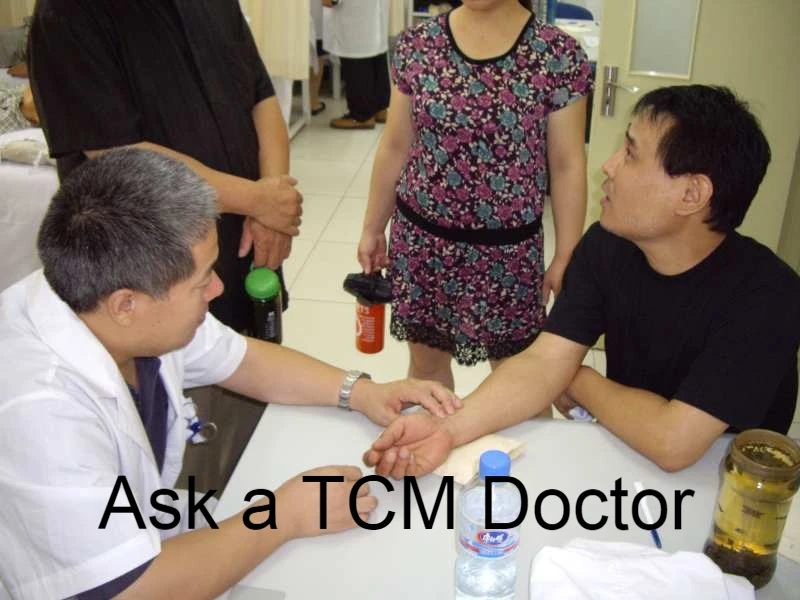
Pulse diagnosis is even more detailed. It’s not just about speed. We assess qualities — slippery, wiry, thin, floating.
It takes years to develop sensitivity in this skill. It’s subtle. But incredibly informative.
The Needles – What It Actually Feels Like
Let’s be honest.
You might feel:
- A light prick
- A spreading sensation
- Mild heaviness
- Gentle tingling
But it’s usually brief.
Needles remain in place for 20–30 minutes. And here’s the surprising part:
Most people fall asleep.
Resting With the Needles – The Unexpected Calm
The room becomes quiet. Breathing slows. Muscles soften.
Some describe it as deep relaxation. Others feel warmth spreading through the body.
It’s not dramatic. It’s subtle — like turning down background noise you didn’t realize was there.
How to Prepare for Your First Session
Getting ready for your first acupuncture visit isn’t complicated — but a few small choices can make a big difference in how comfortable you feel.
Eat lightly beforehand. Think of it like going for a massage or a long walk. You don’t want to be overly full, but showing up on an empty stomach isn’t a great idea either. A small meal 1–2 hours before your session keeps your energy steady and helps you relax once you’re on the table.
Dress comfortably. Loose sleeves, relaxed pants, breathable fabrics. You won’t need to change completely, but easy access to arms and legs makes everything smoother. The less you have to think about your clothes, the easier it is to switch off.
Go easy on stimulants. Three coffees before your appointment? Your pulse might feel like it’s at a dance party — not ideal when subtle changes matter.
Bring relevant medical reports if you have them. And most importantly, bring curiosity instead of expectations. That mindset changes everything
What You Might Feel Afterward
Reactions vary.
Common experiences include:
- Deep relaxation
- Temporary sleepiness
- A sense of lightness
- Gentle warmth
- Mild fatigue
Occasionally, people feel slightly more aware of their symptoms before things settle. That can happen as the body recalibrates.
Changes sometimes appear immediately. Sometimes gradually over days.
What Science Says About Acupuncture
Acupuncture isn’t just talked about in tea rooms and wellness blogs — it’s also been the subject of serious scientific investigation. One of the most significant pieces of research comes from a large individual‑patient data meta‑analysis published in Archives of Internal Medicine, which looked at nearly 18,000 patients across multiple high‑quality randomized controlled trials.
In this analysis, acupuncture was found to be statistically superior to both no treatment and so‑called “sham” acupuncture controls for chronic pain conditions like back and neck pain, osteoarthritis, and headaches.
What does that mean? While the difference between real acupuncture and sham acupuncture (a placebo‑like control used in research) was modest, the results suggest that there’s more going on than just expectation or suggestion. In simple terms, the outcomes seen in people who received acupuncture weren’t fully explainable by placebo effects alone.
On a biological level, other research has explored possible mechanisms — for example, how needling may interact with nervous‑system signaling, influence neurotransmitter release, or engage specific areas of the brain — but this work is complex and still evolving.
The key takeaway from systematic studies is that acupuncture’s effects appear to go beyond what would be expected from chance or simply the ritual of treatment.
For a direct overview of one of the most widely cited scientific analyses, you can read the meta‑analysis here: Acupuncture for Chronic Pain: Individual Patient Data Meta‑analysis (PubMed)s.
Lessons From My Years in China
During my time in Hangzhou, hospital TCM clinics were always full. Young professionals. Elderly patients. Students.
One elderly woman came daily for twenty years. She called it her “morning balance ritual.”
That perspective stayed with me. In China, acupuncture isn’t exotic. It’s routine.
Another memory stands out — a small street clinic in old Beijing. A simple room. The scent of moxa in the air. An elderly doctor placing needles with calm precision.
He moved like a musician. Each placement deliberate.
That’s when I understood — acupuncture is less about technique and more about listening. It’s a dialogue between practitioner and body.
Two Real Stories From Practice
Case 1 – Stress and Sleep
A 38-year-old woman came in completely exhausted. Long work hours, constant deadlines, and racing thoughts at night had made restful sleep feel impossible.
In Traditional Chinese Medicine (TCM) terms, her pattern suggested tension affecting the body’s internal balance — a combination of Liver Qi stagnation and Heart Blood deficiency, which often shows up as anxiety, restlessness, and poor sleep.
After her first acupuncture session, she came back amazed: “I actually slept through the night!”
Over several visits, her evenings became calmer. Not instant magic — just a gentle, gradual shift. Alongside acupuncture, we also introduced Jia Wei Xiao Yao Wan, a classic TCM herbal formula known to help regulate mood, ease stress, and support the liver and spleen systems. Combined, the treatments helped her feel more grounded and restored over time.
Jia Wei Xiao Yao Wan
An emotional & digestive support champion. It helps release stress, ease bloating, PCOS
👉 [See on Amazon]
👉 [Check on eBay]
👉 [Check out Arcane herb shop (herbal products are handcrafted)]
Case 2 – Neck and Shoulder Tension
A 45-year-old man with a demanding desk job came in complaining of constant tightness in his neck and shoulders. Sitting 8–10 hours a day had left him feeling like he carried a permanent weight on his upper back.
After the first session, he described a sensation as if someone had lifted a heavy backpack off his shoulders. Over multiple treatments, his mobility improved, and the daily discomfort decreased significantly.
For ongoing support, he also took Jia Wei Xiao Yao Wan, which helped ease tension and improve energy circulation. This combination of acupuncture and herbal support allowed his muscles to relax more fully and helped prevent the buildup of stress-related tightness.
Every patient is different, but these examples show how quickly the body can respond — especially when acupuncture is paired with supportive TCM herbs like Jia Wei Xiao Yao Wan for stress and tension.
Afraid of Needles? There Are Alternatives
Not everyone feels comfortable with needles — and that’s completely fine. The good news is, acupuncture isn’t the only way to work with your body’s energy system. There are several effective alternatives that don’t involve piercing the skin.
Acupressure
Acupressure is like acupuncture’s gentle cousin. Instead of needles, pressure is applied to the same acupuncture points using fingers, thumbs, or specialized tools. The idea is simple: by pressing on specific points along the meridians, you can stimulate energy flow, release tension, and support the body’s natural self-regulation.
For example, pressing the point between your thumb and index finger can help ease tension headaches, while gentle pressure on points along the lower leg can improve circulation and calm the mind. Acupressure is also something you can learn to do at home, making it a practical tool for daily stress relief or pain management. If you want to learn more, read as well:
Cupping Therapy
Cupping uses suction cups to gently pull the skin upward. This increases circulation, encourages tissue relaxation, and can help reduce muscular tension. You might notice circular marks afterward — a natural sign that blood flow has been stimulated.
Moxibustion
Moxibustion involves gently warming acupuncture points with a small bundle of dried herbs (usually mugwort). The heat penetrates deeply, supporting circulation, easing cold-related stagnation, and promoting overall relaxation.
Tui Na Massage
Tui Na is a hands-on therapeutic massage rooted in TCM. It combines kneading, rolling, and stretching techniques along the meridians to release tension, improve mobility, and enhance energy flow.
All of these approaches work with the same meridian system as acupuncture — they just do it without needles. For those hesitant about insertion, they can be an excellent starting point to experience the benefits of TCM in a gentle, approachable way.
If you’re curious, acupressure is especially beginner-friendly because you can practice small routines at home, giving you a sense of control and awareness over your own energy flow. It’s like a “taste” of acupuncture without the prick..
Practical TCM Tips Before and After
Before:
- Avoid alcohol for 24 hours
- Don’t overexert physically
After:
- Drink warm water
- Eat something nourishing
- Skip intense workouts that day
Small adjustments enhance the experience.
Fascinating Historical Facts
Acupuncture isn’t just an old tradition — it’s one of the most enduring practices in human history, with over 2,500 years of recorded use in Asia and beyond. Ancient Chinese classics like the Huangdi Neijing described meridians and channels as pathways of communication within the body, long before modern anatomy was mapped.
Fast forward to modern times, and acupuncture still plays a role in today’s healthcare systems. In China, for example, you’ll often see acupuncture integrated with conventional medicine — patients might have a diagnostic scan in the morning and an acupuncture session in the afternoon.
In 2010, UNESCO formally recognized acupuncture and its companion therapy, moxibustion, as part of the Intangible Cultural Heritage of Humanity, celebrating both their historical importance and cultural value — not just in China but around the world.
Beyond cultural recognition, major health organizations have looked seriously at what acupuncture can do. One influential document from the World Health Organization (WHO), titled Acupuncture: Review and Analysis of Reports on Controlled Clinical Trials, provides a list of symptoms, diseases, and conditions that have been shown in controlled research to respond effectively to acupuncture. You can read the full WHO list yourself here: 👉 https://www.paraplegie.ch/sites/default/files/2022-07/who-list_on_acupuncture_spz.pdf.
This WHO list includes a broad range of conditions — everything from headaches, low back pain, and nausea, to allergic rhinitis (hay fever) and adverse reactions to radiotherapy or chemotherapy (based on controlled clinical trials).
So while acupuncture traces its roots back millennia, it continues to evolve — both as a cultural practice and as a subject of scientific inquiry. The fact that global organizations have catalogued its effects is a testament to its lasting relevance and the curiosity it continues to inspire.
How Many Sessions Do You Need?
Sometimes one session brings noticeable change.
But typically, 5–8 sessions allow patterns to shift more deeply.
Think of it like adjusting posture. One stretch helps. Consistency transforms.
Conclusion – It Begins With a Choice
Acupuncture isn’t magic.
It’s not dramatic.
It’s quiet work. Subtle adjustments. Small nudges that allow the body to reorganize itself.
The biggest barrier is rarely the needle.
It’s the hesitation before booking the first appointment.
Because balance doesn’t start when the needle touches the skin.
It starts when you decide to explore something new.
Frequently Asked Questions
1. Does the first acupuncture session hurt?
Most people feel only a very minimal sensation — often just a slight tingling or gentle pressure — which is far less than what they expect.
2. How long does the first visit last?
A typical first visit usually takes about 60 minutes, including a detailed consultation and the treatment itself.
3. Can I drive afterward?
Yes, you can usually drive afterward, but if you feel deeply relaxed or sleepy after the session, it’s a good idea to take a few quiet minutes before leaving.
4. Is acupuncture safe?
Acupuncture is considered very safe when performed by a properly trained practitioner using sterile, single-use needles and following professional hygiene standards.
5. What if I’m still unsure?
If you’re unsure, you can schedule a consultation without commitment, ask all your questions, and get a clear sense of what to expect, which often eases anxiety and helps you decide confidently.
👉 If this article spoke to you — sign up for the newsletter below for weekly TCM wisdom and rituals you can start today.
Must-Read Books
One informative resource is: “Acupressure’s Potent Points: A Guide to Self-Care for Common Ailments”
👉 [See this book on Amazon paperback][Kindle]
and: “The Acupressure Bible: The Complete Self-Treatment Guide to Relieve Pain, Reduce Anxiety & Restore Energy — Your Natural Healing Companion for the Demands of Modern Life’“
👉 [Check the price on Amazon paperback][Kindle]
Acupressure Pen-Helps you apply the perfect amount of pressure with minimal effort to get a deep trigger point massage
👉 [See this book on Amazon ]
Authentic Traditional Chinese Medicine (TCM) Herbal Formulas
If you’re looking for high-quality, practitioner-recommended TCM formulas — available globally — consider the following options. These time-tested products are crafted with care and widely used to support emotional balance, digestion, energy, and overall wellness.
Note: This post contains affiliate links to products we’ve actually tried from reliable, certified sellers. Supporting these links helps maintain our blog. Thank you! 🙏
Top Herbal Formulas
Jia Wei Xiao Yao Wan
An emotional & digestive support champion. It helps release stress, ease bloating, PCOS
👉 [See on Amazon]
👉 [Check on eBay]
👉 [Check out Arcane herb shop (herbal products are handcrafted)]
Chai hu shu gan wan
Support emotional balance and smoother internal flow
👉 [See on Amazon]
👉 [Check on Ebay]
👉 [Check out Arcane herb shop (herbal products are handcrafted)]
Ma zi ren wan or Run chang wan
Gently support bowel moisture and movement
👉 [See on Amazon]
👉 [Check on Ebay]
👉 [Check out Arcane herb shop (herbal products are handcrafted)]
These formulas are based on ancient herbal wisdom and used worldwide by TCM practitioners. Be sure to consult a professional for personalized advice.
🎁 Get 5% OFF with this code!
Use promo code TCMHEAL5 at checkout to enjoy an exclusive 5% discount—available only at Arcana Herbs Shop.
At Arcane Herbs Shop in Chicago’s Chinatown, every formula is carefully prepared using traditional methods and natural ingredients. You can also browse and order our selections [here].
Sharing the wisdom of Traditional Chinese Medicine is our passion and calling.
If these words resonate with you, and you’d like to help me keep creating, consider offering a symbolic cup of green tea or support through Ko-fi.
Your kindness nurtures this work — like qi flows through the meridians
These articles may interest you
ACUPRESSURE FOR WOMEN: SIMPLE POINTS FOR NATURAL BEAUTY
THIS POINT MAKES YOUR SHOULDER MOVE BETTER
ACUPRESSURE FOR WOMEN: SIMPLE POINTS FOR NATURAL BEAUTY
Newsletter o zdrowiu z TCM
Wyrusz w podróż po mądrość Tradycyjnej Medycyny Chińskiej.
Dołącz do newslettera i co tydzień otrzymuj porady oraz nowe artykuły prosto na swoją skrzynkę.
Nie ma newslettera? Sprawdź Spam — czasem się tam ukrywa.
TCM Health Newsletter
Embark on a journey into the wisdom of Traditional Chinese Medicine.
Join the newsletter and receive weekly tips and new articles delivered straight to your inbox.
No newsletter? Check Spam — it sometimes hides there.