Struggling with Blood Sugar? Here’s What Traditional Chinese Medicine Suggests
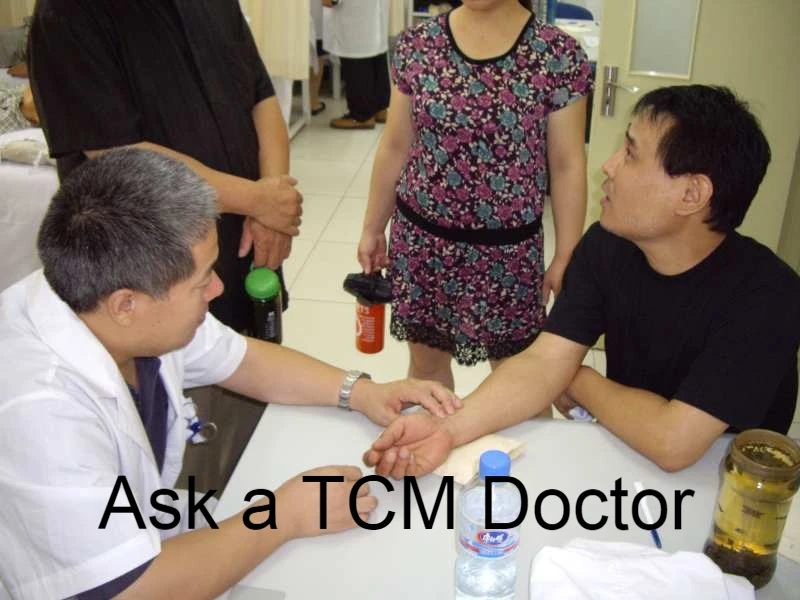

Dr. Tomasz Borecki is a specialist in Traditional Chinese Medicine (TCM) with over 25 years of experience. He was educated in China, where he developed his expertise in Eastern medicine. He actively promotes TCM in Poland and internationally. More information can be found in the “About Us” section.
Does Traditional Chinese Medicine Really Help with Diabetes? Let’s Break It Down
Let’s talk about something that’s quietly becoming part of more and more people’s lives every year — diabetes. But don’t worry, this isn’t going to feel like a boring lecture from a textbook. Think of it more like a relaxed chat over a cup of green tea… or coffee if that’s your thing. No pressure, just real talk, a little humor, and some genuinely useful insights.
So here’s the question I hear all the time in my clinic:
“Doc… does this Traditional Chinese Medicine stuff actually work?”
Fair question. And honestly? I get it. When you’re dealing with something as serious (and often frustrating) as diabetes, you don’t want theories — you want results.
Here’s the thing: Traditional Chinese Medicine, or TCM, looks at diabetes a bit differently than Western medicine. Instead of focusing only on blood sugar numbers, we look at the whole picture — your energy, digestion, sleep, stress levels, even how your body reacts to different foods. It’s less about “fighting a disease” and more about helping your body find its balance again.
Imagine your body like a busy city. If traffic lights stop working, everything gets chaotic. TCM is like fixing the system behind the scenes, not just directing traffic at one intersection.
Does it replace modern medicine? No. But can it support your body in powerful ways? Absolutely.
And that’s exactly what we’re going to explore together — no hype, no magic cures, just practical insights that actually make sense in real life.
So… What Even Is TCM?
Traditional Chinese Medicine (TCM) is basically a whole health system that’s been developing for over 2,000 years — long before modern hospitals, lab tests, or even the idea of calories. It’s a mix of herbal medicine, acupuncture, massage (Tui Na), food therapy, and a very different way of looking at the human body.
Instead of seeing the body as separate parts (like “this is the pancreas, this is the blood sugar problem”), TCM treats everything as connected. If something is off in one area, it can affect the whole system — kind of like when your phone battery drains faster because too many apps are running in the background. Same device, different problem.
In TCM, diabetes is called “Xiao Ke”, which roughly translates to “wasting and thirsting.” And honestly, that name is pretty descriptive. People with this condition often feel constantly thirsty, tired, and like their energy is slowly being drained no matter how much they rest or eat.
But here’s the interesting part — TCM doesn’t just look at the symptoms. It asks why the body is out of balance in the first place. Is it stress? Diet? Lifestyle? Sleep? Emotional strain? Usually, it’s a combination of all of them.
So instead of just trying to “turn off the symptoms,” the goal is to gently guide the body back toward balance. Not overnight. Not magically. But step by step, through consistent care and smarter daily habits.
How Does TCM Explain Diabetes?
TCM doesn’t talk about insulin or blood glucose. Instead, it works with these core ideas:
- Yin & Yang – the body needs balance
- Shen (Kidneys) – not just about peeing!
- Pi (Spleen) – controls digestion and energy
- Fei (Lungs) – yup, even lungs are involved here
From the TCM view, diabetes is usually caused by:
- Yin deficiency – your body is too “dry” inside
- Internal heat – like having a mini bonfire inside your belly
- Low Qi – aka low life energy, and nothing runs without it
Sound weird? Maybe. But think about typical type 2 diabetes symptoms: thirst, dry mouth, fatigue, frequent urination… suddenly it all kind of lines up.
So What Does TCM Actually Recommend?
1. Chinese Herbs – More Than Just Tea
In TCM, herbs are tailored to the person — not a one-size-fits-all solution. But here are two go-to formulas that many people use (under supervision, please!):
🔹 Yu Quan Wan
A formula that nourishes Yin and moistens dryness — perfect if you’re constantly thirsty and feeling dry. It’s a gentle way to help balance early-stage type 2 diabetes.
Yu quan wan
It’s a gentle way to help balance early-stage type 2 diabetes.
👉 [See on Amazon – Here]
👉 [See on Ebay – Here]
🔹 Zhi Bai Di Huang Wan
Sounds like a spell, but it’s serious stuff. This one cools down that inner heat and supports kidney Yin — great if you’ve got that “burning up from inside” feeling.
Zhi bai di huang wan or Liu wei di huang wan
This one cools down that inner heat and supports kidney Yin — great if you’ve got that “burning up from inside” feeling.
👉 [See on Amazon –Here or Here]
👉 [Buy on IHerb –Here
2. The Chinese Way of Eating
No, you don’t have to suddenly live on tofu, rice, and herbal soup for the rest of your life. The TCM approach to food is actually much more relaxed and, honestly, pretty realistic for everyday life.
The main idea is simple: food is not just fuel, it’s information for your body.
In Traditional Chinese Medicine, digestion is seen as something that works best when it’s supported, not stressed. That’s why there’s a strong focus on how you eat, not just what you eat.
A few core principles:
- Warm, cooked meals are preferred over cold or raw foods
Think soups, stews, porridges. Warm food is believed to be easier on digestion and more “friendly” for your internal system. Ice-cold drinks? Not exactly a favorite here. - Cut down on junk food, excess sugar, and heavy greasy meals
Nothing shocking here — your body doesn’t need a lecture, it just feels the difference pretty quickly. - Keep meals simple and easy to digest
The less your digestive system has to struggle, the more energy you have left for everything else in your day.
It’s not about strict rules or punishment diets. It’s more like: “How can I make my body’s job a little easier today?”
3. The Secret Star: Pumpkin
Yes… pumpkin. Nothing fancy, nothing exotic — just a humble orange vegetable doing surprisingly powerful work.
From a TCM and modern nutrition point of view, pumpkin is a bit of an underrated hero:
- It’s low to medium glycemic index (GI)
- It’s rich in fiber, which helps slow down sugar absorption
- It supports digestion and is generally gentle on the system
In simple terms: it doesn’t cause big sugar spikes, and it keeps you feeling full for longer.
And here’s the fun part — it actually tastes amazing when you treat it right.
Try this simple combo:
Cook pumpkin slowly, then add a pinch of ginger and cinnamon. That’s it. No complicated recipe, no chef skills needed. Just warm, comforting food that feels good and works with your body instead of against it.
Simple. Cheap. Effective.
What About Acupuncture (and Acupressure)?
If needles make you nervous, you’re definitely not alone. A lot of people hear “acupuncture” and instantly imagine something painful or extreme. But in reality, it’s much more gentle than it sounds — and definitely not some mysterious voodoo trick.
In Traditional Chinese Medicine, acupuncture is used to help the body “reset” and regulate itself. Tiny, very thin needles are placed at specific points on the body to support natural balance and flow.
From a TCM perspective, it can help with things like:
- Supporting metabolism and energy levels
- Improving circulation
- Reducing stress (which, by the way, has a direct impact on blood sugar levels)
And stress is a big deal here — because when your body is constantly tense, it’s like your internal system is stuck in “high alert mode,” which can mess with everything, including glucose regulation.
I once had a patient who told me something interesting — after just a few sessions, they stopped waking up multiple times at night to go to the bathroom. Now, could that be coincidence? Possibly. But in clinical practice, when people report consistent improvements, you start paying attention.
Now, if needles are still a hard “no” for you, there’s another option that’s often overlooked: acupressure.
Acupressure uses the same points as acupuncture, but instead of needles, you use gentle pressure from your fingers. It’s simple, safe, and something you can even do at home while watching TV.
Think of it as a “self-care version” of acupuncture — less clinical, more hands-on. Some people use it for relaxation, better sleep, and even digestive support.
So whether it’s acupuncture or acupressure, the idea is the same: helping the body find its natural rhythm again, without forcing it, just guiding it gently back into balance.
Interested in acupressure? Read the free beginner’s guide: ACUPRESSURE PRACTICAL GUIDE
🚫 Can TCM Replace Insulin?
Short answer? No.
Real answer? It’s an amazing support system.
Think of insulin as the steering wheel. TCM? It’s the suspension and engine oil. Both are kinda important if you want to keep the car running smoothly.
✅ Is It Safe?
Only if done right. Please — don’t buy random herbs online and think you’re set. Always check with a real TCM practitioner or an integrative doctor who knows their stuff.
❌ Myths You Should Forget (Right Now)
“I can stop my meds if I use herbs.”
Absolutely not. Don’t do that unless your doctor says so.
“It’s just placebo.”
Tell that to the thousands of people whose blood sugar improved with TCM. It’s not about quick fixes. TCM works slowly, but deeply — it’s about long-term balance, not instant numbers.
TCM + Healthy Habits = A Game Changer
Let’s be real. If you’re living on donuts, sitting all day, and stressing out 24/7 — no herb will save you.
But if you add TCM to a healthier lifestyle? You’re on the right track.
- Move a bit – 30 min walk is a win
- Sleep well – without rest, your Yin crashes
- Relax – Tai Chi, meditation, or even mindful Netflix
- Eat better – don’t go full monk, just cut the junk
Also check out our guide: THE BETTER SLEEP & STRESS RELIEF GUIDE
Interesting Facts About Yu Quan Wan & Zhi Bai Di Huang Wan
Yuquan Wan and Zhi Bai Di Huang Wan are two well-known herbal formulas from Traditional Chinese Medicine (TCM). Even though they were created centuries ago, many people still use them today — especially for things like high blood sugar, fatigue, overheating, or signs of dryness in the body. While they work in slightly different ways, both formulas aim to restore balance and support the body’s natural energy.
Yu Quan Wan – “Jade Spring Pill”
Yu Quan Wan is often used in cases where the body is showing signs of what TCM calls “Yin deficiency with internal heat.” This can show up as thirst, dry mouth, fatigue, and frequent urination — symptoms that are quite similar to early signs of diabetes. In fact, TCM has a name for this condition: “Xiao Ke,” which loosely translates to “wasting and thirsting disorder.”
The main herbs in Yu Quan Wan include:
- Astragalus root (Huang Qi): Boosts energy, strengthens the immune system, and helps regulate fluids.
- Rehmannia root (Sheng Di Huang): Nourishes yin and helps cool the body.
- Pueraria root (Ge Gen): Reduces thirst and relaxes tight muscles.
These herbs work together to increase body fluids, cool down internal heat, and gently support normal blood sugar levels. Many people who take Yu Quan Wan report feeling more hydrated, energized, and balanced overall.
Zhi Bai Di Huang Wan – “Eight-Ingredient Pill with Cooling Herbs”
This formula is a variation of the classic Liu Wei Di Huang Wan, which is used to strengthen the kidneys and nourish yin. The “Zhi Bai” version adds two cooling herbs to target heat symptoms, such as night sweats, hot flashes, low-grade fever in the evening, or burning sensations in the lower body.
Key herbs include:
- Anemarrhena root (Zhi Mu): Clears heat and nourishes yin.
- Phellodendron bark (Huang Bai): Especially helpful for lower body heat and inflammation.
- Rehmannia (Shu Di Huang), Cornus fruit, and Chinese yam: Strengthen kidney and liver function, which are important in TCM for regulating fluid and sugar metabolism.
This formula is often chosen for people who have blood sugar issues with signs of overheating, like red cheeks, dryness, or restlessness at night. It’s also popular among women going through menopause because it helps balance hormones and reduce heat-related symptoms.
Mini FAQ (Because You’ll Ask Anyway)
Can I start TCM on my own?
Better not. Talk to a TCM expert or integrative doctor first.
Are online herbs safe?
Only from trusted shops. Check reviews, ingredients, and always consult someone who knows TCM.
Pumpkin every day?
2–3 times a week is enough. Soup, roasted, or in a curry — go for it.
Can I stop insulin if I feel better with TCM?
NO. Only your doctor can decide that, based on real bloodwork.
👉 If this article spoke to you — sign up for the newsletter below for weekly TCM wisdom and rituals you can start today.
Must-Read Books
One informative resource is: Nutritional Healing with Chinese Medicine: + 175 Recipes for Optimal Health
👉 [See this book on Amazon paperback][Kindle]
The Chinese Medicine Cookbook: Nourishing Recipes to Heal and Thrive
👉 [See this book on Amazon Paperback][Kindle]
and: The Five Elements Cookbook: A Guide to Traditional Chinese Medicine with Recipes for Everyday
👉 [Check the price on Amazon paperback][Kindle]
Sunpentown NY-656 3-4/5-Liter Chinese Herbal Medicine Cooker with Stainless Heater
👉 [See on Amazon ]
Where can I buy it?
If you’re looking for authentic, practitioner-recommended, high-quality Traditional Chinese Medicine (TCM) formulas — available globally — we recommend the following herbal products. These time-tested formulas are crafted with the finest ingredients and are widely used to support emotional balance, digestion, energy, and overall wellness.
FYI: This post contains affiliate links to herbs we’ve actually tried from reliable, certified sellers. If you buy through them, you’re supporting our blog. Thanks! 🙏
Top Recommended High-Quality Herbal Formulas:
- Yu quan wan
It’s a gentle way to help balance early-stage type 2 diabetes.
👉 [Buy on Amazon – Here]
👉 [Buy on Ebay – Here] - Zhi bai di huang wan or Liu wei di huang wan
This one cools down that inner heat and supports kidney Yin — great if you’ve got that “burning up from inside” feeling.
👉 [Buy on Amazon –Here or Here]
👉 [Buy on IHerb –Here
These formulas are based on ancient herbal wisdom and are used by TCM practitioners worldwide. Be sure to consult a professional for personalized advice.
🎁 Get 5% OFF with this code:
Use promo code TCMHEAL5 at checkout to receive an exclusive 5% discount—only at Arcana Herbs Shop.
At Arcana Herbs Shop, every formula is handcrafted with care, using time-honored traditions and natural ingredients
Final Thought: What If This Is for You?
Maybe TCM isn’t “magic from the East” — maybe it’s just a different way of looking at your health.
What if this ancient knowledge is the missing piece in your wellness puzzle?
In my experience, the people who get the best results are the ones who mix open-mindedness with common sense.
So what do you say?
Maybe it’s time to add a little Yin to all that sugar chaos …
Want more tips? Discover How Traditional Chinese Medicine Can Naturally support Diabetes In the Ask a TCM Doctor Archive
You might find these articles interesting:
These articles may interest you
THE BETTER SLEEP & STRESS RELIEF GUIDE
ACUPRESSURE FOR WOMEN: SIMPLE POINTS FOR NATURAL BEAUTY
ACUPRESSURE FOR BEGINNERS: 3 MUST-READ BOOKS TO MASTER HEALING NATURALLY
Sharing the wisdom of Traditional Chinese Medicine is our passion and calling.
If these words resonate with you, and you’d like to help me keep creating, consider offering a symbolic cup of green tea or support through Ko-fi.
Your kindness nurtures this work — like qi flows through the meridians
Newsletter o zdrowiu z TCM
Wyrusz w podróż po mądrość Tradycyjnej Medycyny Chińskiej.
Dołącz do newslettera i co tydzień otrzymuj porady oraz nowe artykuły prosto na swoją skrzynkę.
Nie ma newslettera? Sprawdź Spam — czasem się tam ukrywa.
TCM Health Newsletter
Embark on a journey into the wisdom of Traditional Chinese Medicine.
Join the newsletter and receive weekly tips and new articles delivered straight to your inbox.
No newsletter? Check Spam — it sometimes hides there.