How Food Affects Your Mood: TCM Wisdom Meets Modern Science
Food, Mood, and the Body–Mind Connection
Ever notice how you feel snappy and sluggish after fast food, but calm, light, and almost glowing after a fresh smoothie? That’s not a coincidence. Your mood isn’t controlled only by stress, sleep, or hormones — a huge part of it starts on your plate.
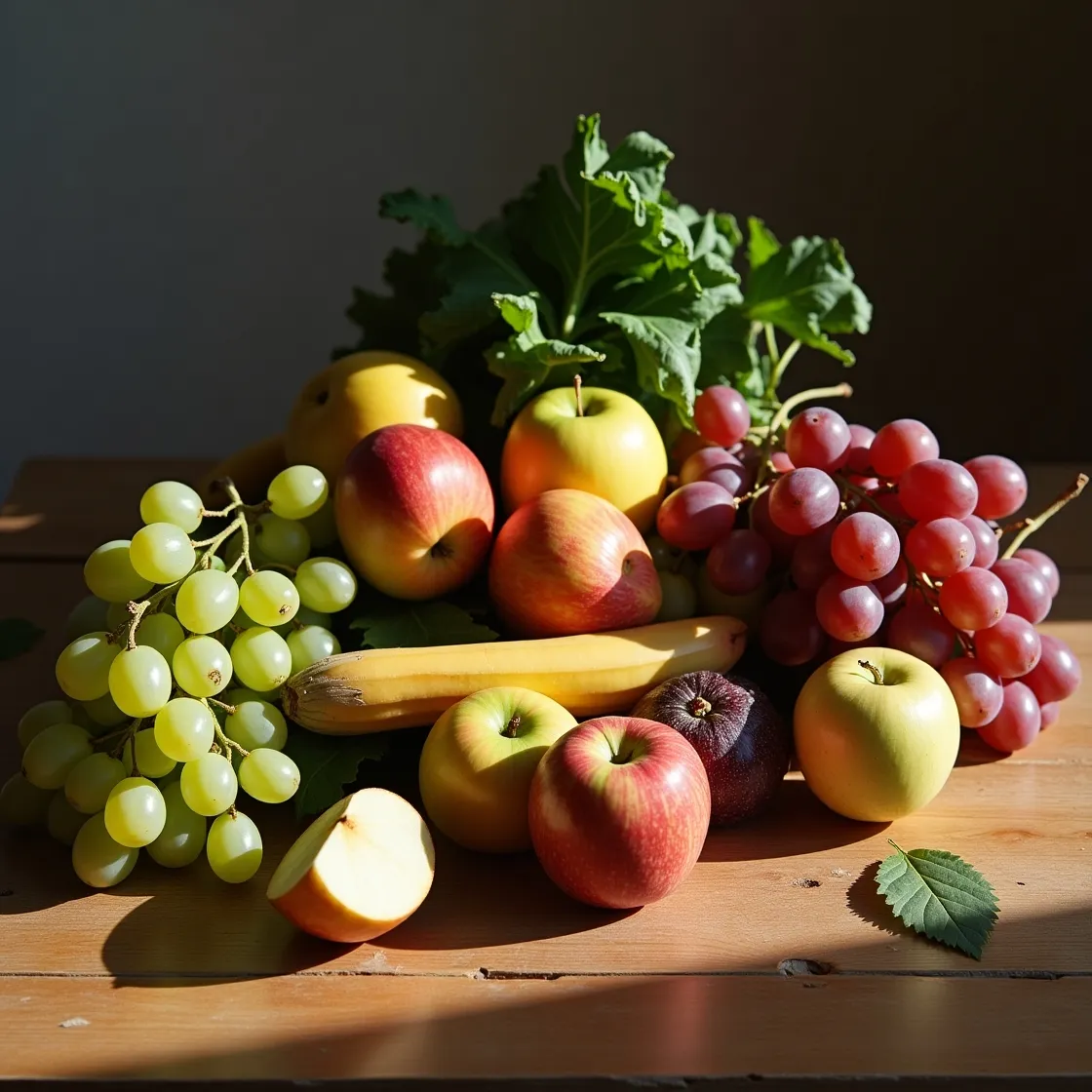
What you eat sends chemical signals straight to your brain. Heavy, greasy, ultra-processed foods can drag your energy down and mess with your focus. Fresh, colorful foods can do the opposite — they support stable blood sugar, better digestion, and steadier emotions.
What’s fascinating is that this idea isn’t new at all. Traditional Chinese Medicine has been saying this for over 2,000 years. In TCM, food isn’t just calories or nutrients — it’s medicine. And emotions aren’t “all in your head.” Each emotion is linked to an organ, and those organs are deeply influenced by what you eat every day.
So that irritability, brain fog, or sudden calm? It might be your body talking. And once you start listening, things get really interesting.
What Living in China Taught Me About Food and Emotions
When I lived in China, I didn’t just learn about Traditional Chinese Medicine — I felt it in my own body. At first, I didn’t think much about food. I ate what was convenient, skipped meals, grabbed fried snacks, drank iced drinks without a second thought. And honestly? I felt off. Low energy, foggy head, moody for no clear reason.
Then things started to change. Meals became warm, simple, and regular. Soups, rice, vegetables, herbal teas. People around me talked about food like it mattered — not in a diet way, but in a “this supports your body” way. I noticed that after certain meals I felt calmer, more grounded, more like myself. Not instantly happy — just balanced.
In China, food wasn’t separated from health or emotions. If you felt anxious, tired, irritable, people didn’t ask only about stress. They asked what you were eating, how you were digesting, whether your body felt cold or overheated. It was eye-opening.
That’s when it clicked: my mood wasn’t random. My body was responding to how I treated it. Living there taught me to listen — to see food not as rules or restrictions, but as daily support. And once you experience that shift, you can’t really unsee it.
Food = Energy = Emotion (According to TCM)
In TCM, food sends information to your body. If you’re giving it quality input, you get quality results. Feed it junk, and your whole system feels off. Sounds simple, but it’s a game-changer. Unlike Western nutrition, which focuses on macros and vitamins, TCM is all about balance — yin and yang, qi (your life force), and how your food interacts with your mood.
A Quick Crash Course in TCM
Traditional Chinese Medicine isn’t new — it’s over 2,000 years old. It includes acupuncture, herbal medicine, tai chi, and yes, nutrition. Everything is based on observing nature and cycles — including how food interacts with your emotional and physical health.
At the heart of TCM is the Five Elements Theory — Wood, Fire, Earth, Metal, and Water. Each one is tied to different organs and emotions:
- Liver (Wood) – Anger
- Heart (Fire) – Joy
- Spleen (Earth) – Worry
- Lungs (Metal) – Sadness
- Kidneys (Water) – Fear
Balance these elements, and you’ll feel better emotionally and physically.
So What Does “Healing Food” Look Like in TCM?
Forget calories — TCM looks at the nature of food. Is it warming or cooling? Sweet or bitter? Moistening or drying? All of this impacts your body’s energy and how you feel.
Here are a few emotional superfoods according to TCM:
- Carrots & pumpkin – calm anxiety
- Leafy greens – help process anger
- Nuts & seeds – build inner security and soothe fear
Oh, and seasonal eating? Big deal in TCM. Eat cooling foods like cucumbers in summer and hearty soups in winter. Your body needs different support depending on the season.
Which Organ = Which Emotion? And What Should You Eat?
Here’s where things get juicy:
Liver = Anger
If you’re snappy or irritable, your liver might be out of whack. Eat more greens, sip green tea, or try lemon water. It sounds basic, but you might be surprised how fast your mood shifts.
Jia Wei Xiao Yao Wan – a classic Traditional Chinese Medicine (TCM) herbal formula used to ease stress, anxiety, irritability, and sleep disturbances. It helps calm the mind, soothe liver Qi stagnation, support digestion, and restore emotional balance.
Jia Wei Xiao Yao Wan
An emotional & digestive support champion. It helps release stress, ease bloating, PCOS
👉 [See on Amazon]
👉 [Check on eBay]
Heart = Joy
Feeling low or “meh”? Your heart energy might be depleted. Red fruits like strawberries, cherries, and even grapes can lift your spirits.
Spleen = Worry
Overthinking or stuck in your head? Your spleen’s probably overloaded. Cut down on sugar and focus on grounding foods like squash, sweet potatoes, or warm grains.
Lungs = Sadness
Grief often hits your lungs. Soothe them with warm, moist foods — like steamed pears with honey (an old-school remedy that works like magic).
Kidneys = Fear
Fear, anxiety, insecurity — all tied to your kidneys. Boost them with black beans, sesame, or rich broths. Even a handful of walnuts can be more grounding than a vitamin pill.
Feeling Off? Here’s What to Eat
For Stress
- Light, warm meals like soups or millet porridge
- Herbal teas (think chrysanthemum or lemon balm)
- Avoid coffee, sugar, and spicy foods
For Low Energy or Mood Swings
- Dates, walnuts, jasmine rice
- These nourish the heart and spleen without weighing you down
For Emotional Burnout
- Chicken broth, miso soup, gently cooked veggies
- Cooked food supports your qi (life energy) and soothes frazzled nerves
Two Real Clinic Stories: Food, Emotions, and Balance
During my time in a TCM clinic, I saw firsthand how closely food and emotions are connected. One case that stayed with me was a woman in her 30s who came in feeling constantly irritable, bloated, and emotionally overwhelmed. She ate lots of salads, cold smoothies, and skipped warm meals because she thought it was “healthy.” In TCM terms, her digestion was weakened, and her Liver energy was stuck. Along with dietary changes — warm cooked foods, regular meals — she was given Jia Wei Xiao Yao Wan. Over a few weeks, her mood softened, her digestion improved, and she said she finally felt “less on edge” without forcing herself to calm down.
Another patient struggled with anxiety, poor sleep, and emotional exhaustion. He relied heavily on coffee, sugar, and late-night snacking. His mind was racing, but his body was depleted. In this case, the practitioner focused on nourishing the Heart and calming the spirit. His diet shifted toward simple, grounding foods, and he was prescribed Suan Zao Ren Wan. Gradually, his sleep deepened, his anxiety eased, and his emotions felt more stable.
These cases weren’t about quick fixes. They showed how food, herbs, and emotions work together. When the body is supported properly, emotional balance often follows naturally.
East Meets West: Scientific Proof That Food Affects Your Mood
Modern research is finally catching up to what Traditional Chinese Medicine has been saying for centuries — what you eat can profoundly shape how you feel. Scientists now understand the gut-brain axis, a two-way communication system between your digestive system and your brain. Through this pathway, your gut microbiome helps produce and regulate many chemicals essential for mood and emotional balance. In fact, about 90 % of your body’s serotonin — the “feel-good” neurotransmitter — is made in the gut by enterochromaffin cells and influenced by gut bacteria.
Diet plays a huge role in shaping your microbiome. Fermented foods like kefir, kimchi, and sauerkraut support microbial diversity and may help with the production of neurotransmitters that influence anxiety, stress, and overall mood. A growing body of research even suggests that targeting the microbiome through diet and probiotics could help improve symptoms of depression and anxiety by modulating serotonin metabolism and other neurochemical pathways.
So the next time you wonder why you feel “off” after a heavy fast-food meal or exceptionally good after a bowl of fermented veggies, it’s not just in your head — it’s in your gut too.
Here’s a solid overview of this topic if you want to read more:
👉 The Gut–Brain Axis (Wikipedia) — diet, serotonin, and mental health explained
How to Try TCM Nutrition Without Changing Your Life Overnight
Start small. TCM isn’t about being strict — it’s about awareness.
- Eat meals at the same time every day
- Cook more, microwave less
- Pay attention to how you feel after eating — energized? sluggish? anxious?
Try this 1-day mood-friendly plan:
- Breakfast: Oats with dates and warm almond milk
- Lunch: Pumpkin soup with jasmine rice and steamed greens
- Dinner: Stir-fried veggies with tofu, ginger, and sesame oil
Oh — and skip the iced coffee. Cold drinks mess with your digestion big time.
The Bottom Line: Food and Feelings Are Deeply Connected
TCM teaches something radically simple: your body and your emotions are not separate systems. They’re one conversation happening all the time. What you eat doesn’t just affect your weight, your skin, or your lab results — it shapes your mood, your thoughts, even how you experience the world.
Think of food as information. Every meal sends signals to your organs, your nervous system, your mind. In Traditional Chinese Medicine, this wisdom didn’t come from trends or theories, but from thousands of years of close observation — watching how people felt after certain foods, in certain seasons, in certain emotional states. No mystery tech. No ancient aliens. Just deep human intelligence and pattern recognition.
When digestion is supported, emotions soften. When the body is nourished properly, the mind steadies. That’s why your next meal can either ground you or throw you off balance.
So instead of asking, “Is this healthy?” try asking, “How will this make me feel?” Because in the end, eating well isn’t about control — it’s about connection.
FAQ
Q: Can food really change my emotions?
Yes — both TCM and modern science agree. The gut-brain connection is real.
Q: How fast will I notice a change?
Some people feel better within a few days. Real transformation often takes a few weeks of consistency.
Q: Can kids or seniors follow TCM eating?
Absolutely! Just adapt it to their needs. TCM is about personalization.
Q: I hate some of the “healthy” foods — what now?
No stress. TCM isn’t rigid. There’s always a tasty alternative that works just as well.
Q: Can this replace therapy or medication?
Nope. Think of it as support, not a substitute. It works best alongside other forms of healing.
More articles about TCM nutrition and how to live according to its principles HERE
Must-Read Books
One informative resource is: “Chinese Medicine for the Mind: A Science-Backed Guide to Improving Mental Health with Traditional Chinese Medicine-Includes 35+ Herbal Formulas for Depression, Anxiety, ADHD, and More”
👉 [See this book on Amazon]
Another helpful resource is: “Treating Emotional Trauma with Chinese Medicine: Integrated Diagnostic and Treatment Strategies Illustrated“
👉 [Check the price on Amazon]
and: “The Emotional Eating Workbook: A Proven-Effective, Step-by-Step Guide to End Your Battle with Food and Satisfy Your Soul“
👉 [See this book on Amazon- Paperback \Kindle]
Authentic Traditional Chinese Medicine (TCM) Herbal Formulas
If you’re looking for high-quality, practitioner-recommended TCM formulas — available globally — consider the following options. These time-tested products are crafted with care and widely used to support emotional balance, digestion, energy, and overall wellness.
Note: This post contains affiliate links to products we’ve actually tried from reliable, certified sellers. Supporting these links helps maintain our blog. Thank you! 🙏
Top Herbal Formulas
Jia Wei Xiao Yao Wan
An emotional & digestive support champion. It helps release stress, ease bloating, PCOS
👉 [See on Amazon]
👉 [Check on eBay]
👉 [Check out Acana herb shop (herbal products are handcrafted)]
Suan zao ren
Support better sleep, promote calmness, and improve daytime focus.
👉 [See on Amazon]
👉 [Check on Ebay]
👉 [Check out Acana herb shop (herbal products are handcrafted)]
Chai hu shu gan wan
It helps release stress,, helping reduce inflammation
👉 [See on Amazon]
👉 [Check on Ebay]
👉 [Check out Acana herb shop (herbal products are handcrafted)]
Yuan zhi
support nighttime calm and daytime focus.
👉 [See on Amazon]
👉 [Check on Ebay]
These formulas are based on ancient herbal wisdom and used worldwide by TCM practitioners. Be sure to consult a professional for personalized advice.
🎁 Get 5% OFF with this code!
Use promo code TCMHEAL5 at checkout to enjoy an exclusive 5% discount—available only at Arcana Herbs Shop.
At Arcana Herbs Shop in Chicago’s Chinatown, every formula is carefully prepared using traditional methods and natural ingredients. You can also browse and order our selections [here].
Sharing the wisdom of Traditional Chinese Medicine is our passion and calling.
If these words resonate with you, and you’d like to help me keep creating, consider offering a symbolic cup of green tea or support through Ko-fi.
Your kindness nurtures this work — like qi flows through the meridians
These articles may interest you
PRACTICAL CHINESE MEDICINE TIPS FOR CELIAC PATIENTS
MONONUCLEOSIS RECOVERY: GENTLE WAYS TO RESTORE ENERGY WITH TCM
VARICOSE VEINS AND SPIDER VEINS – WHAT ARE THEY AND HOW TO TREAT THEM NATURALLY?
Newsletter o zdrowiu z TCM
Wyrusz w podróż po mądrość Tradycyjnej Medycyny Chińskiej.
Dołącz do newslettera i co tydzień otrzymuj porady oraz nowe artykuły prosto na swoją skrzynkę.
TCM Health Newsletter
Embark on a journey into the wisdom of Traditional Chinese Medicine.
Join the newsletter and receive weekly tips and new articles delivered straight to your inbox.