
How TCM Can Help You Beat the Endometriosis Battle Naturally

Dr. Tomasz Borecki is a specialist in Traditional Chinese Medicine (TCM) with over 25 years of experience. He was educated in China, where he developed his expertise in Eastern medicine. He actively promotes TCM in Poland and internationally. More information can be found in the “About Us” section.
Chinese Medicine Secrets for Painful Periods
Endometriosis is one of those conditions that people talk about in whispers — or worse, dismiss with a shrug and the phrase “just a painful period.” If you’re reading this, chances are you’ve already discovered that it’s anything but simple.
For many women, endometriosis feels like living in a body that constantly sends mixed signals. One day it’s intense pelvic pain. Another day it’s crushing fatigue. Then come the bloating, emotional swings, heavy bleeding, digestive problems, and sometimes fertility challenges. It can feel like your body is fighting itself.
Modern medicine often responds with hormones, pain medications, or surgery. Those approaches may help some women manage symptoms, but many still search for a deeper understanding of why their body behaves this way.
That’s where Traditional Chinese Medicine (TCM) offers a completely different point of view.
Instead of isolating one organ or symptom, TCM views the body as a network of energy, blood circulation, emotions, and internal balance. Menstrual health is not just about the uterus — it reflects the state of your entire body, especially the liver, spleen, and kidney systems in Chinese medicine.
And here’s the fascinating part: Chinese medical texts have described conditions that closely resemble endometriosis over 2,000 years ago, long before modern gynecology existed. These conditions were referred to as “Zheng Jia,” meaning masses or blood accumulation in the lower abdomen.
Let’s explore how ancient herbal wisdom, modern research, and real clinical experience come together to offer a different perspective on the endometriosis journey.
The Real Symptoms Women Experience
Anyone who has lived with endometriosis knows the phrase “just a painful period” doesn’t even begin to describe the reality. Pain during menstruation is only the tip of the iceberg. Many women experience a wide constellation of symptoms that affect daily life, relationships, work, and emotional wellbeing.
Pelvic pain may appear days before the period begins and linger long afterward. Some women describe it as a deep, stabbing sensation, while others experience dull aching that spreads through the lower abdomen and back. On top of that, there’s often extreme fatigue, the kind that makes even small tasks feel exhausting.
Digestive symptoms are also common. Bloating, irregular bowel movements, and abdominal pressure often appear alongside menstrual discomfort. Many women say their abdomen becomes so swollen during flare-ups that they jokingly refer to it as “endo belly.”
Emotionally, the cycle can feel like a roller coaster. Irritability, mood swings, anxiety, and sudden waves of sadness frequently appear in the days before menstruation.
From the viewpoint of Traditional Chinese Medicine, these symptoms aren’t random. They’re signals of imbalance in the body’s internal circulation of energy and blood.
Understanding that connection is the first step toward seeing the bigger picture.
The TCM Perspective on Women’s Health
The Role of Qi and Blood Circulation
In Traditional Chinese Medicine, health depends on the smooth flow of Qi (vital energy) and blood throughout the body. Think of Qi as the body’s internal current — the invisible force that keeps everything moving and functioning.
Blood, in the TCM sense, goes beyond the Western concept of red blood cells. It represents nourishment, moisture, and stability for tissues and organs. When Qi moves smoothly, blood circulates well. When Qi becomes blocked, blood flow can stagnate.
For women, this relationship becomes especially important during the menstrual cycle.
The cycle is seen as a monthly dance of Qi and blood movement. If that movement becomes stuck or disrupted, symptoms like cramps, clotting, mood swings, or irregular cycles may appear.
Why the Liver Is Central in TCM Gynecology
One of the most fascinating aspects of Chinese medicine is the importance it places on the liver system.
In Western medicine, the liver is primarily associated with detoxification and metabolism. In TCM, however, the liver plays a much broader role. It’s responsible for ensuring the smooth flow of Qi and storing blood.
This makes it a key player in menstrual health.
The liver is also strongly connected to emotional balance. Stress, frustration, and suppressed anger are believed to affect the liver’s ability to keep Qi moving freely.
When that flow becomes restricted — something Chinese medicine calls Liver Qi stagnation — the menstrual cycle may become painful or irregular.
Many women with endometriosis recognize this pattern instantly: symptoms tend to flare during stressful periods of life.
How TCM Explains Endometriosis
Qi Stagnation and Blood Stasis
In the language of Chinese medicine, endometriosis is commonly associated with a pattern called blood stasis.
Blood stasis occurs when circulation becomes sluggish or obstructed in certain areas of the body. When this happens in the lower abdomen, it can manifest as:
- sharp menstrual pain
- dark clots during menstruation
- fixed pelvic discomfort
- tenderness in the lower abdomen
Ancient Chinese medical texts described these symptoms centuries ago under the term Zheng Jia, referring to masses or accumulations in the abdomen.
The idea is simple but powerful: when energy stops flowing, physical symptoms appear.
Cold in the Uterus and Damp Accumulation
Another pattern often discussed in Chinese gynecology is cold in the uterus.
Cold doesn’t always mean literal temperature. Instead, it refers to a slowing of circulation. When warmth and movement decrease, blood may stagnate and cramps become stronger.
Some women notice that their symptoms worsen when they eat a lot of cold foods, drink iced beverages, or expose the lower abdomen to cold weather.
Alongside cold, TCM practitioners also look for dampness, which may show up as bloating, heaviness, or digestive discomfort.
These patterns help guide herbal formulas that aim to restore balance in the body.
Jia Wei Xiao Yao Wan – The “Happy Liver” Formula
Key Herbs and Their Roles
One of the most widely used formulas in Chinese medicine for emotional and hormonal balance is Jia Wei Xiao Yao Wan, sometimes translated as “Free and Easy Wanderer Plus.”
The poetic name reflects its goal: helping Qi and emotions flow more freely.
This formula is a modified version of the classical Xiao Yao San, developed during the Song Dynasty. The modern version contains several key herbs:
| Herb | Traditional Role |
|---|---|
| Chai Hu (Bupleurum) | Encourages smooth movement of liver Qi |
| Dang Gui (Angelica sinensis) | Nourishes and supports blood circulation |
| Bai Shao (White Peony Root) | Softens liver tension and helps ease cramps |
| Fu Ling (Poria mushroom) | Supports digestion and fluid balance |
| Bai Zhu (Atractylodes) | Strengthens the spleen system |
| Zhi Zi (Gardenia fruit) | Clears internal heat |
| Mu Dan Pi (Moutan bark) | Promotes blood circulation |
According to classical theory, this combination helps maintain harmony between the liver and spleen systems — a relationship considered essential for stable cycles and emotional wellbeing.
Who May Benefit Most
Women who tend to benefit from this formula often experience symptoms such as:
- irritability before menstruation
- breast tenderness
- digestive bloating
- stress-related cycle changes
In modern East Asian medicine, the formula is also widely used for PMS, mood fluctuations, and hormonal imbalance.
Gui Zhi Fu Ling Wan – The Classical Formula for Blood Stagnation
Herbal Ingredients Explained
Another cornerstone formula in TCM gynecology is Gui Zhi Fu Ling Wan, first recorded nearly 1,800 years ago in the medical classic Jingui Yaolue.
This formula focuses on improving circulation in the lower abdomen.
Its ingredients include:
| Herb | Traditional Role |
|---|---|
| Gui Zhi (Cinnamon twig) | Warms circulation and moves Qi |
| Fu Ling (Poria mushroom) | Supports fluid metabolism |
| Tao Ren (Peach kernel) | Encourages blood movement |
| Chi Shao (Red peony root) | Cools and circulates blood |
| Mu Dan Pi (Moutan bark) | Reduces inflammation and stagnation |
Together, these herbs aim to promote circulation and disperse accumulations in the pelvic region.
Traditional Uses for Women’s Health
Historically, this formula was used for conditions described as abdominal masses, menstrual pain, or infertility linked to blood stagnation.
Modern research continues to explore its mechanisms. A 2024 review found that the formula may influence inflammatory pathways, immune responses, and blood vessel formation associated with endometriosis development.
Scientific Research on Chinese Herbal Medicine for Endometriosis
Traditional knowledge is increasingly being examined through modern research methods.
One population-based study analyzing data from one million patients in Taiwan’s national health insurance database found that over 90% of women with endometriosis used Traditional Chinese Medicine at some point during treatment.
The same research identified Gui Zhi Fu Ling Wan as the most commonly prescribed herbal formula for endometriosis-related symptoms.
Another analysis of clinical data from 146 patients receiving TCM care found improvements in laboratory markers such as CA-125 levels in many participants after herbal treatment protocols.
These studies suggest that Chinese herbal medicine continues to play a significant role in women’s health care across East Asia.
For readers interested in the scientific literature, one example review can be found here:
https://pubmed.ncbi.nlm.nih.gov/38614264/
Two Real Cases from Clinical Practice
Over the years, I’ve seen many women arrive in the clinic feeling frustrated and unheard.
One case involved a 32-year-old woman who had struggled with painful periods for over a decade. Her symptoms intensified during stressful months at work. She described sharp pelvic pain before menstruation, severe bloating, and emotional irritability.
From a TCM perspective, her pattern strongly suggested liver Qi stagnation combined with blood stasis. We used herbal formulas aimed at encouraging smoother energy movement and circulation.
After several months, she reported a noticeable change in how her cycles felt — less pressure, less emotional tension before menstruation, and improved energy levels.
Another case involved a woman in her late twenties dealing with extremely heavy periods and dark clots. She also had cold hands and feet and felt worse in winter.
I focused on warming circulation and addressing stagnation patterns. Over time, she described lighter cycles and reduced pelvic discomfort.
My Experience Studying Chinese Medicine in China
Years ago, I had the chance to study Traditional Chinese Medicine in China.
Walking into herbal pharmacies there is an unforgettable experience. Shelves stretch from floor to ceiling with drawers containing dried roots, barks, flowers, and mushrooms. The scent alone tells you you’re entering a different world of medicine.
What impressed me most was how individualized the approach was.
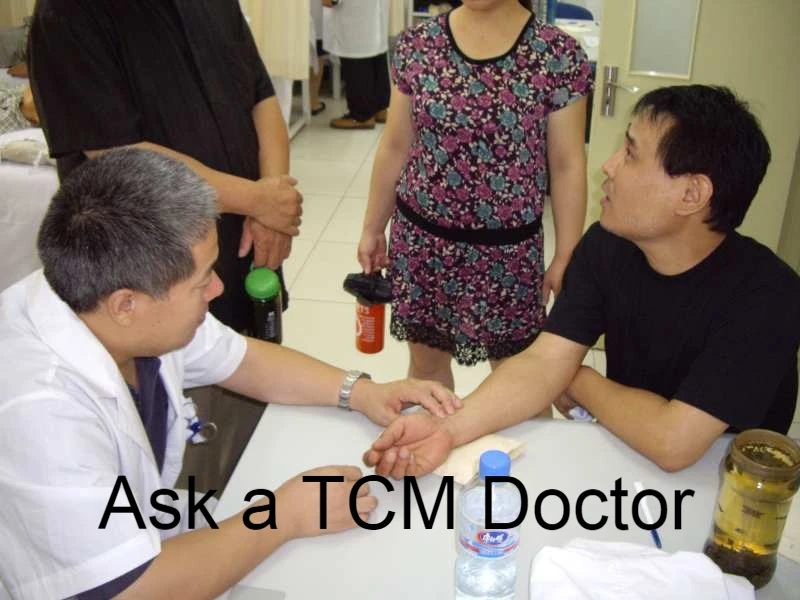
Instead of asking only about symptoms, practitioners asked detailed questions about sleep, digestion, emotions, appetite, and stress levels. They examined the tongue and pulse before recommending herbal combinations.
I remember one senior doctor telling me something that stuck in my mind:
“Your cycle is a mirror of your whole body.”
That simple sentence captures the philosophy behind Chinese medicine better than any textbook.
Lifestyle Habits That Support Your Liver and Cycle
Nutrition for Qi and Blood Flow
Diet plays an important role in Chinese medicine. Foods are viewed not only as nutrients but also as energetic influences.
Some commonly recommended habits include:
- Eating leafy greens such as dandelion, spinach, and arugula
- Choosing warm cooked meals during the premenstrual phase
- Limiting excessive caffeine and alcohol
These changes aim to support smoother circulation and reduce internal stagnation patterns.
Movement, Sleep, and Stress Regulation
Gentle movement is another cornerstone of TCM philosophy.
Practices like walking, tai chi, qi gong, or stretching help maintain Qi circulation. When the body stays active, energy is less likely to become stagnant.
Sleep also matters deeply. In Chinese medicine theory, the liver system is most active during nighttime rest. Irregular sleep schedules can therefore disrupt hormonal rhythms.
If you found this article helpful, consider joining the newsletter below the article where we regularly share practical insights about Chinese herbal traditions, women’s health, and holistic lifestyle habits.
Conclusion: A Holistic Perspective on the Endometriosis Journey
Endometriosis is a complex condition that affects far more than the reproductive system. Pain, emotional changes, fatigue, and digestive symptoms all intertwine in ways that can feel overwhelming.
Traditional Chinese Medicine approaches the situation from a different angle. Instead of focusing on one isolated problem, it looks at patterns of imbalance across the entire body — circulation, emotional health, digestion, and energy flow.
Herbal formulas like Jia Wei Xiao Yao Wan and Gui Zhi Fu Ling Wan have been used in Chinese medical practice for centuries and continue to attract scientific interest today.
While no single approach works for everyone, many women appreciate the holistic framework that Chinese medicine offers.
Sometimes the most valuable shift is not just finding new tools — but discovering a new way to understand your body.
FAQs
1. Can Chinese herbs help with endometriosis symptoms?
Some women use herbal formulas to support menstrual balance.
2. Are Jia Wei Xiao Yao Wan and Gui Zhi Fu Ling Wan the same formula?
No, they are different formulas used for different TCM patterns.
3. How long do herbal protocols usually take?
Changes in menstrual patterns are often observed over several cycles.
4. Should herbs be taken without consulting a practitioner?
Herbs can be used on your own if taken carefully and responsibly. However, it is important to learn about the herbs you are using and pay attention to proper dosage and possible interactions.
FYI: This post contains affiliate links to herbs we’ve actually tried from reliable, certified sellers. If you buy through them, you’re supporting our blog. Thanks! 🙏
5. Can TCM be combined with conventional medicine?
Many integrative clinics explore combining both approaches carefully.
Must-Read Books
One informative resource is: “Acupressure’s Potent Points: A Guide to Self-Care for Common Ailments”
👉 [See this book on Amazon paperback][Kindle]
and: “The Acupressure Bible: The Complete Self-Treatment Guide to Relieve Pain, Reduce Anxiety & Restore Energy — Your Natural Healing Companion for the Demands of Modern Life’“
👉 [Check the price on Amazon paperback][Kindle]
Acupressure Pen-Helps you apply the perfect amount of pressure with minimal effort to get a deep trigger point massage
👉 [See this book on Amazon ]
Top 3 Recommended High-Quality Herbal Formulas:
- Gui Zhi Fu Ling wan (ovary uterus clean) or ( Women’s Tonic Herbal Tea)
Used by empresses during the Han Dynasty ( royalty-level care!), this formula breaks through blood clots and relieves pain
👉 [See on Amazon –Here ]
👉 [Arcane Herbs-hand-prepared herbs– Women’s Tonic Herbal Tea– Here]
👉 [See on Ebay–Here ] - Jia Wei Xiao Yao Wan
This herbal formula is a lifesaver if your emotions get wilder than your cycle. It’s often used for PMS, moodiness, and emotional stress.
👉 [Buy on Amazon – Here]
👉 [Buy on Walmart– Here]
👉 [Arcane Herbs-hand-prepared herbs– Relaxing Herbal Tea– Here]
🎁 Get 5% OFF with this code!
Use promo code TCMHEAL5 at checkout to enjoy an exclusive 5% discount—available only at Arcane Herbs Shop.
At Arcane Herbs Shop in Chicago’s Chinatown, every formula is carefully prepared using traditional methods and natural ingredients. You can also browse and order our selections [here].