Back to School Without Stress – TCM Tips for Kids

Why the School Bell Rings Anxiety for Many Families
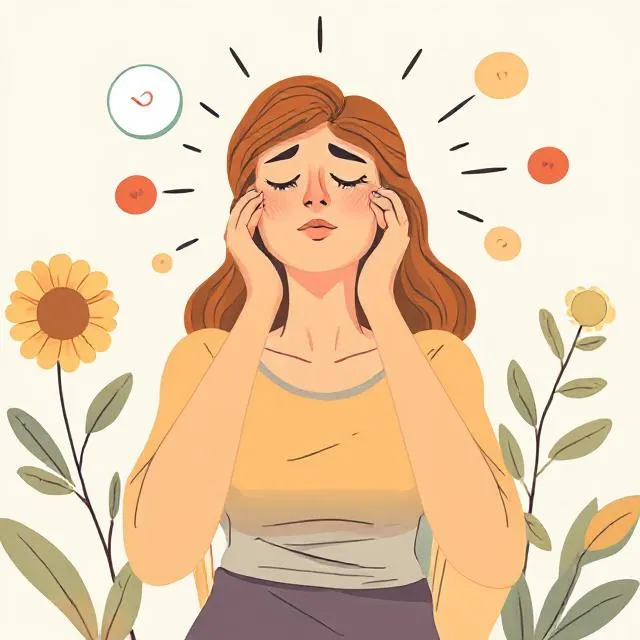
Every September, millions of kids put on new backpacks and sharpen their pencils—but behind the excitement lurks something else: stress. For some children it shows up as tummy aches, restless sleep, or morning tears. Parents feel it too—the rush of schedules, homework battles, and the pressure to keep everything balanced.
Traditional Chinese Medicine (TCM) looks at this transition in a very different way. Instead of labeling stress as “just emotions” or “normal school jitters,” TCM sees it as a disruption in the natural flow of Qi (energy) and the balance of Shen (mind/spirit). And the beauty of this perspective? It gives us down-to-earth tools to help children—and their parents—find calm in the chaos.
How TCM Understands School Stress
According to TCM, stress isn’t some abstract “mental state.” It’s energy moving in the wrong way. When Qi flows freely, children feel balanced, focused, and resilient. When it stagnates or scatters, the symptoms we know all too well begin.
- Liver Qi (Gan Qi): When it runs wild, kids become irritable, tense, or complain of stomachaches.
- Heart (Xin) and Shen: The heart houses the Shen—our spirit, clarity, and focus. If Shen is restless, children toss and turn at night or can’t concentrate in class.
- Spleen (Pi): TCM links the spleen not just with digestion but also with the ability to think and study. A tired spleen leads to fatigue, poor concentration, and low motivation.
Think of it like this: a child’s body is a little orchestra. If one instrument goes out of tune, the whole symphony feels off.
Real Stories from the Clinic
Case 1: The Anxious First-Grader
A few years ago, a mother came in with her daughter who had just started first grade. Every evening ended in tears, and almost every morning brought tummy pain. From a TCM perspective, her Liver Qi was clearly stuck.
The approach? Gentle acupressure on points like Nei Guan (PC6) and Tai Chong (LIV3), along with relaxing massages at home. The mother also used a traditional herbal blend, Jia Wei Xiao Yao Wan, long valued for easing tension. Within weeks, the little girl’s body relaxed. After a month, mornings were calm, and she was actually smiling while telling stories about school.
Case 2: The Explosive Eleven-Year-Old
Another parent brought in her 11-year-old son. He was bright but volatile—snapping at his siblings, exploding before tests, and acting as if the world was ending at the slightest mistake. His pattern pointed to unbalanced Liver Qi and an unsettled Shen.
Here, we combined Tai Chong (LR3) acupressure with calming chrysanthemum tea (Ju Hua). He also learned a simple breathing exercise to “reset” his emotions. The result? Two weeks later, his teacher noticed he was calmer, more focused, and far less reactive.
These aren’t magic tricks. They’re everyday practices that help kids regulate their energy, the same way adults might go for a run or meditate.
Herbal Allies for Calm and Focus
- Jia Wei Xiao Yao Wan – A classical formula often used for irritability, restless sleep, and that “tied-in-knots” feeling.
- Ju Hua (Chrysanthemum Flower) – A mild, slightly sweet flower that not only relaxes the Shen but also helps tired eyes from too much reading or screen time.
Parents are often surprised: kids usually enjoy Ju Hua tea because it’s light and pleasant. A touch of honey makes it feel like a special evening ritual.
Acupressure: Tiny Press, Big Relief
The beauty of acupressure is that children can learn to ask for it themselves. Two points stand out:
- Nei Guan (PC6): Located on the inner forearm, this point is known for easing emotional tension and “opening the heart.” A gentle press for a minute can do wonders before bedtime or even before a test. Watch HERE
- Tai Chong (LR3): Found on the top of the foot, between the big toe and the second toe. Massaging here helps release pent-up frustration and soothes irritability.
One mother shared: “My daughter actually says, ‘Mom, can you do the hand massage that makes me calm?’ That’s when you know it’s working.”
Breathing Reset: A Simple Exercise for Parents and Kids
Here’s one practice I often teach families:
- Sit comfortably together.
- Place hands on your belly.
- Inhale through the nose to a count of 3, feeling the belly rise like a balloon.
- Exhale slowly through the mouth to a count of 5, letting the balloon deflate.
- Repeat 10 times.
This small ritual can be used before school, after homework, or as a bedtime reset. It’s like giving the nervous system a gentle hug.
Everyday TCM Habits for a Smooth School Transition
In TCM, lifestyle is as important as herbs or acupressure. What a child eats, when they sleep, and even how they walk to school can shape their Qi and Shen.
✔ Warm Breakfast = Spleen Power
Instead of cold cereal or sugary pastries, TCM recommends warm, cooked breakfasts like oatmeal with cinnamon, rice porridge, or millet with apple. These meals:
- Warm the stomach and spleen
- Provide steady energy throughout the day
- Avoid the sugar highs and crashes that fuel irritability
One young patient told his mother after a few weeks of warm breakfasts: “Mom, I don’t fall asleep in math class anymore.” Enough said.
✔ Sleep Rhythm = Happy Shen
Screens and late-night cartoons may seem harmless, but they throw off a child’s Shen. TCM wisdom says Shen thrives on routine.
- Sleep before 10 pm supports the heart and liver’s nighttime repair.
- Kids who keep regular sleep schedules wake calmer and more focused.
- Short, restless sleep disturbs Qi and emotions alike.
Try this evening ritual: a warm bath, a small cup of Ju Hua tea, one minute of Nei Guan massage—and lights out. Parents often see results in just a week.
✔ The Power of a Short Walk
Movement is like “free acupuncture.” A 10-minute walk to school smooths Qi, oxygenates the body, and helps kids shift from “home mode” to “school mode” with less friction.
TCM practitioners often joke: “Walking is the simplest needle-free treatment.” And it’s true.
Fun Facts About Stress in TCM
- Ancient Chinese texts described stress as an “inner wind” disturbing the Shen.
- Philosophers wrote: “The heart is the emperor, and emotions are ministers. If the ministers fight, the emperor cannot govern.”
- Modern studies (Journal of Integrative Medicine, 2021) found that acupressure on PC6 supports emotional balance in adolescents.
Parents as the Quiet Anchors
Children mirror the energy of their environment. When parents create calm rituals—like family dinners without phones, bedtime teas, or short evening massages—kids naturally find balance.
It doesn’t require perfection, just consistency. Think of it as planting daily “seeds of harmony” that quietly grow over time.
TCM in the Modern School World
Today’s challenges—endless screens, social pressure, academic expectations—overstimulate kids. In TCM, this is called “Heart Fire burning too brightly.”
Simple remedies often beat complicated fixes: turning off screens an hour before bed, offering a warm evening tea, or five minutes of shared breathing can reset an overstimulated nervous system.
FAQ
1. At what age can kids try acupressure?
Even very young children can benefit. The pressure is always gentle and safe.
2. Will kids drink chrysanthemum tea?
Yes! It’s naturally mild and a little sweet. Add honey for extra appeal.
3. Can TCM habits support learning and focus?
Absolutely—by supporting the spleen’s Qi and calming the Shen, kids concentrate more easily.
4. How often should Nei Guan massage be done?
Every day if possible—just 1–2 minutes before school or bedtime.
5. Can TCM blend with modern medicine?
Yes, it’s not about replacing doctors but adding gentle, supportive habits.
Closing Thoughts: The Ancient Wisdom in Everyday Moments
Back-to-school doesn’t have to mean stomachaches and meltdowns. From the TCM lens, it’s a chance to bring balance into daily life with rituals as simple as warm porridge, a walk to school, or pressing a calming point on the wrist.
How could knowledge written thousands of years ago, without microscopes or brain scans, so perfectly describe the patterns we still see in children today? Was it observation? Intuition? Or something deeper—a kind of timeless wisdom about energy that modern science is only beginning to rediscover?
Maybe it’s just breakfast, sleep, and a walk. Or maybe—just maybe—it’s a glimpse into an ancient system that understood the harmony of body and spirit long before we had the words for it.
Either way, your child’s calm morning might just be the proof.
Where can I buy it?
If you’re looking for authentic, practitioner-recommended, high-quality Traditional Chinese Medicine (TCM) formulas — available globally — we recommend the following herbal products. These time-tested formulas are crafted with the finest ingredients and are widely used to support emotional balance, digestion, energy, and overall wellness.
FYI: This post contains affiliate links to herbs we’ve actually tried from reliable, certified sellers. If you buy through them, you’re supporting our blog. Thanks! 🙏
Top Recommended High-Quality Herbal Formulas:
Before you decide to buy, check the detailed description and reviews in several stores to see if this product is right for you!
- Jia Wei Xiao Yao Wan
An emotional & digestive support champion. It helps release stress, ease bloating, PMS
👉 [Buy on Amazon – Here]
👉 [Buy on Walmart– Here] - Xiao yao wan
Balances emotions and Qi
👉 [Buy on Amazon – Here]
👉 [Buy on Walmart – Here] - Suan zao ren wan
It calms internal restlessness and supports restful sleep.
👉 [Buy on Amazon –Here ]
👉 [Buy on Walmart – Here] - Ju Hua
A favorite for chronic stress patterns.
👉 [Buy on Amazon –Here ]
👉 [Buy on Walmart – Here] - Gan Mai Da Zao Wan – Comforts a restless Shen during emotional turbulence.
👉 [Buy on Amazon –Here ]
👉 [Buy on Amazon – Here]
These formulas are based on ancient herbal wisdom and are used by TCM practitioners worldwide. Be sure to consult a professional for personalized advice.
🎁 Get 5% OFF with this code:
Use promo code TCMHEAL5 at checkout to receive an exclusive 5% discount—only at Arcana Herbs Shop.
At Arcana Herbs Shop, every formula is handcrafted with care, using time-honored traditions and natural ingredients👉( HERE)
Want more tips? Discover how Traditional Chinese Medicine can naturally support emotional balance in Ask a TCM Doctor archive.
Sharing the wisdom of Traditional Chinese Medicine is our passion and calling.
If these words resonate with you, and you’d like to help me keep creating, consider offering a symbolic cup of green tea or support through Ko-fi.
Your kindness nurtures this work — like qi flows through the meridians.
You might find these articles interesting:
NIGHTMARES AND CHINESE MEDICINE: WHAT YOUR DREAMS ARE REALLY TELLING YOU
“IS WORRY EATING YOU ALIVE?”HOW CHINESE MEDICINE EXPLAINS IT
MOLD TOXINS IN THE BEDROOM – THE HIDDEN SLEEP KILLER
Newsletter o zdrowiu z TCM
Wyrusz w podróż po mądrość Tradycyjnej Medycyny Chińskiej.
Dołącz do newslettera i co tydzień otrzymuj porady oraz nowe artykuły prosto na swoją skrzynkę.
TCM Health Newsletter
Embark on a journey into the wisdom of Traditional Chinese Medicine.
Join the newsletter and receive weekly tips and new articles delivered straight to your inbox.