Best Natural TCM Healing Tips for Alcohol Addiction

Dr. Tomasz Borecki is a specialist in Traditional Chinese Medicine (TCM) with over 25 years of experience. He was educated in China, where he developed his expertise in Eastern medicine. He actively promotes TCM in Poland and internationally. More information can be found in the “About Us” section.
Introduction – A Real Talk About Drinking
Let’s be real for a second — most of us drink from time to time. A glass of wine with dinner, a few beers with friends, something stronger to take the edge off after a long day. It’s normal, it’s social, and honestly, it can feel good in the moment. But the line between “once in a while” and “a bit too often” is thinner than we like to admit. And when that line gets crossed, your body usually knows long before you consciously do.
At first, the signals are easy to ignore. Maybe your sleep isn’t as deep as it used to be. You wake up feeling tired, even after a full night in bed. Your mood starts to shift — small things annoy you more than they should, or you feel oddly low for no clear reason. There’s this subtle inner tension, like you can’t fully relax, even when nothing is wrong on the surface.
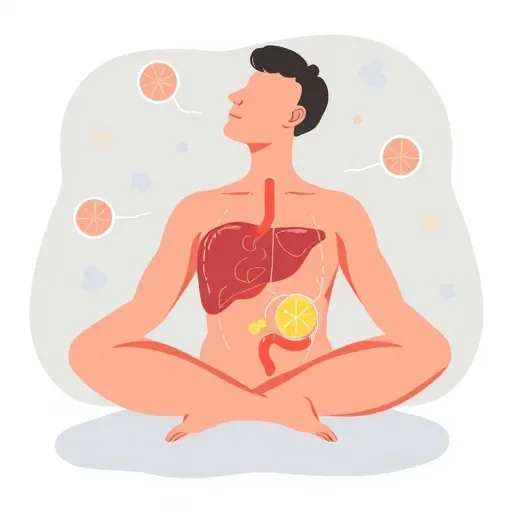
According to Traditional Chinese Medicine, these aren’t random symptoms. Think of them as messages — your body trying to tell you that something is out of balance. In this system, alcohol is seen as something that generates heat and disrupts your natural flow of energy. So if your system is already a bit “overheated” or stressed, adding alcohol is like pouring fuel on a fire that’s quietly been burning in the background.
A More Complete Way of Seeing Yourself
In Traditional Chinese Medicine (TCM), you’re not just a physical body made of organs and systems. You’re a whole experience — your emotions, daily habits, energy levels, thoughts, and even how you sleep all connect and influence each other. Everything is linked.
So when alcohol starts becoming a regular thing, TCM doesn’t just look at your liver or digestion. It looks at the bigger picture. Are you more tense lately? Sleeping worse? Feeling off emotionally? That’s all part of the same story.
Alcohol as “Fire” in the Body
In TCM terms, alcohol is considered “heating.” It brings warmth and movement at first — which is why it can feel relaxing or loosening in the moment. But over time, especially when used often, that heat builds up.
And too much internal heat doesn’t feel good. It shows up as restlessness, poor sleep, irritability, or that wired-but-tired feeling. It’s like your system is constantly slightly overheated, even when you’re trying to rest.
When Liver Qi Gets Stuck
One of the first things affected is what TCM calls Liver Qi — basically the smooth flow of your internal energy and emotions. When alcohol is overused, that flow can get blocked.
You might notice you’re more easily annoyed, holding tension in your body, or unable to properly unwind. Even relaxing feels harder than it should. That’s a classic sign of stagnation — things aren’t moving the way they’re meant to.
When Your Inner “Engine” Slows Down
TCM also talks about the Spleen as your source of energy and clarity — like an internal engine that keeps everything running smoothly. Too much alcohol weakens this system.
Instead of feeling clear and motivated, you feel heavy, sluggish, maybe even foggy in your thinking. It’s harder to focus, harder to get going, and everything feels like it takes more effort than usual.
The Simple Way to Picture It
Imagine turning the heat up in your house all the way… but never opening a window. At first, it feels cozy. But soon the air gets thick, stuffy, and uncomfortable. You can’t breathe properly, and everything feels off.
That’s what frequent alcohol use looks like from a TCM perspective — too much heat, not enough flow, and a system that just wants a bit of balance back.
Understanding Energy Basics in TCM
Yin & Yang Disruption
Alcohol pushes Yang (the hot, active aspect) way too high, while Yin (the cooling, calming aspect) becomes overwhelmed. The result? Overstimulation, tension, and difficulty relaxing.
Qi and Blood Imbalance
When the flow of Qi is disrupted, the whole body feels off — your sleep, digestion, mood, and even motivation take a hit.
TCM aims to gently bring everything back into harmony.
Herbal Allies That Support Balance
You know those days when nothing feels seriously wrong… but nothing feels quite right either? Your body is tired, your mind is restless, and it’s like the two just aren’t on the same page. That’s exactly where gentle herbal support can make a difference — not as a quick fix, but as a steady, grounding presence.
In Traditional Chinese Medicine, herbs aren’t treated like magic pills. They’re more like quiet companions. They don’t force change — they support it. When used regularly and with a bit of awareness, they help your body find its way back to balance, step by step. Think of them as something you build into your rhythm, like a calming tea in the evening or a moment of pause in a busy day.
Kudzu (Pueraria lobata)
Kudzu is one of those herbs that works quietly in the background but can make a noticeable difference over time. It’s traditionally used to help the body reset after frequent alcohol use, gently supporting a return to more natural balance.
People often reach for it when they feel that internal “off” feeling — low energy, slight irritability, or a sense that their system needs a reset. It’s also known for helping with cravings and encouraging smoother energy flow, which can make both body and mind feel a bit more at ease.
Kudzu( Ge gen)
Helps the body regain natural balance after frequent drinking
👉 [See on Amazon]
👉 [Check on IHerb]
Jia Wei Xiao Yao Wan
This classic herbal formula is often used when emotions feel a little all over the place. If stress, tension, and mood swings have been building up, this is the kind of support that helps take the edge off — gently, not forcefully.
It’s especially helpful when emotional overload and physical discomfort show up together. You might feel tense, slightly overheated, or just uncomfortable in your own skin. This formula works to calm that internal “noise” and bring a sense of ease back into the system.
👉 [Check out Arcane herb shop (herbal products are handcrafted)]
Chai Hu Shu Gan Wan
When frustration builds up — in your mood or even in your digestion — this formula is often part of the conversation in TCM. It’s used to help things move again, both emotionally and physically.
People often describe feeling stuck, irritable, or bloated, like everything is a bit backed up. Chai Hu Shu Gan Wan supports the smooth flow of Qi, which can help lift your mood, ease tension, and bring back a sense of lightness.
Chai hu shu gan wan or Shu gan wan
A favorite for chronic stress patterns.
👉 [See on Amazon]
👉 [Check on Ebay]
A Simple Way to Think About It
These herbs aren’t about doing something dramatic overnight. They’re about small, consistent support — helping your system cool down, move better, and feel more balanced over time.
It’s a bit like opening a window in that overheated room. Fresh air doesn’t rush in all at once, but little by little, everything starts to feel clearer, lighter, and easier to breathe.
Stories From My Time in China
Life in Beijing’s Clinics
During my studies in Beijing, I spent countless hours wandering between large hospitals and tiny herbal shops tucked into side streets. What amazed me was how naturally people reached for herbs in their daily lives — like picking up a morning coffee.
Learning From an Old Master in Zhejiang
I’ll never forget a seasoned herbalist I met in Zhejiang. He was an old master, the kind of person whose presence made you slow down and really listen. Watching him work was like watching a painter bring a canvas to life — every herb carefully chosen, every movement deliberate. He didn’t just look at the body; he “read” a person’s energy. He could sense tension in the liver, heaviness in the mind, or restlessness in the spirit, and then craft a formula that addressed all of it.
One day, a young man from the village came to him, struggling with alcohol. The herbalist didn’t scold or lecture him; instead, he carefully explained how certain herbs could gently support the body’s natural detox process, calm the mind, and restore balance to the emotions often overwhelmed by drinking. He emphasized that addiction isn’t just about willpower — it’s about healing the whole system: liver, gut, mind, and spirit.
Over the following weeks, I watched the young man slowly regain energy, clarity, and hope. The herbalist’s approach wasn’t flashy, but it worked. It taught me that overcoming alcohol dependence isn’t just about quitting; it’s about nurturing yourself back to harmony, step by step.
Real-Life Cases from TCM Clinics
Sometimes the theory makes sense… but what really sticks are real-life stories. Because this is exactly how these patterns show up — not as textbook symptoms, but as everyday struggles people quietly deal with.
Case A – Restless Nights & Irritability
One patient came in saying, “I’m exhausted, but my mind just won’t switch off.” His sleep was broken, light, and full of overthinking. During the day, he felt on edge — small things irritated him more than usual, and he couldn’t fully relax.
From a TCM perspective, this pointed to internal heat and Liver Qi imbalance. We introduced Kudzu along with Jia Wei Xiao Yao Wan as gentle, consistent support.
Nothing dramatic happened overnight — but within a few weeks, things started to shift. His sleep became deeper and more refreshing. His mood evened out. And something interesting happened along the way: without forcing it, his desire for alcohol naturally decreased. As his system became more balanced, the “need” for that extra stimulation just wasn’t as strong anymore.
Case B – Emotional Stress & Liver Tension
Another patient showed a different version of imbalance. She was dealing with constant stress — tight chest, tense shoulders, and that feeling of being emotionally overloaded. Evenings were the hardest, when everything seemed to pile up at once.
Here, we focused on moving what was “stuck.” Chai Hu Shu Gan Wan was introduced, along with simple acupressure techniques she could do at home.
Again, the change was gradual but real. Her evenings became calmer. The physical tension started to release, and emotionally, she felt more steady and resilient. Stress didn’t hit as hard, and she had more space to breathe and respond instead of react.
What These Stories Show
These aren’t miracle cures — they’re examples of what happens when the body gets the right kind of support. When balance starts to return, a lot of things improve at once: sleep, mood, energy, even habits that once felt automatic.
Sometimes it’s not about “fighting” the problem. It’s about giving your system enough support so it doesn’t need the problem anymore.
Read more : THE BETTER SLEEP & STRESS RELIEF GUIDE
Acupressure for Cleansing and Calmness
Acupressure can’t take the place of therapy or proper medical support, but it can give you those small pockets of comfort we all crave — the kind that help you slow down, reconnect with yourself, and breathe a little easier. Think of it as a gentle companion on the tougher days. Here are three points that many people find surprisingly grounding:
Tai Chong (LV3)
This point is a classic for releasing internal tension. When life feels jammed up inside — too many emotions, too many thoughts, too much everything — Tai Chong can feel like opening a window in a stuffy room. A few slow presses here often bring a soft wave of relief, like your whole system finally exhales. It’s a great one to use when you feel irritable, restless, or mentally cluttered.
Want to see exactly how to massage it? Check out the demonstration on our YouTube channel HERE
Nei Guan (PC6)
If your emotions tend to snowball into overwhelm, PC6 is the point you’ll want in your self-care toolkit. Many people describe it as an “emotional handbrake” — it helps slow racing thoughts, settle the breath, and give you a moment to collect yourself before things spiral. It’s especially helpful during stress spikes or when anxiety hits out of nowhere.
Curious how to find it and apply pressure correctly? We walk you through it step-by-step on our YouTube channel– HERE
Shen Men
Shen Men is the calm-the-chaos point — perfect for evenings when your body is tired but your mind is still running marathons. Gentle pressure here can help quiet inner chatter and smooth the transition into sleep. It’s a reliable go-to for anyone who struggles with restlessness at night or simply wants a softer landing after a long day.
Want a visual guide? You can watch the massage technique on our YouTube channel– HERE
Altogether, these points offer simple, grounding support — small moments of peace you can create with your own hands.
Read more: ACUPRESSURE PRACTICAL GUIDE
Foods That Help You Feel More Grounded
Chinese Pears
Light, hydrating, and traditionally linked to cleansing excess heat.
Hazelnuts
Considered supportive for the Liver and Qi vitality.
Jasmine Rice
Soft, gentle, and easy on the digestion — perfect when your system needs calm.
Curious Things I Noticed While Living in China
Street Herb Shops
Some vendors included tiny illustrated leaflets showing acupressure points. It was everyday wisdom shared with everyone.
Kudzu Tea Rituals
In Hangzhou, many clinics offered Kudzu-based teas — simple, comforting, and easy to use.
Everyday Use of Herbal Formulas
People treated herbs not as medicine but as part of a lifestyle of balance.
What Research Says
Studies on Kudzu
Some research suggests Kudzu may help reduce the desire for alcohol.
Evidence on Jia Wei Xiao Yao Wan
Modern research is starting to catch up with what TCM has been describing for centuries — that formulas like Jia Wei Xiao Yao Wan may have a real impact on emotional balance and overall regulation.
Some studies suggest that this formula can influence mood-related pathways and stress responses. For example, experimental research has shown that Jia Wei Xiao Yao San may help reduce depression-like symptoms and regulate brain and gut interactions linked to emotional health.
There is also evidence that related formulas (like Xiao Yao San) can support anxiety reduction, especially when combined with conventional treatment, pointing toward a broader calming and stabilizing effect on the nervous system.
While more high-quality human studies are still needed, these findings align with its traditional use — helping with mood swings, stress, and sleep disturbances by restoring internal balance rather than forcing a quick fix.
If you want to explore one of the studies directly, you can check it here:
View PubMed study on Jia Wei Xiao Yao San and mood regulation
In simple terms: the science is still evolving, but it’s increasingly pointing in the same direction TCM has always taken — supporting the system as a whole can naturally improve how you feel, think, and rest.
Gentle Daily Habits Recommended in TCM
Gentle daily habits can make a huge difference when you’re rebuilding balance, especially from an emotional or physical place that’s felt shaky for a long time. In Traditional Chinese Medicine, the idea isn’t to “push through,” but to slowly coax the body and mind back into a steadier rhythm. Here are a few simple practices that fit easily into real life and can bring a sense of grounding, especially for someone trying to break old patterns or soothe the nervous system after years of stress — including alcohol-related stress.
Mindful Walks Outdoors
There’s something incredibly healing about getting outside and letting your feet find an easy pace. You don’t need a long hike or perfect scenery — even 10–15 minutes around the block can shift how you feel. TCM often talks about “moving stagnation,” and a slow walk does exactly that. Your breath deepens, your shoulders drop, and your mind gets a break from looping thoughts. It’s a gentle way to reconnect with yourself without forcing anything.
Soft Qi Gong or Tai Chi Flow
Think of these practices as moving meditation. They help you slow down just enough to notice what’s happening inside: the tight spots, the scattered thoughts, the places that want softer edges. A few minutes of simple movements can bring your whole system into a calmer state. Many people find that when they build a tiny routine — one or two flows each morning or evening — their mind feels clearer and their cravings or emotional spikes lose some intensity.
Warm Herbal Infusions
A warm mug between your hands can be its own form of comfort. Herbal infusions like mint, kudzu, hawthorn, or dandelion have been traditionally used in TCM to support digestion and ease internal heaviness. They won’t “fix” anything on their own, but they create small moments of warmth and grounding. That alone can be powerful when you’re trying to rebuild healthier rhythms and step away from old habits.
These little rituals aren’t about perfection — they’re about making space for steadiness, one gentle choice at a time.
Conclusion – Finding Your Way Back to Yourself
Recovering balance after too much alcohol isn’t about punishment or perfection. It’s about reconnecting with your body, learning its signals, and giving it space to reset. TCM offers gentle tools — herbs, movement, acupressure, and daily rituals — that help you feel grounded again. Each small step is a return to yourself, to clarity, to inner calm.
Like the old masters would say, balance isn’t something you chase — it’s something you create, moment by moment.
And if you ever need support, you can always come back and read this article again…
FAQs
- Does Kudzu really help with alcohol cravings?
Many people find Kudzu helpful for supporting natural balance and reducing desire for alcohol. - How often should I use the Tai Chong point?
Once a day for about five minutes works well for most people. - Does food matter when using TCM methods?
Yes — certain foods help energy flow smoother and support your vitality. - How long should herbal formulas be used?
Usually a few weeks, depending on individual needs. - Can TCM be combined with other forms of therapy?
Yes, but always let your healthcare provider know.
Must-Read Books
One informative resource is: “This Naked Mind: Control Alcohol, Find Freedom, Discover Happiness & Change Your Life ”
👉 [See this book on Amazon]
Another helpful resource is: “Quit Like a Woman: The Radical Choice to Not Drink in a Culture Obsessed with Alcohol“
👉 [Check the price on Amazon]
Authentic Traditional Chinese Medicine (TCM) Herbal Formulas
If you’re looking for high-quality, practitioner-recommended TCM formulas — available globally — consider the following options. These time-tested products are crafted with care and widely used to support emotional balance, digestion, energy, and overall wellness.
Note: This post contains affiliate links to products we’ve actually tried from reliable, certified sellers. Supporting these links helps maintain our blog. Thank you! 🙏
Top Herbal Formulas
Jia Wei Xiao Yao Wan
An emotional & digestive support champion. It helps release stress, ease bloating, PCOS
👉 [See on Amazon]
👉 [Check on eBay]
Chai hu shu gan wan or Shu gan wan
A favorite for chronic stress patterns.
👉 [See on Amazon]
👉 [Check on Ebay]
Suan zao ren wan
Traditionally used to support sleep
👉 [See on Amazon]
👉 [Check on Ebay]
Yuan zhi
Clear the mind and relax
👉 [See on Amazon]
👉 [Check on eBay]
Kudzu( Ge gen)
Helps the body regain natural balance after frequent drinking
👉 [See on Amazon]
👉 [Check on IHerb]
These formulas are based on ancient herbal wisdom and used worldwide by TCM practitioners. Be sure to consult a professional for personalized advice.
🎁 Get 5% OFF with this code!
Use promo code TCMHEAL5 at checkout to enjoy an exclusive 5% discount—available only at Arcana Herbs Shop.
At Arcana Herbs Shop in Chicago’s Chinatown, every formula is carefully prepared using traditional methods and natural ingredients. You can also browse and order our selections [here].
Sharing the wisdom of Traditional Chinese Medicine is our passion and calling.
If these words resonate with you, and you’d like to help me keep creating, consider offering a symbolic cup of green tea or support through Ko-fi.
Your kindness nurtures this work — like qi flows through the meridians
These articles may interest you
THE BETTER SLEEP & STRESS RELIEF GUIDE
PRACTICAL CHINESE MEDICINE TIPS FOR CELIAC PATIENTS
NATURAL TIPS FOR BREAST CANCER RECOVERY
COLD SORE CRISIS? HERE’S WHAT TRADITIONAL CHINESE MEDICINE KNOWS
Newsletter o zdrowiu z TCM
Wyrusz w podróż po mądrość Tradycyjnej Medycyny Chińskiej.
Dołącz do newslettera i co tydzień otrzymuj porady oraz nowe artykuły prosto na swoją skrzynkę.
Nie ma newslettera? Sprawdź Spam — czasem się tam ukrywa.
TCM Health Newsletter
Embark on a journey into the wisdom of Traditional Chinese Medicine.
Join the newsletter and receive weekly tips and new articles delivered straight to your inbox.
No newsletter? Check Spam — it sometimes hides there.