Are instant noodles bad for you?
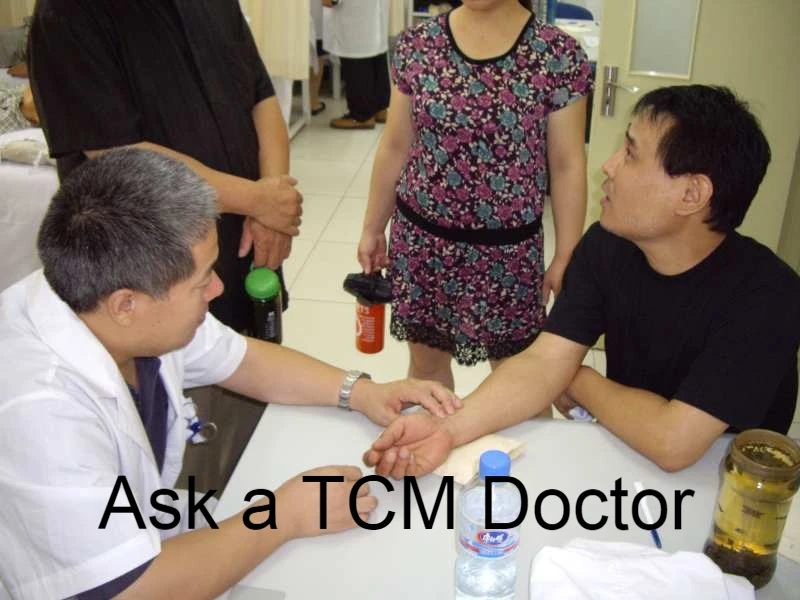

Dr. Tomasz Borecki is a specialist in Traditional Chinese Medicine (TCM) with over 25 years of experience. He was educated in China, where he developed his expertise in Eastern medicine. He actively promotes TCM in Poland and internationally. More information can be found in the “About Us” section.
Instant Noodles Under the Microscope
Ever wondered how a simple, three-minute meal can affect your energy, mood, or even your focus? It sounds surprising, but from the perspective of Traditional Chinese Medicine (TCM), every bite you take carries something more than just calories — it carries Qi, your body’s vital energy. And yes, even a quick bowl of instant noodles can influence how you feel, often more than you’d expect.
So are instant noodles just a harmless comfort food, or could they be what TCM might call a “hidden energy disruptor”? Something that feels satisfying in the moment but quietly throws your system out of balance?
During my years studying and practicing TCM in China, I saw this contrast every day. Fast-paced modern living meets ancient health wisdom — and food sits right in the middle of that clash. People grab quick, processed meals for convenience, not realizing how much those choices shape their energy, digestion, and overall well-being.
That’s why this topic matters. Because it’s not about banning foods or being extreme — it’s about awareness. When you understand how certain meals affect your body, you can make smarter choices without overthinking every bite.
Today, we’ll break down instant noodles from both angles: modern nutrition and Traditional Chinese Medicine. You’ll see what’s really happening inside your body after that quick meal — and how to enjoy convenience without sacrificing balance.
Instant Noodles Through the Eyes of TCM
Instant noodles are one of the world’s favorite fast foods — made from wheat flour, palm oil, and flavor packets full of salt, spices, and additives. Easy? Yes. But energetically? That’s another story.
In TCM, every food is analyzed through a few key properties:
- Nature (cold / cool / neutral / warm / hot)
- Flavor (sweet, salty, bitter, spicy, sour)
- Organ influence (which systems the food most affects — spleen, stomach, liver, etc.)
- Tendencies (does it create dampness shi, mucus tan, or heat re?)
Here’s how most instant noodles look through that energetic lens:
👉 Nature: slightly cool to neutral
👉 Flavor: mainly salty, sometimes spicy
👉 Effect: can weaken the spleen and stomach, the body’s digestive “engine” in TCM
👉 Tendency: promotes internal dampness (shi) and mucus (tan)
In other words: eaten occasionally, no big deal. But as a habit, especially when eaten late at night or during stress, these noodles may leave the body feeling sluggish and bloated — classic signs of spleen Qi weakness and internal dampness.
What Science Says About Instant Noodles
Okay, let’s switch for a moment from Qi to chemistry.
A large study in Korea involving over 10,000 adults found that women who ate instant noodles twice a week or more had a 68% higher risk of metabolic syndrome than those who ate them rarely.
Other studies link frequent consumption to higher blood pressure and poorer nutrient intake — lower protein, calcium, and vitamin C, but much higher sodium, fat, and calories.
A review titled “Instant Noodles: Are They Really Good for Health?” concluded that while occasional consumption isn’t dangerous, regular use may disrupt metabolic balance.
So — both science and TCM seem to agree: instant noodles are fine once in a while, but not a great foundation for your long-term health or energy.
Two Real Cases from My Practice
Theory is one thing, but nothing beats the clinic. Here are two examples that show how this plays out in real life.
Case 1: Mario, 24, Student in Wrocław
Mario worked long hours in a corporate job, often grabbing a hot instant noodle cup when he got home late. After a few months, he started to feel heavy after meals, with bloating, fatigue, and a dull ache around the navel.
In TCM diagnosis, he showed signs of spleen and stomach Qi weakness, and excess dampness. We reduced instant noodles to once a month and swapped them for light vegetable soups cooked with warming ingredients like ginger and carrot.
After two months, his digestion improved, and his energy returned — no magic, just balance.
Case 2: Joanna, 45, Shift Worker and Mother of Two
Joanna had eaten instant noodles during night shifts for years. She complained of bloating, fluctuating blood pressure, and mood swings. Her TCM pulse reading suggested spleen Qi deficiency with liver heat and dampness.
We replaced her instant meals with simple broths made from bones and vegetables, added ginger and a few Qi-tonifying herbs. After several months, she reported more stable energy and better digestion.
The takeaway? You don’t need to ban instant noodles forever — but you do need to understand how they affect your internal balance.
Interested in acupressure? Read the free beginner’s guide: ACUPRESSURE PRACTICAL GUIDE
Instant Noodles: TCM Energetic Profile
| Aspect | TCM Evaluation | Possible Effect (when eaten too often) |
|---|---|---|
| Nature | Slightly cool / neutral | Weakens spleen Qi, especially with overuse |
| Flavor | Salty, spicy | Salty affects kidneys, spicy scatters Qi |
| Tendency | Generates dampness and mucus | Promotes heaviness, sluggishness |
| Energy (Qi) | Low, non-nourishing | Consumes more Qi than it gives |
| Main organs affected | Stomach, spleen | Stagnation, poor digestion |
Three TCM Tips for Instant Noodle Lovers
Let’s be realistic: life is busy. Sometimes you just need something fast. So here’s how to make that bowl a little more Qi-friendly.
1️⃣ Modify, don’t magnify.
If you must have it, skip the powdered seasoning. Add fresh ginger, garlic, green onions, or a handful of vegetables. These add warmth and digestive support.
2️⃣ Timing matters.
Avoid eating instant noodles at night — your spleen’s energy naturally weakens after sunset.
3️⃣ Balance the flavors.
Too salty or spicy? Add naturally sweet (carrot, pumpkin) and slightly bitter foods (greens) to harmonize the Qi of the dish.
In clinic, I sometimes pair dietary changes with gentle herbal formulas like Bu Zhong Yi Qi Wan or Chai Hu Shu Gan Wan, which help regulate Qi and digestion.
A “TCM-Approved” Instant Bowl: The Green Qi Soup
If you like the idea of an upgraded noodle bowl, try this one — it’s fast but balanced energetically.
Ingredients
- 1 small portion of rice or whole-grain noodles
- 3 cm slice of fresh ginger, thinly sliced
- 2–3 garlic cloves
- 1 small carrot, julienned
- A handful of spinach or bok choy
- 3–4 dried shiitake mushrooms (soaked)
- 1 egg (optional)
- ½ tsp sesame oil
- A pinch of sea salt
- A few drops of low-sodium soy sauce (optional)
How to make it
- Boil about 750 ml of water.
- Add ginger and garlic; simmer 2 minutes.
- Add carrot and mushrooms; cook 2 minutes.
- Add noodles; cook as instructed (2–3 minutes).
- Just before finishing, add greens and a beaten egg if desired.
- Remove from heat, drizzle with sesame oil, season lightly.
TCM note: Ginger and garlic warm and support the spleen; vegetables refresh Qi; noodles provide fuel without overwhelming the digestive fire.
When Instant Noodles Are “Okay” in the Spirit of TCM
No need to be a dietary monk. TCM isn’t about strict rules — it’s about harmony and timing.
You can enjoy instant noodles occasionally when:
- You’re traveling or have no access to a kitchen
- It’s a rare treat (once or twice a month)
- You modify it with fresh, warm ingredients
- Your digestion is strong and balanced
But if you already experience fatigue after meals, bloating, or loose stool — that’s a sign your spleen Qi is struggling. In that case, skip instant foods for a few months and focus on nourishing, cooked, fresh meals first.
A Glimpse from China
During my TCM studies in China, I visited local food stalls where people made their own versions of “instant noodles.” They’d bring fresh herbs, vegetables, even local medicinal roots to neutralize the heavy nature of the packaged broth.
In Zhejiang province, I once found a stand offering herbal instant noodle bowls — a clever hybrid between convenience and balance. That’s when I realized: TCM isn’t about restriction — it’s about intelligent adaptation.
Also check out our guide: THE BETTER SLEEP & STRESS RELIEF GUIDE
The Liver’s Role — and the Power of Chai Hu Shu Gan Wan
In TCM, the liver (Gan) governs the smooth flow of Qi throughout the body. Processed, salty, and oily foods — like instant noodles — can easily disrupt that flow. The result? Tension in the chest, bloating, irritability, and emotional swings after eating.
One classical herbal blend that supports this balance is Chai Hu Shu Gan Wan (柴胡疏肝丸) — traditionally used to promote smooth Qi movement, ease digestive tension, and harmonize emotions after heavy or processed meals.
Chai hu shu gan wan
Traditionally used to promote smooth Qi movement, ease digestive tension, and harmonize emotions after heavy or processed meals.
👉 [See on Amazon – Here]
👉 [Check on Ebay – Here]
A simple, modern approach? After your rare noodle indulgence, sip a warm herbal tea or gentle digestive infusion. It helps your Qi keep moving, rather than stagnating.
Instant Noodles FAQ (TCM Style)
Q1: Should I quit instant noodles completely?
Not necessarily. Start by cutting back gradually and making small upgrades — add fresh herbs, reduce the powder seasoning, and eat them earlier in the day.
Q2: Can I just use the noodles and skip the flavor packet?
Absolutely. Plain noodles with your own broth and fresh ingredients are far less disruptive to your system.
Q3: Who should be most careful with instant noodles?
People prone to dampness, bloating, mucus, fatigue after meals, or weak digestion — basically anyone with sluggish spleen Qi.
Q4: How often is “safe”?
From my experience — no more than once or twice a month, and never as a main food source.
Q5: Are there healthier “modern instant” alternatives?
Yes — some brands now use lentil or chickpea flour, improving protein content and reducing starch. Still, energetically, they remain “dry” and processed, so moderation is key.
Conclusion: My “Instant Wisdom”
From a TCM standpoint, instant noodles aren’t villains — they’re just energetically empty. They provide quick fuel, not true nourishment. Their salty, processed nature and cool energy can quietly deplete your digestive fire if eaten too often.
But both ancient wisdom and modern science agree on one thing: moderation and mindfulness. If you understand your own Qi, support your digestion, and balance flavors, you can occasionally enjoy that steamy bowl without guilt.
So maybe the secret is this:
Instant noodles are like a spark — warm, exciting, satisfying for a moment. But if you rely on them every day, the inner flame that powers your Qi might start to dim.
Treat that spark with respect, add a little wisdom to your bowl, and let your inner lamp of Qi keep glowing bright.
👉 If this article spoke to you — sign up for the newsletter below for weekly TCM wisdom and rituals you can start today.
Must-Read Books
One informative resource is: Nutritional Healing with Chinese Medicine: + 175 Recipes for Optimal Health
👉 [See this book on Amazon paperback][Kindle]
The Chinese Medicine Cookbook: Nourishing Recipes to Heal and Thrive
👉 [See this book on Amazon Paperback][Kindle]
and: The Five Elements Cookbook: A Guide to Traditional Chinese Medicine with Recipes for Everyday
👉 [Check the price on Amazon paperback][Kindle]
Sunpentown NY-656 3-4/5-Liter Chinese Herbal Medicine Cooker with Stainless Heater
👉 [See on Amazon ]
Where can I buy it?
If you’re looking for authentic, practitioner-recommended, high-quality Traditional Chinese Medicine (TCM) formulas — available globally — we recommend the following herbal products. These time-tested formulas are crafted with the finest ingredients and are widely used to support emotional balance, digestion, energy, and overall wellness.
FYI: This post contains affiliate links to herbs we’ve actually tried from reliable, certified sellers. If you buy through them, you’re supporting our blog. Thanks! 🙏
Top Recommended High-Quality Herbal Formulas:
Before you decide to buy, check the detailed description and reviews in several stores to see if this product is right for you!
- Bu zhong yi qi wan
Digestive support champion.
👉 [See on Amazon – Here]
👉 [See on Ebay– Here] - Chai hu shu gan wan
Traditionally used to promote smooth Qi movement, ease digestive tension, and harmonize emotions after heavy or processed meals.
👉 [See on Amazon – Here]
👉 [Buy on Ebay – Here] - The Best instant noddles
For Instant Noodle Lovers
👉 [See on Amazon –Here ]
👉 [See on IHerb – Here] - Ju Hua
A favorite for chronic stress patterns.
👉 [See on Amazon –Here ]
👉 [See on Walmart – Here] - Jiao Gu lan ( for vitality)
👉 [See on Amazon –Here ]
👉 [See on IHerb – Here] - Shi quan da bu wan – Traditional formula supports both Qi and Blood
👉 [Buy on IHerb – Here]
These formulas are based on ancient herbal wisdom and are used by TCM practitioners worldwide. Be sure to consult a professional for personalized advice.
🎁 Get 5% OFF with this code:
Use promo code TCMHEAL5 at checkout to receive an exclusive 5% discount—only at Arcana Herbs Shop.
At Arcana Herbs Shop, every formula is handcrafted with care, using time-honored traditions and natural ingredients👉( HERE)
Want more tips? Discover how Traditional Chinese Medicine can naturally support emotional balance in Ask a TCM Doctor archive.
Sharing the wisdom of Traditional Chinese Medicine is our passion and calling.
If these words resonate with you, and you’d like to help me keep creating, consider offering a symbolic cup of green tea or support through Ko-fi.
Your kindness nurtures this work — like qi flows through the meridians
These articles may interest you
THE BETTER SLEEP & STRESS RELIEF GUIDE
RECIPE FOR POWER SOUP – STEP-BY-STEP GUIDE TO BOOST ENERGY
ATHEROSCLEROSIS: 3 NATURAL WAYS TO SUPPORT HEALTHY ARTERIES
Newsletter o zdrowiu z TCM
Wyrusz w podróż po mądrość Tradycyjnej Medycyny Chińskiej.
Dołącz do newslettera i co tydzień otrzymuj porady oraz nowe artykuły prosto na swoją skrzynkę.
Nie ma newslettera? Sprawdź Spam — czasem się tam ukrywa.
TCM Health Newsletter
Embark on a journey into the wisdom of Traditional Chinese Medicine.
Join the newsletter and receive weekly tips and new articles delivered straight to your inbox.
No newsletter? Check Spam — it sometimes hides there.