The Hidden Side of Hashimoto: What Traditional Chinese Medicine Can Teach Us
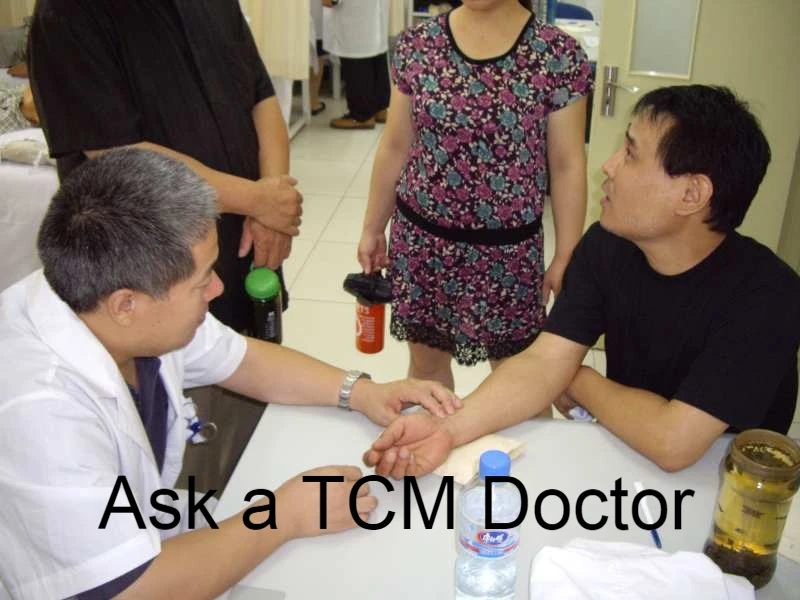

Dr. Tomasz Borecki is a specialist in Traditional Chinese Medicine (TCM) with over 25 years of experience. He was educated in China, where he developed his expertise in Eastern medicine. He actively promotes TCM in Poland and internationally. More information can be found in the “About Us” section.
Hashimoto’s isn’t just a thyroid problem — it’s like your body turning on itself. You’re exhausted, gaining weight, losing hair, freezing even in summer, and sometimes feel like you’re slipping into depression. Sound familiar?
In Traditional Chinese Medicine (TCM), we don’t use the word “Hashimoto.” Instead, we talk about energy imbalances, weak Kidneys, a sluggish Liver, and an overwhelmed Spleen.
Sometimes it’s:
- Kidney Yin Deficiency
- Internal Heat (yep, even if you feel cold!)
- Liver Qi Stagnation that’s messing with your digestion and mood
And your body? It’s literally begging you to slow down. But what do we do? Drink more coffee and keep pushing.
Foggy brain? Cold hands? Mood swings?
You’re not crazy — these are real signs.
Your lab tests might say you’re “fine.” But you feel anything but fine. That’s where TCM comes in — it sees the whole picture, not just hormone levels.
Real People, Real Results (My Clinical Experience)
Kasia, 38 — lived on stress, coffee, and skipped meals. After 3 months of acupuncture + herbs (Zhi Bai Di Huang Wan):
✔ Energy came back
✔ Sleep improved
✔ Brain fog cleared
Anna — had Hashimoto for years, but came in for painful periods. We used Jia Wei Xiao Yao Wan + a Liver-calming diet.
✔ Pain reduced
✔ Mood stabilized
✔ Thyroid levels improved
What the Herbs Actually Do
Zhi Bai Di Huang Wan: Think of it as a cool breeze on an overheated system. Great if you’re sweating at night, have dry throat, or feel anxious.
Jia Wei Xiao Yao Wan: Balances your mood, calms the Liver, helps with digestion — perfect for PMS, emotional rollercoasters, and thyroid funk.
A Healing Soup You’ll Actually Want to Eat
- Carrot
- Pumpkin
- Ginger
- Red lentils
- Maldon salt (flaky magic)
- Sesame oil
Simmer for 40 minutes. Warm. Nourishing. Your Spleen will love you for this.
So… What’s TCM Really Saying About Hashimoto?
In TCM, there’s no literal word for “thyroid,” but the functions and symptoms line up perfectly with imbalances in your Liver, Kidneys, and Spleen.
Liver – The Emotion + Hormone Gatekeeper
Western science says: Liver converts T4 to T3.
TCM says: Liver governs the flow of Qi and emotions. If you’re constantly angry or bottling up feelings? Your thyroid will feel it.
Kidneys – Your Hormonal Battery
They store your life essence (Jing), which fuels hormones. Weak Kidneys = cold feet, fatigue, low libido, hair loss. Sound familiar?
Spleen – Your Energy Factory
It turns food into Qi. But it hates cold salads, raw smoothies, and stress. If it’s weak: brain fog, low immunity, bloating, cravings.
Now imagine all three of these are out of balance. Your thyroid never stood a chance.
Why Women Get Hit Harder
Western docs say “hormones, autoimmunity, genetics.” TCM says: Women naturally have more Yin energy, and Yin gets depleted by overworking, dieting, childbirth, lack of sleep, and non-stop hustle.
When Yin runs low, heat builds up inside, emotions go haywire, and guess what? Your thyroid takes the hit.
East + West = Your Best Shot
Don’t ditch your endocrinologist. But don’t ignore your energy system either. Combine both — medication and TCM — for long-term balance.
You’re Not Broken. You’re Just Out of Balance.
Your body isn’t attacking you out of spite. It’s calling out for support. TCM doesn’t “cure” — it rebalances. And when you do that? Healing happens.
The Hidden Side of Hashimoto: What Traditional Chinese Medicine Can Teach Us
Hashimoto’s thyroiditis is one of the most common autoimmune diseases today, especially among women. In Western medicine, it’s seen as the immune system mistakenly attacking the thyroid gland, leading to fatigue, brain fog, weight gain, and cold sensitivity. But in Traditional Chinese Medicine (TCM), things are looked at very differently — and in many ways, more holistically.
1. TCM Doesn’t Have a “Thyroid” — But That Doesn’t Mean It’s Ignored
In TCM, there is no word for “thyroid” because traditional Chinese doctors didn’t study anatomy like in Western science. But the symptoms of thyroid dysfunction were well known — just described through different organs and energies. Instead of treating the thyroid directly, TCM focuses on rebalancing the entire body system: mainly the Liver, Kidneys, and Spleen.
2. Hashimoto = Yin-Yang Imbalance
TCM views Hashimoto’s as a result of imbalances in Yin and Yang, the fundamental forces of the body. Often, patients show signs of Yin Deficiency, meaning the body lacks cooling, nourishing energy. That can cause internal heat (even if your hands are cold!) — leading to anxiety, insomnia, dry throat, and night sweats.
3. Emotions Play a Huge Role
In TCM, emotions aren’t just mental — they directly affect the organs. Anger, frustration, and suppressed emotions are said to harm the Liver, which in turn affects the smooth flow of Qi (energy) in the body. And here’s the kicker: the Liver in TCM is connected to hormonal regulation and even helps convert inactive thyroid hormones into active ones.
So yes, holding in your anger could literally affect your thyroid.
4. Brain Fog = Spleen Qi Deficiency
If you often feel mentally “foggy,” can’t concentrate, or feel heavy-headed, TCM points to Spleen Qi Deficiency. The Spleen (not the anatomical one, but an energetic organ in TCM) transforms food into usable energy. If it’s weak — from stress, poor diet, or overthinking — your mind feels sluggish.
5. Tired but Wired? That’s “False Heat”
Many Hashimoto’s patients describe feeling exhausted but also anxious or restless — especially at night. This is what TCM calls “Empty Heat” or “False Fire” — heat rising from deep Yin Deficiency. You may feel hot at night, get dry skin, or experience palpitations — even if your body feels cold during the day.
6. The Kidneys Are Key
In TCM, the Kidneys store your Jing (life essence) — the stuff that governs hormones, reproduction, and energy. Chronic stress, poor sleep, and overworking all drain your Kidney energy. If the Kidneys are weak, you might feel constant fatigue, low libido, hair loss, and sensitivity to cold — all classic Hashimoto’s signs.
7. Raw Foods Can Make Things Worse
While green smoothies and raw salads are praised in the West, TCM says “no thanks.” Cold, raw foods are hard on the Spleen, which prefers warmth. If you already have a weak digestive system (hello bloating, brain fog, cold limbs), switching to warm, cooked meals can work wonders.
8. Herbal Formulas Target the Root Cause
Two common formulas used in TCM for Hashimoto-type symptoms are:
- Zhi Bai Di Huang Wan: Nourishes Kidney Yin, clears internal heat
- Jia Wei Xiao Yao Wan: Moves Liver Qi, reduces stress, and harmonizes emotions
They’re not one-size-fits-all, though. A good TCM practitioner will tailor herbs to your body’s unique constitution.
9. Acupuncture Helps Regulate Hormones
Studies show acupuncture can reduce inflammation, balance the HPA axis (hypothalamus–pituitary–adrenal), and improve thyroid function. Plus, it reduces stress, which is half the battle in autoimmune diseases.
10. Healing Is About Balance, Not Just Numbers
Western doctors often rely on blood tests. TCM looks at how you feel — not just what’s on paper. It treats you as a whole person, not just a diagnosis. Healing from Hashimoto’s in TCM is about restoring harmony, not suppressing symptoms.
Final Thought
Hashimoto’s is more than a thyroid issue — it’s a full-body imbalance with emotional, hormonal, and energetic roots. TCM offers a rich, time-tested approach to healing that sees beyond lab results — and listens to what your body is really saying.
FAQ — No BS Answers
Can I mix herbs + meds?
Yes. Just do it under guidance.
How long does herbal therapy take?
3–6 months for noticeable shifts.
Does acupuncture hurt?
Nope. Most people fall asleep.
Do I need to be vegan?
No. Just avoid cold, raw junk.
Can Hashimoto be reversed?
We aim for remission and real relief — and yes, it’s possible.
Where can I buy it?
If you’re looking for authentic, practitioner-recommended, high-quality Traditional Chinese Medicine (TCM) formulas — available globally — we recommend the following herbal products. These time-tested formulas are crafted with the finest ingredients and are widely used to support emotional balance, digestion, energy, and overall wellness.
FYI: This post contains affiliate links to herbs we’ve actually tried from reliable, certified sellers. If you buy through them, you’re supporting our blog. Thanks! 🙏
Top Recommended High-Quality Herbal Formulas:
- Jia wei xiao yao wan or Xiao yao wan
Balances your mood, calms the Liver, helps with digestion
👉 [Buy on Amazon – Here]
👉 [Buy on Walmart– Here]or [Arcana herbs Here] - Zhi bai di huang wan or Liu wei di huang wan
This one cools down that inner heat and supports kidney Yin — great if you’ve got that “burning up from inside” feeling.
👉 [Buy on Amazon –Here or Here]
👉 [Buy on IHerb – Here]
These formulas are based on ancient herbal wisdom and are used by TCM practitioners worldwide. Be sure to consult a professional for personalized advice.
🎁 Get 5% OFF with this code:
Use promo code TCMHEAL5 at checkout to receive an exclusive 5% discount—only at Arcana Herbs Shop.
At Arcana Herbs Shop, every formula is handcrafted with care, using time-honored traditions and natural ingredients
Want more tips? Discover How Traditional Chinese Medicine Can Naturally support hashimoto In the Ask a TCM Doctor Archive
You might find these articles interesting:
VARICOSE VEINS AND SPIDER VEINS – WHAT ARE THEY AND HOW TO TREAT THEM NATURALLY?
TRADITIONAL CHINESE MEDICINE’S ANSWER TO HYPERTENSION
STRUGGLING WITH JOINT PAIN? HERE’S HOW CHINESE MEDICINE CAN HELP!
Sharing the wisdom of Traditional Chinese Medicine is our passion and calling.
If these words resonate with you, and you’d like to help me keep creating, consider offering a symbolic cup of green tea or support through Ko-fi.
Your kindness nurtures this work — like qi flows through the meridians
Newsletter o zdrowiu z TCM
Wyrusz w podróż po mądrość Tradycyjnej Medycyny Chińskiej.
Dołącz do newslettera i co tydzień otrzymuj porady oraz nowe artykuły prosto na swoją skrzynkę.
Nie ma newslettera? Sprawdź Spam — czasem się tam ukrywa.
TCM Health Newsletter
Embark on a journey into the wisdom of Traditional Chinese Medicine.
Join the newsletter and receive weekly tips and new articles delivered straight to your inbox.
No newsletter? Check Spam — it sometimes hides there.