Chinese Medicine for Neuropathy Relief

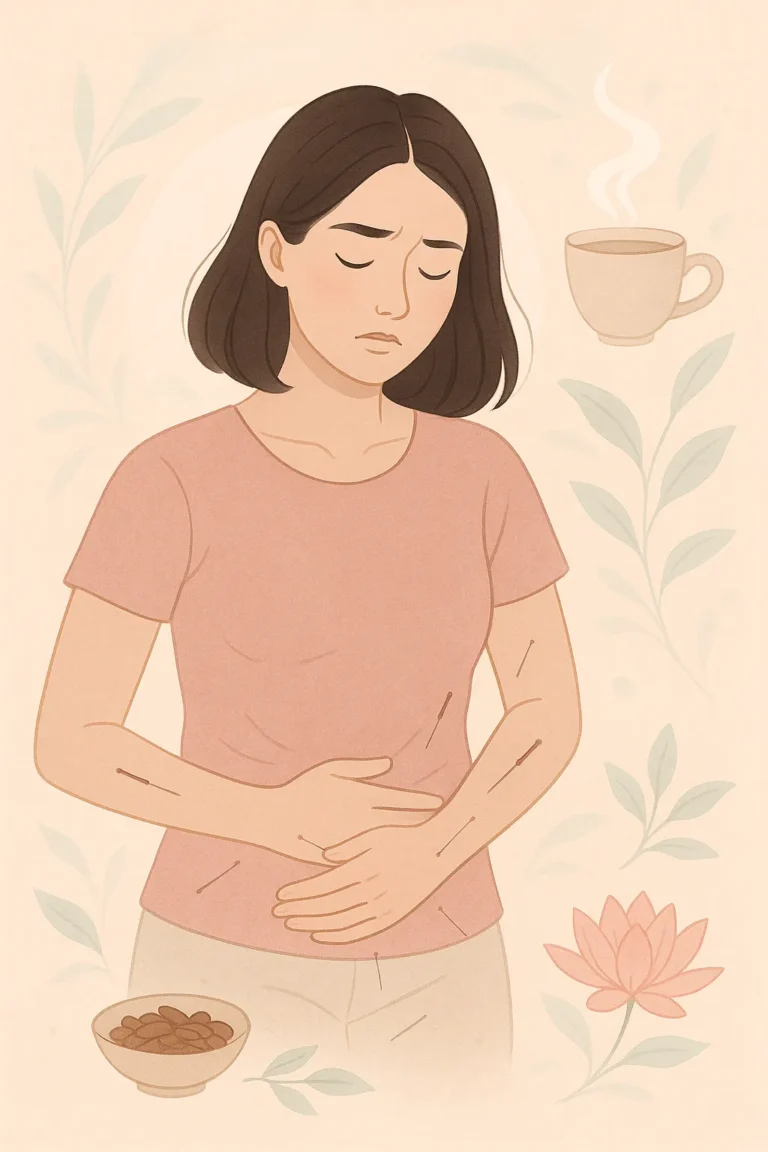
When most people hear “neuropathy,” they immediately think of nerve damage, tingling hands or feet, burning sensations, and numbness. In Western medicine, that’s exactly what it is—damage to peripheral nerves. But in Traditional Chinese Medicine (TCM), we look at it quite differently. We see blockages or stagnation in the flow of Qi (energy) and Xue (blood), or the presence of Cold, Dampness, or other imbalances in the meridians.
Neuropathy Explained in Everyday Terms
Think of your nerves as rivers. When rivers flow freely, everything works smoothly. But if something blocks them—rocks, drought, or an avalanche—you get chaos: flooding, dryness, or stagnation. That’s when symptoms appear—tingling, burning, numbness, or wobbly legs.
In TCM, we don’t attack the problem with harsh interventions. Instead, we gently support the natural processes through herbs, warmth, gentle movement, and awareness.
Case Study #1 – Mr. Andrew, 67
Mr. Andrew had been battling neuropathy for three years—numbness and burning in his feet at night, but all tests came back normal. From a TCM perspective, the issue was stagnation of Blood combined with Spleen Qi deficiency. Simply put, his body lacked the energy to nourish nerves, and blood flow was sluggish.
What I prescribed:
- Bu Yang Huan Wu Wan – a classic formula to strengthen Qi and promote healthy circulation.
- Cupping and moxibustion over his back and legs.
- Gentle Tuina massage.
Results:
- After six weeks, he slept better and reported less foot-burning.
- At three months, he excitedly said, “Now I feel I have feet again—but the burning is gone.”
Case Study #2 – Mrs. Eleanor, 54
A stressed accountant with sedentary lifestyle, she experienced numb hands, wrist discomfort, and profound mental fatigue. She struggled to fall asleep and even harder to wake up.
TCM diagnosis: Liver Qi stagnation with Blood deficiency—classic for overworked, emotionally burdened individuals.
Prescribed:
- Shu Gan Wan to restore smooth Liver Qi flow.
- Jia Wei Xiao Yao Wan to ease emotional tension and support the digestive system.
Daily habits:
- Stretching Liver meridian gently.
- No coffee after 3 p.m.
- Warm breakfasts were key.
Results:
In just two weeks, she told me: “I had a full night’s sleep without waking up—for the first time in years.”
Herbal Formulas That Bring Relief (Chosen Individually)
🫖 Shu Jing Huo Xue Wan
Think of this as unlocking rusty joints. Perfect for those “pins and needles” feelings, tight shoulders, or lower limb numbness. It promotes smooth Qi and Blood flow—great for chronic tension or postural stagnation.
🫖 Jia Wei Xiao Yao Wan
An emotional & digestive support champion. It helps release stress, ease bloating, PMS, headaches, and internal tension. In clinic, patients often say: “I feel calmer, lighter—my stomach isn’t holding onto tension.”
🫖 Shu Gan Wan
Ideal for people who’re emotionally blocked—stress, relationship tension, or mental pressure. It eases chest tightness, tension around the ribs, and restores easy Qi flow.
🫖 Bu Yang Huan Wu Wan
My go-to for muscle weakness, mild numbness, or lingering sluggishness—often after illness or burnout. This formula boosts Qi, invigorates Blood, and reactivates meridian pathways. Many say, “I feel like I’m finally inside my body again.”
Three Daily TCM Tips to Support Nerve Health
✔️ Move Your Qi Daily – Consistency Over Intensity
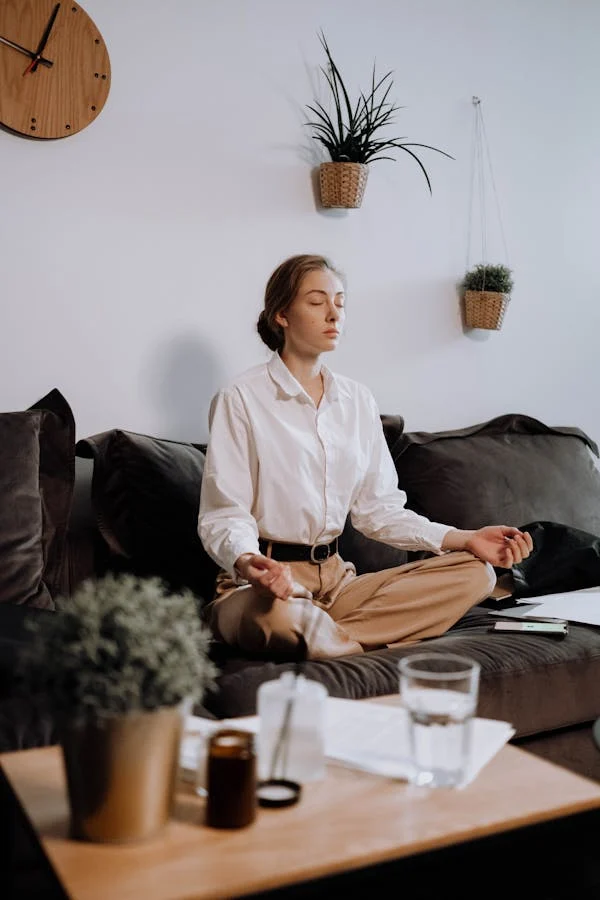
You don’t need a hardcore gym session to feel energized and balanced. Just 15 minutes of mindful movement each day—whether it’s a gentle walk, a few Qigong exercises, or simple breathwork—can profoundly shift your internal state. Think of it like vacuuming your internal energy channels. When Qi (life force energy) is stagnant, you might feel foggy, tired, or anxious. But when it flows freely, clarity, calm, and vitality return. Even if you’re desk-bound, a few conscious breaths—inhale deeply, exhale slowly—can work wonders. Regularity is the secret weapon here: it’s better to move mindfully every day than to overexert yourself once a week. Over time, this steady rhythm becomes a reliable source of balance and resilience.
✔️ Stay Warm—Especially Your Extremities
In traditional Chinese medicine, warmth is a sign of strong Yang energy—your body’s active, protective force. Cold hands and feet often indicate a lack of Yang, especially in the winter months or when you’re overworked. It’s not just about comfort; keeping warm supports healthy circulation and nerve relaxation. Invest in cozy socks and avoid walking barefoot on cold floors. A nightly ritual that’s both soothing and therapeutic is a warm foot soak. Add slices of fresh ginger to a basin of hot water, and you’ll be wrapping your nervous system in a calming cocoon. This small act has a big impact—improving sleep, easing tension, and grounding your energy after a long day.
✔️ Eat to Nourish Qi and Blood—Fuel Your Inner Fire
Your body isn’t just a machine—it’s a delicate ecosystem. In Chinese medicine, food is more than fuel; it’s medicine. Cold, raw foods—like salads, smoothies, and iced drinks—can dampen your digestive fire, weakening the spleen’s ability to extract Qi and produce Blood. Instead, nourish yourself with warming, cooked meals that are easy to digest and rich in natural energy. Think hearty soups, slow-cooked stews, roasted root vegetables, and grains like millet or rice. Black beans and red dates are renowned for building Blood, while warming spices like ginger and cinnamon gently stimulate circulation and metabolism. These foods don’t just fill your belly—they fortify your core and support your emotional and physical balance. Especially during colder seasons or times of stress, choosing warm, grounding meals can make a remarkable difference in your mood, digestion, and energy.
Incorporating these simple habits into your daily routine isn’t just about general wellness—it’s a powerful way to support and soothe your nervous system. In TCM, the health of your nerves is closely linked to the smooth flow of Qi and Blood, the warmth of your Yang energy, and the nourishment of your core organs, especially the Liver, Spleen, and Heart.
When Qi moves freely, tension is released. When Blood is abundant and well-nourished, your mind feels calmer, your sleep deeper, and your mood more stable. When warmth reaches your extremities, it signals a sense of safety and groundedness—essential for a well-regulated nervous system.
Mindful movement acts like an internal massage for your nerves, loosening tightness, improving circulation, and clearing mental fog. Gentle breathwork—especially slow, deep abdominal breathing—activates the parasympathetic nervous system, shifting you out of fight-or-flight and into rest-and-digest. This alone can ease anxiety, sharpen focus, and calm racing thoughts.
Keeping warm, especially your feet and lower back (where the Kidney energy resides), helps conserve vital Qi and protects the nervous system from being drained. In TCM, exposure to cold can “invade” the body and lead to stiffness, fatigue, or feelings of emotional numbness. Wrapping yourself in warmth is like shielding your nervous system with a soft, energetic buffer—it makes you feel safe, supported, and calm from the inside out.
And food? It’s your daily dose of nerve tonic. When you eat warm, blood-building meals, you’re essentially feeding your nervous system what it craves to regenerate. Nutrient-rich, slow-cooked dishes soothe the gut—which in Chinese medicine is closely tied to mental clarity and emotional regulation. Meals with red dates, black beans, ginger, and root vegetables not only fuel your day but also anchor your energy, stabilize your emotions, and promote deep rest at night.
A stronger nervous system isn’t built in a day—it’s cultivated through daily rituals. These small, consistent TCM practices are less about doing more and more about doing what actually works for your body’s natural rhythms. Think of them as quiet acts of self-respect. The more you support your Qi and Blood, keep warm, and eat in harmony with the seasons, the more your nerves can unwind, reset, and thrive.
So, breathe deeply, nourish warmly, and move gently. Your nervous system will thank you—with steadiness, clarity, and peace.
🔬 Surprising Tidbits & Clinical Insights
- TCM’s ancient texts described neuropathy as “Wei Zheng”—a condition of limb weakness and wasting.
- A simple moxa treatment on point ST36 (Zusanli) often feels like heating a frozen river—slowly flowing warmth that eases pressure.
- A 2021 study in the Journal of Traditional Chinese Medicine showed Bu Yang Huan Wu Wan helps restore peripheral nerve function and reduce numbness.
- Tuina massage at point KD1 (Yongquan) on the sole often brings a surprising sense of openness and release—many patients report it feels like a “reset button.”
Simple Qi‑and‑Blood Boosting Recipe
Ginger & Black Sesame Tea
- 1 tsp black sesame seeds
- 2 thin slices fresh ginger
- 1 cup water
- 1 date, pitted
Simmer for 10 minutes. Sip warm, ideally in the morning. It’s gentle, nourishing, and feels like a hug for your digestive and nerve systems.
FAQs – Straight Answers
Is neuropathy always serious?
Not in TCM—it’s often a signal that Qi and Blood circulation need support.
Are these herbs safe?
They’ve been used effectively for centuries, but should be chosen individually. Always consult a trained TCM practitioner.
How long until I notice changes?
Healing isn’t instant. Some people feel relief in 4 weeks, others around 3 months—body rhythms vary.
Can I use acupuncture with neuropathy?
Absolutely. Acupuncture is a key part of TCM, helping to regulate Qi flow and support nerve function.
The Final Take
Your body wants to feel good. It’s not broken—it’s communicating. TCM doesn’t fix it with drugs; it lovingly tunes your internal systems—energy, warmth, balance. And often, that’s enough for tingling, burning, numbness to ease—and for you to say…
“I can’t believe how simple it felt—but I feel different.”
Where can I buy it?
If you’re looking for authentic, practitioner-recommended, high-quality Traditional Chinese Medicine (TCM) formulas — available globally — we recommend the following herbal products. These time-tested formulas are crafted with the finest ingredients and are widely used to support emotional balance, digestion, energy, and overall wellness.
FYI: This post contains affiliate links to herbs we’ve actually tried from reliable, certified sellers. If you buy through them, you’re supporting our blog. Thanks! 🙏
Top Recommended High-Quality Herbal Formulas:
Before you decide to buy, check the detailed description and reviews in several stores to see if this product is right for you!
- Jia Wei Xiao Yao Wan
An emotional & digestive support champion. It helps release stress, ease bloating, PMS
👉 [Buy on Amazon – Here]
👉 [Buy on Walmart– Here] - Move Ease Herbal Tea( Arcana Herbs)
Numbness or tingling in the legs
👉 [Buy on Arcana – Here] - Recommended Book-“You Can Cope With Peripheral Neuropathy: 365 Tips for Living a Full Life“
👉 [Buy on Amazon –Here ] - Shu gan san
Ideal for people who’re emotionally blocked—stress, relationship tension, or mental pressure
👉 [Buy on Walmart –Here ] - Bu Yang Huan Wu Wan
a classic formula to strengthen Qi and promote healthy circulation.
👉 [Buy on Amazon –Here ]
These formulas are based on ancient herbal wisdom and are used by TCM practitioners worldwide. Be sure to consult a professional for personalized advice.
🎁 Get 5% OFF with this code:
Use promo code TCMHEAL5 at checkout to receive an exclusive 5% discount—only at Arcana Herbs Shop.
At Arcana Herbs Shop, every formula is handcrafted with care, using time-honored traditions and natural ingredients
Want more tips? Explore how Traditional Chinese Medicine can naturally reduce neuropathy in the Ask a TCM Doctor archive.
You might find these articles interesting:
VARICOSE VEINS AND SPIDER VEINS – WHAT ARE THEY AND HOW TO TREAT THEM NATURALLY?
TRADITIONAL CHINESE MEDICINE’S ANSWER TO HYPERTENSION
STRUGGLING WITH JOINT PAIN? HERE’S HOW CHINESE MEDICINE CAN HELP!
Sharing the wisdom of Traditional Chinese Medicine is our passion and calling.
If these words resonate with you, and you’d like to help me keep creating, consider offering a symbolic cup of green tea or support through Ko-fi.
Your kindness nurtures this work — like qi flows through the meridians..
Newsletter o zdrowiu z TCM
Wyrusz w podróż po mądrość Tradycyjnej Medycyny Chińskiej.
Dołącz do newslettera i co tydzień otrzymuj porady oraz nowe artykuły prosto na swoją skrzynkę.
TCM Health Newsletter
Embark on a journey into the wisdom of Traditional Chinese Medicine.
Join the newsletter and receive weekly tips and new articles delivered straight to your inbox.