Burned Out?How to Reset Your Inner Battery
When Life Feels Heavy…
Ever wake up, stare at the ceiling, and think, “Not today…”?
The alarm’s ringing, coffee’s brewing, yet you feel like your body’s running on autopilot. The weekend flies by faster than a breath, and Monday greets you with the same dull weight pressing on your chest. On paper, your life looks fine—job, roof, friends—but deep down there’s that quiet emptiness.
Like someone unplugged your internal charger… and forgot to plug it back in.
You’re not alone.
What you’re feeling isn’t just ordinary tiredness—it’s something deeper. A kind of soul-level exhaustion that seeps into everything you do. It starts quietly: putting things off, losing interest in stuff you used to enjoy, asking yourself, “What’s the point?” Then, one day, you realize that even things that once made you smile now barely register.
In Traditional Chinese Medicine (TCM), this isn’t seen as weakness or laziness—it’s a sign that your Qi, your vital life energy, is running low. Imagine your Qi as your phone battery: you’ve been using apps nonstop (work, stress, deadlines, endless notifications) but haven’t plugged into a charger (rest, joy, balance). Sooner or later, you hit 2%, still pretending everything’s fine.
According to TCM, when we lose balance between Yang (doing, activity, pressure) and Yin (rest, stillness, nourishment), our energy begins to scatter. That’s when your body and mind start sending gentle but crucial signals: mid-day sleepiness, heaviness in the head, irritability, or that overwhelming feeling of “too much.”
But maybe, just maybe, that exhaustion you feel isn’t failure—it’s a warning light, a quiet invitation to stop running and finally listen. To pause, take a deep breath, and ask yourself:
“Where did my energy go… and how can I get it back?”
Because tiredness isn’t your enemy.
It’s your inner voice whispering,
“Hey, it’s time to come home to yourself.”
How TCM Understands Burnout
In Western medicine, we often talk about “stress,” “overload,” or “lack of sleep.”
In TCM, we look deeper. Burnout is an imbalance between Yin and Yang—between action and restoration. When you live constantly in Yang mode—always doing, pushing, worrying—your Yin (the energy of calm, reflection, and rest) starts to dry up.
Qi – Your Inner Battery
Think of Qi as your personal power bank. If you keep using it without recharging—through rest, nourishing food, and stillness—your energy naturally runs out.
When Qi is depleted, it might show up as:
- heaviness or fatigue in the body
- foggy thinking
- waking up tired
- emotional numbness or apathy
Yin & Yang – The Emotional Balancing Act
Burnout is often a lack of Yin—too much fire, not enough grounding.
It’s like keeping a fireplace burning but never adding wood. Eventually, that fire eats itself up from within. The result? Irritability, frustration, emotional restlessness, and that internal “overheat” feeling you can’t shake.
Common Energy Patterns Behind Burnout (TCM View)
- Spleen & Lung Qi Deficiency – fatigue, poor focus, low appetite
- Liver Qi Stagnation – emotional tension, irritability, tight muscles
- Kidney Yin Deficiency – insomnia, night heat, dry mouth
- Heart Shen Disturbance – lack of motivation, sadness, emotional flatness
When these patterns overlap, you feel like your battery drains faster than it charges—no matter how much you sleep or eat.
A Story from Beijing: What Burnout Really Looks Like
During my studies in Beijing, I met an old TCM doctor who used to say:
“Fatigue doesn’t come from working hard. It comes from working without meaning.”
One day, a young programmer from Shanghai came in—great job, new phone, solid paycheck—but absolutely no spark in his eyes. His energy was flat. After a few weeks of herbal formulas and simple lifestyle changes, his face regained color and his posture straightened. No magic—just restored balance.
Real-Life Case Studies
Case 1 – Marta, 38:
Chronic fatigue, no appetite, foggy mind. Her tongue was pale with cracks—classic Spleen Qi deficiency. With small dietary tweaks, more rest, and a balancing herbal formula (Xiao Yao Wan), her mood and energy improved noticeably after a month.
Case 2 – Chris, 45:
A high-pressure manager describing constant tightness in the chest.
Diagnosis: Liver Qi stagnation. We introduced breathing exercises, acupressure, and a classic herbal blend (Chai Hu Shu Gan Wan). Within weeks—less irritability, calmer mind, lighter energy.
Herbal Support for Energy Balance
- Xiao Yao Wan (“Free and Easy Wanderer”) – helps smooth emotional flow
- Chai Hu Shu Gan Wan – supports relaxation and ease in times of tension
Tai Chong Point – The Hidden Reset Button
In TCM, every point on your body is like an energy switch. When pressed, it helps restore the natural flow of Qi. One of the most powerful is Tai Chong (LV3)—the “Great Surge.”
You’ll find it on your foot, between your big toe and the second toe, a few centimeters back from the webbing. This point connects directly with the Liver, the organ responsible for keeping energy and emotions flowing smoothly. When that flow is blocked, we feel anger, frustration, even sadness and no motivation—and our body becomes stiff and tense.
How to do it:
Use your thumb or index finger to press gently but firmly on Tai Chong for about 3–5 minutes. Breathe slowly.
This simple ritual helps:
- ease emotional tension
- support healthy energy flow
- calm the mind before sleep
- reduce that “tight chest” feeling
Many people notice that after a week of daily practice, they feel more grounded, more emotionally steady, and even sleep better. Pair it with deep breathing or a cup of warm herbal tea—this five-minute pause can feel like a mini vacation for your nervous system.
It’s proof that small gestures can spark big change—even in the middle of your busiest day.
(You can find a short demonstration on our YouTube channel HERE)—just look up “Tai Chong Massage” and don’t forget to subscribe for more mindful tips!)
Simple Food Tips from TCM for Emotional Balance
- Sour fruits (like plums and cherries) help gather scattered energy
- Citrus fruits support Liver Qi flow
- Fermented foods strengthen digestion and “middle fire”
A Gentle Qi-Supporting Soup
Rice Soup with Red Dates & Ginger
You’ll need:
- ½ cup jasmine rice
- 5 red dates (jujubes)
- 3 slices of fresh ginger
- a pinch of sea salt
Simmer gently for about 40 minutes and serve warm—especially after a stressful day.
This comforting bowl nourishes body and spirit alike.
Emotions, the Heart & Liver Connection
In TCM, the Liver governs the flow of emotions, while the Heart houses the Shen—our spirit or sense of joy.
Anger, frustration, and hurry “strike” the Liver.
Lack of joy weakens the Heart.
When both are balanced, you feel peaceful, focused, and grounded.
Science Catches Up
A 2022 study published in the Journal of Traditional Chinese Medicine found that herbal formulas like Xiao Yao San and Jia Wei Xiao Yao Wan supported emotional balance and improved sleep in individuals experiencing chronic stress.
Modern research is finally confirming what TCM has known for centuries—body and mind are one system.
Curious Facts from Chinese Practice
- In China, they say: “The greatest luxury is a calm breath.”
- Some doctors recommend doing absolutely nothing for 15 minutes a day to restore Qi.
- Masters can read your energy by how you walk—heavy steps mean Qi has “sunk.”
- Europeans, they say, tend to scatter their Qi—too much thinking, too little breathing.
How to Rebalance Qi in Daily Life
Bringing your Qi back into balance doesn’t mean overhauling your life—it’s about small, mindful habits that compound over time. Think of it like watering a plant: not once a year with a flood, but daily with gentle care.
1. Breathe Consciously – Five Deep Breaths Before Sleep
It sounds simple, but deep breathing is one of the most powerful ways to harmonize Qi. Each breath into your belly signals your body: “You’re safe now.” Do this before bed, and you’ll feel your muscles soften and your thoughts slow down.
2. Drink Warm Water with Lemon Every Morning
This old TCM practice wakes up your digestion and gently gets Qi moving. Warm water nourishes your Spleen, while lemon stimulates your Liver—together, they prep your energy system for the day.
3. Sleep Between 11 p.m. and 7 a.m.
Your Liver does its deep cleaning between 11 p.m. and 1 a.m.—so if you’re still scrolling at midnight, your body misses that repair window. Try to be asleep by then. Over time, you’ll notice you wake up lighter and clearer.
4. Smile Once a Day—Seriously
It may sound cliché, but smiling—even a fake one—stimulates the Heart and smooths the flow of Qi. Try it in the mirror in the morning or during a stressful moment. It’s your nervous system’s way of saying, “I choose calm.”
5. Create Micro-Rituals
Stretch when you wake up, step outside for fresh air, swap one coffee for herbal tea, listen to music without distractions. Each small act is a recharge station for your Qi.
True balance isn’t about perfection—it’s about rhythm. When you weave these gentle rituals into your days, your energy steadies, your thoughts clear, and life starts to feel lighter again.
Final Thought – Your Energy Is Your True Wealth
You don’t have to meditate in a temple to find balance.
You just have to listen—to your breath, your body, and that quiet space inside that always knows what you need.
As an old Chinese proverb says:
“The one who knows how to rest can climb any mountain.”
Maybe those ancient healers weren’t just talking about mountains…
Maybe they were reminding us that the real journey is the one back to ourselves.
FAQ – Common Questions
1. Does TCM focus only on emotions or the body too?
Both—it sees them as one and the same. Support one, and you naturally support the other.
2. Can TCM be used alongside Western medicine?
Absolutely. They complement each other beautifully—like Yin and Yang.
3. How long does it take to restore Qi?
It depends. Some feel lighter after a few weeks, others need more time. What matters most is consistency.
4. Are herbal formulas like Xiao Yao Wan safe?
Yes, when sourced properly and used mindfully. Always choose quality and guidance.
5. What can I do right now to feel better?
Take one deep breath, sip something warm, and give yourself permission to pause.
Because the truth is simple:
You don’t need more effort.
You need more stillness.
And that’s where your real power—and your Qi—begins again.
Where can I buy it?
If you’re looking for authentic, practitioner-recommended, high-quality Traditional Chinese Medicine (TCM) formulas — available globally — we recommend the following herbal products. These time-tested formulas are crafted with the finest ingredients and are widely used to support emotional balance, digestion, energy, and overall wellness.
FYI: This post contains affiliate links to herbs we’ve actually tried from reliable, certified sellers. If you buy through them, you’re supporting our blog. Thanks! 🙏
Top Recommended High-Quality Herbal Formulas:
Before you decide to buy, check the detailed description and reviews in several stores to see if this product is right for you!
- Jia Wei Xiao Yao Wan
An emotional & digestive support champion. It helps release stress, ease bloating, PMS
👉 [Buy on Amazon – Here]
👉 [Buy on Ebay– Here] - Xiao yao wan
Balances emotions and Qi
👉 [Buy on Amazon – Here]
👉 [Buy on Ebay– Here] - Suan zao ren wan
It calms internal restlessness and supports restful sleep.
👉 [Buy on Amazon –Here ]
👉 [Buy on Ebay – Here] - Chai hu shu gan wan or Shu gan wan
A favorite for chronic stress patterns.
👉 [Buy on Amazon –Here ]
👉 [Buy on Ebay – Here]
These formulas are based on ancient herbal wisdom and are used by TCM practitioners worldwide. Be sure to consult a professional for personalized advice.
🎁 Get 5% OFF with this code:
Use promo code TCMHEAL5 at checkout to receive an exclusive 5% discount—only at Arcana Herbs Shop.
At Arcana Herbs Shop (Chicago – Chinatown), every formula is handcrafted with care, using time-honored traditions and natural ingredients. You can also order herbs( HERE)
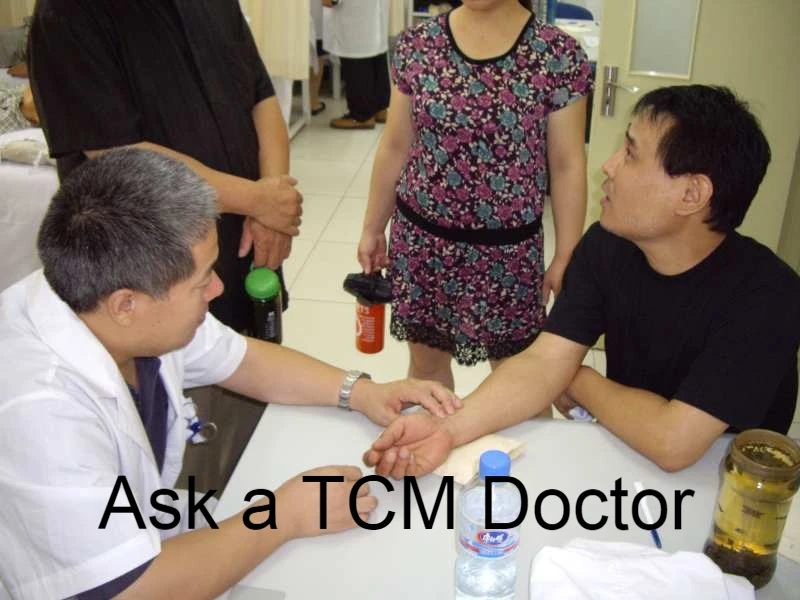
Want more tips? Discover how Traditional Chinese Medicine can naturally support emotional balance in Ask a TCM Doctor archive.
Sharing the wisdom of Traditional Chinese Medicine is our passion and calling.
If these words resonate with you, and you’d like to help me keep creating, consider offering a symbolic cup of green tea or support through Ko-fi.
Your kindness nurtures this work — like qi flows through the meridians.
HOW TO KEEP STROKE FAR AWAY—NATURALLY
RECIPE FOR POWER SOUP – STEP-BY-STEP GUIDE TO BOOST ENERGY
ATHEROSCLEROSIS: 3 NATURAL WAYS TO SUPPORT HEALTHY ARTERIES
Newsletter o zdrowiu z TCM
Wyrusz w podróż po mądrość Tradycyjnej Medycyny Chińskiej.
Dołącz do newslettera i co tydzień otrzymuj porady oraz nowe artykuły prosto na swoją skrzynkę.
TCM Health Newsletter
Embark on a journey into the wisdom of Traditional Chinese Medicine.
Join the newsletter and receive weekly tips and new articles delivered straight to your inbox.