What to Eat Every Day? 5 Chinese Medicine Rules for Better Health

Dr. Tomasz Borecki is a specialist in Traditional Chinese Medicine (TCM) with over 25 years of experience. He was educated in China, where he developed his expertise in Eastern medicine. He actively promotes TCM in Poland and internationally. More information can be found in the “About Us” section.
Why Chinese Medicine Says Your Breakfast Might Be Ruining Your Energy
Most people think healthy eating starts with calories, protein, or the latest trend on social media. One week everyone avoids carbs, the next week somebody swears by celery juice and ice baths. Traditional Chinese Medicine, or TCM, looks at food from a completely different angle. Instead of asking, “How many calories are in this meal?” it asks a much simpler question: “How does this food affect your energy, digestion, mood, and balance?” That shift changes everything.
During my time in China, one professor said something that stayed in my head for years: “If you don’t know what to eat, pay attention to how you feel after eating.” At first it sounded too simple to matter. But after watching patients, doctors, and everyday people approach food this way, I realized this idea sits at the heart of TCM nutrition.
In Chinese medicine, food is not treated like math. It is treated more like fuel for a fire. If you constantly throw cold, random, rushed meals into your body, the digestive system struggles to keep up. But when meals are warm, regular, calming, and suited to your body, energy tends to feel steadier. Digestion becomes lighter. Sleep improves. People often notice they stop fighting their body and start working with it instead.
That is why TCM eating habits are surprisingly practical. Nobody expects perfection. It is not about chasing some impossible “clean diet.” It is about creating rhythm. Think of it like watering a plant. You do not dump ten liters of water once a week and hope for the best. You give it a little support every day. Chinese medicine approaches food in exactly the same way.
What Traditional Chinese Medicine Really Says About Food
Food Is More Than Calories
In the Western world, nutrition often becomes a numbers game. Calories, macros, grams, percentages. TCM sees food through a wider lens. Meals are believed to influence Qi, the body’s vital energy, as well as the balance between Yin and Yang. Some foods are warming, some cooling, some nourishing, and others stimulating. Instead of asking whether a food is “good” or “bad,” practitioners usually ask whether it suits the person eating it.
That means two people can react very differently to the exact same breakfast. One person drinks an icy smoothie and feels refreshed. Another feels bloated, tired, or cold afterward. TCM pays close attention to those reactions. According to this philosophy, the body constantly gives feedback. The problem is that most people are too distracted to notice it.
This approach also explains why Chinese medicine rarely pushes extreme diets. There is no obsession with cutting entire food groups forever. Balance matters more than restriction. In practice, many recommendations are surprisingly ordinary: warm breakfasts, regular meal times, less stress while eating, fewer cold drinks, and more seasonal foods.
Also check out our guide: THE BETTER SLEEP & STRESS RELIEF GUIDE
The funny thing is that these habits often sound almost old-fashioned. Your grandmother probably gave similar advice decades ago. Eat soup when it is cold outside. Sit down properly while eating. Do not rush meals. Have something warm in the morning. Modern wellness culture sometimes packages these ideas as revolutionary discoveries, but Chinese medicine has been repeating them for centuries.
The Role of Qi, Yin and Yang
Qi is one of the central ideas in TCM. It is often described as energy, but that translation does not fully capture it. Qi is more like the body’s ability to function smoothly and efficiently. When Qi feels strong, people often describe having stable energy, good digestion, clearer thinking, and emotional balance. When it feels weak or blocked, fatigue, sluggishness, tension, and discomfort may appear.
Yin and Yang work together in a similar way. Yin is associated with cooling, nourishing, and restorative qualities. Yang relates more to warmth, movement, and activity. Chinese medicine views health as a dynamic balance between these forces. Food becomes one of the easiest daily tools for influencing that balance.
For example, someone who constantly feels cold, exhausted, and drained may benefit from warmer meals like soups, cooked grains, ginger, and stews. On the other hand, someone who feels overheated, restless, or irritable might feel better with lighter, more hydrating foods. TCM does not believe there is one perfect diet for everyone. That idea alone already makes it feel more human and realistic than many modern diet trends.
The One Lesson From China That Changes How You Eat
“Notice How You Feel After Eating”
One of the biggest surprises during my studies in China was seeing how often doctors talked about food before anything else. Patients did not just leave clinics with herbal recommendations. They often walked out with advice about breakfast, soup, meal timing, or even water temperature.
I remember watching older people in Hangzhou carrying thermoses of hot water everywhere. At first it looked strange to me. Why hot water all the time? But over time I understood it was not random. In TCM, warmth is believed to support digestion and internal balance. Cold drinks, especially with meals, are thought to weaken what practitioners call the “digestive fire.”
There was also something refreshing about how practical everything felt. Nobody expected people to become perfect overnight. Doctors focused on consistency instead of intensity. One practitioner told me, “If someone changes how they eat every day, half the work is already done.” That line stuck with me because it felt incredibly realistic.
Most people do not need another complicated nutrition plan. They need habits they can actually live with. Chinese medicine understands that. It values rhythm more than obsession.
Why Simplicity Matters More Than Perfection
Modern nutrition can feel exhausting. Every week there is another rule. Avoid this. Count that. Eliminate something else. TCM cuts through a lot of that noise by focusing on very basic principles.
Warm meals instead of constantly eating cold food straight from the fridge. Eating calmly instead of inhaling lunch while scrolling through your phone. Having regular meal times instead of chaotic snacking all day. These changes sound small, but many people notice a real difference when they apply them consistently.
The beauty of TCM is that it treats food as part of daily life, not as punishment. There is room for flexibility. Nobody is expected to live on exotic ingredients or impossible routines. In fact, some of the most respected foods in Chinese medicine are incredibly simple: rice, soups, ginger, teas, and cooked vegetables.
Interested in acupressure? Read the free beginner’s guide: ACUPRESSURE PRACTICAL GUIDE
5 Everyday TCM Eating Habits That Make a Difference
Eat Warm Meals
In TCM, warm meals are believed to support digestion and energy production. Breakfast gets special attention because it is seen as the moment when the digestive system “wakes up.” Warm porridge, rice, soups, or oatmeal are common recommendations.
Cold breakfasts, especially icy smoothies in winter, are often discouraged. One doctor jokingly compared them to “trying to light a campfire with ice cubes.” Strange image? Absolutely. Memorable? Definitely.
People who switch from cold breakfasts to warm ones often describe feeling more stable throughout the morning. Less bloating. Less heaviness. Fewer energy crashes. It is not magic. Sometimes the body simply responds better to warmth and routine.
Eat at Regular Times
The body loves predictability. TCM strongly emphasizes meal rhythm because irregular eating is believed to disrupt Qi flow. Skipping meals, eating late at night, or constantly snacking while stressed can leave people feeling drained and scattered.
Many practitioners recommend three to four meals daily at similar times. Not because of strict rules, but because rhythm creates stability. Think about sleep. Most people feel better when they sleep consistently rather than randomly. Food works similarly.
Eating slowly matters too. Digestion does not start in the stomach according to TCM. It starts in the mind. If your nervous system is tense, distracted, or rushed, meals often feel heavier afterward.
Adjust Food to the Seasons
This is one of the most fascinating parts of TCM nutrition. Food changes with the seasons because the body changes with the seasons too.
| Season | Common TCM Focus |
|---|---|
| Spring | Green vegetables, lighter meals |
| Summer | Hydrating and refreshing foods |
| Autumn | Foods supporting the lungs |
| Winter | Warming soups and cooked dishes |
The logic feels surprisingly intuitive. In winter, people naturally crave stews and hot meals. In summer, lighter foods feel more appealing. TCM simply builds an entire nutritional philosophy around that connection to nature.
Match Food to Your Body Type
Chinese medicine does not assume everyone should eat the same way. Someone who constantly feels cold may benefit from warming foods like ginger or soups. Someone dealing with internal “heat” may feel better with lighter meals and more hydrating foods.
This personalized approach is one reason many people find TCM interesting. It acknowledges individual differences instead of forcing everybody into the same nutritional box.
Eat Slowly and Without Stress
This may be the most overlooked health habit today. Many people eat while working, driving, scrolling, or worrying. TCM sees emotional state as deeply connected to digestion.
Chewing properly, slowing down, and eating without constant stimulation can completely change how meals feel afterward. It sounds simple because it is simple. But simple habits are often the hardest to maintain consistently.
5 Foods Often Used in TCM for Daily Balance
Ginger
Ginger is one of the classic ingredients in Chinese medicine. It is traditionally associated with warmth and digestive support. Many people add fresh ginger to tea, porridge, soups, or warm water in the morning.
A lot of people describe feeling “warmer from the inside” after regularly including ginger in their routine. Especially during colder months, it becomes a small daily ritual that feels grounding and comforting.
Goji Berries
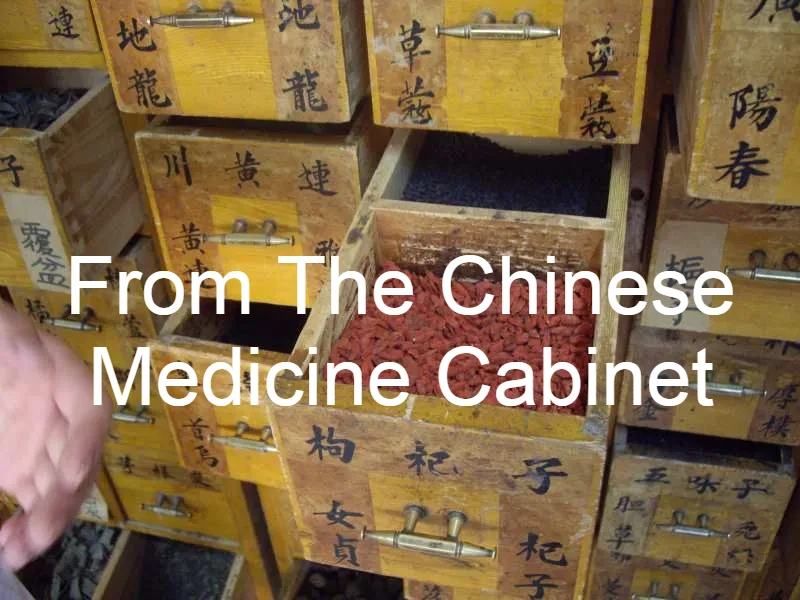
Goji berries, known as Gou Qi Zi in TCM, are tiny but widely respected. They are commonly added to teas, soups, rice dishes, or porridge. In China, it is normal to see older adults tossing goji berries into almost everything, including broth.
They are traditionally associated with nourishing Yin and supporting vitality. Their slightly sweet taste also makes them easy to include in everyday meals without much effort.
Gou qi zi
Nourishing, antioxidant-rich, mild, sustaining.
👉 [See on Amazon]
👉 [Check on IHerb]
👉 [Check out Acana herb shop (herbal products are handcrafted)]
Astragalus (Huang Qi)
Astragalus, or Huang Qi, is one of the best-known Qi-supporting herbs in TCM. It is commonly used in soups, broths, and herbal preparations. Modern research has also started exploring its antioxidant and immune-related properties.
Some studies published through PubMed discuss the bioactive compounds found in Astragalus and their potential role in metabolic and immune function research.
The taste is definitely unique. Earthy, slightly sweet, and unmistakably herbal. But many people who regularly use it say their body eventually starts craving that feeling of warmth and steadiness associated with it.
Huang qi ( Astragalus)
Energizing, balancing, immune-supporting, gentle
👉 [See on Amazon]
👉 [Check on IHerb]
👉 [Check out Acana herb shop (herbal products are handcrafted)]
Green Tea
Green tea holds a special place in Chinese culture and TCM. It is considered light and refreshing, but moderation matters. Many practitioners advise drinking it between meals rather than on an empty stomach.
The goal is balance, not overload. Too much green tea may leave some people feeling jittery or overly cooled, especially if they already tend to feel cold.
Long jing Tea Dragonwell Tea
Energizing, balancing, immune-supporting, gentle
👉 [See on Amazon]
👉 [Check on IHerb]
Rice
Rice is perhaps the most underrated food in TCM. Neutral, gentle, filling, and easy to digest, it forms the foundation of many meals throughout China. There is even a saying: “If you don’t know what to eat, cook rice.”
Simple? Yes. Effective? Also yes.
What I Learned While Studying in China
The longer I stayed in China, the more I realized TCM was not just about herbs or clinics. It was woven into ordinary life. Hot soups on cold days. Warm water instead of iced drinks. Slow breakfasts. Seasonal cooking. Food as daily maintenance instead of emergency repair.
One thing that surprised me was how normal all of this felt there. Nobody acted like they were following some special “wellness lifestyle.” These habits were simply part of everyday culture.
I also noticed that older generations often seemed incredibly disciplined with routine. Meals happened at regular times. Food was eaten sitting down. Soups were treated almost like medicine. There was a calmness around eating that feels rare in many modern cities today.
Real-Life TCM Examples
A woman in her thirties once described feeling exhausted every morning no matter how much she slept. In TCM terms, practitioners associated her symptoms with weakened Spleen Qi. Instead of extreme changes, the recommendations were surprisingly basic: warm breakfasts, fewer iced drinks, regular meal timing, and supportive herbs like Huang Qi.
After several weeks, she reported steadier energy and improved concentration. Not overnight. Not dramatically. Just gradually better.
Another case involved a man dealing with stress, tension, and trouble unwinding at night. His recommendations focused on lighter dinners, less coffee, calming evening meals, and more hydration-supportive foods.
What stood out in both situations was how ordinary the advice sounded. No miracle products. No impossible restrictions. Just rhythm, warmth, and consistency.
Jia Wei Xiao Yao Wan
An emotional & digestive support champion. It helps release stress, ease bloating, PCOS
👉 [See on Amazon]
👉 [Check on eBay]
👉 [Check out Arcane herb shop (herbal products are handcrafted)]
What Modern Research Says About TCM Nutrition
Scientific research on TCM nutrition continues growing. Researchers have explored herbs like Astragalus for antioxidant activity, metabolic function, immune support, and gut health mechanisms.
Modern science and TCM often use completely different language, but occasionally they seem to point toward similar observations. TCM talks about balance and Qi. Research may discuss metabolism, inflammation, stress responses, or microbiome activity. Different vocabulary, similar curiosity about how the body maintains stability.
That does not mean every traditional claim is scientifically confirmed. But it does explain why interest in these ancient systems continues growing around the world.
PubMed – The Antioxidant Action of Astragali Radix
Three Small Habits That Quietly Change Everything
Some of the most powerful TCM habits barely look impressive at first glance.
Eating until you are about 80% full instead of stuffed. Drinking warm beverages during the day. Avoiding heavy meals late at night. These habits seem tiny, but they often influence energy, digestion, and sleep more than people expect.
Chinese medicine repeatedly comes back to the same message: health is built through daily rhythm, not occasional extremes.
And honestly, that idea feels refreshing in a world obsessed with shortcuts.
Conclusion
Traditional Chinese Medicine does not treat food as punishment or entertainment. It treats food as a daily conversation with the body.
Warm meals. Regular timing. Seasonal eating. Slowing down. Paying attention. None of these habits are dramatic enough to become viral trends. That is probably why they work so well.
The older I get, the more I understand what that professor in China meant years ago. Your body is constantly speaking after every meal. Energy, heaviness, calmness, bloating, focus, fatigue — those are all forms of feedback.
Most people are just too distracted to listen.
Maybe the real wisdom of TCM is not hidden in exotic herbs or ancient theories. Maybe it is simply this: your body already tells you what it needs, if you slow down long enough to notice.
FAQs
Do I need to eat only Chinese foods to follow TCM principles?
Not at all. TCM focuses more on preparation style, balance, temperature, and routine than on specific exotic ingredients.
Is coffee forbidden in TCM?
Usually not. Many practitioners simply recommend moderation and avoiding coffee on an empty stomach.
Are cold foods always considered bad?
No. It depends on the person, the season, and how the body reacts. TCM is highly individualized.
Why are warm breakfasts so important in Chinese medicine?
They are traditionally believed to support digestion and help the body create stable energy for the day.
How many meals per day does TCM usually recommend?
Often three to four regular meals eaten at fairly consistent times.
👉 If this article spoke to you — sign up for the newsletter below for weekly TCM wisdom and rituals you can start today.
Must-Read Books
One informative resource is: Nutritional Healing with Chinese Medicine: + 175 Recipes for Optimal Health
👉 [See this book on Amazon paperback][Kindle]
The Chinese Medicine Cookbook: Nourishing Recipes to Heal and Thrive
👉 [See this book on Amazon Paperback][Kindle]
and: The Five Elements Cookbook: A Guide to Traditional Chinese Medicine with Recipes for Everyday
👉 [Check the price on Amazon paperback][Kindle]
Sunpentown NY-656 3-4/5-Liter Chinese Herbal Medicine Cooker with Stainless Heater
👉 [See on Amazon ]
Authentic Traditional Chinese Medicine (TCM) Herbal Formulas
If you’re looking for high-quality, practitioner-recommended TCM formulas — available globally — consider the following options. These time-tested products are crafted with care and widely used to support emotional balance, digestion, energy, and overall wellness.
Note: This post contains affiliate links to products we’ve actually tried from reliable, certified sellers. Supporting these links helps maintain our blog. Thank you! 🙏
Top Herbal Formulas
Zhi bai di huang wan or Pancreas Ease Herbal Tea
Has a cooling, soothing effect—internal heat
👉 [Check out Arcane herb shop (herbal products are handcrafted)]
Jia Wei Xiao Yao Wan
An emotional & digestive support champion. It helps release stress, ease bloating, PCOS
👉 [See on Amazon]
👉 [Check on eBay]
👉 [Check out Arcane herb shop (herbal products are handcrafted)]
Also check out or guide: THE BETTER SLEEP & STRESS RELIEF GUIDE
Liu wei di huang wan
👉 [See on Amazon]
👉 [Check on IHerb]
👉 [Check out Arcane herb shop (herbal products are handcrafted)]
Ju hua
Relax tired eyes, ease mental tension, and help your mind drift toward a calm, quiet state.
👉 [See on Amazon]
👉 [Check on eBay]
👉 [Check out Arcane herb shop (herbal products are handcrafted)]
Suan zao ren wan
Support emotional calm, encourage deeper rest, and help the mind settle
👉 [See on Amazon]
👉 [Check on eBay]
👉 [Check out Arcane herb shop (herbal products are handcrafted)]
These formulas are based on ancient herbal wisdom and used worldwide by TCM practitioners. Be sure to consult a professional for personalized advice.
🎁 Get 5% OFF with this code!
Use promo code TCMHEAL5 at checkout to enjoy an exclusive 5% discount—available only at Arcane Herbs Shop.
At Arcane Herbs Shop in Chicago’s Chinatown, every formula is carefully prepared using traditional methods and natural ingredients. You can also browse and order our selections [here].
Sharing the wisdom of Traditional Chinese Medicine is our passion and calling.
If these words resonate with you, and you’d like to help me keep creating, consider offering a symbolic cup of green tea or support through Ko-fi.
Your kindness nurtures this work — like qi flows through the meridians
These articles may interest you
THE BETTER SLEEP & STRESS RELIEF GUIDE
ACUPRESSURE FOR WOMEN: SIMPLE POINTS FOR NATURAL BEAUTY
ACUPRESSURE FOR BEGINNERS: 3 MUST-READ BOOKS TO MASTER HEALING NATURALLY
Newsletter o zdrowiu z TCM
Wyrusz w podróż po mądrość Tradycyjnej Medycyny Chińskiej.
Dołącz do newslettera i co tydzień otrzymuj porady oraz nowe artykuły prosto na swoją skrzynkę.
Nie ma newslettera? Sprawdź Spam — czasem się tam ukrywa.
TCM Health Newsletter
Embark on a journey into the wisdom of Traditional Chinese Medicine.
Join the newsletter and receive weekly tips and new articles delivered straight to your inbox.
No newsletter? Check Spam — it sometimes hides there.