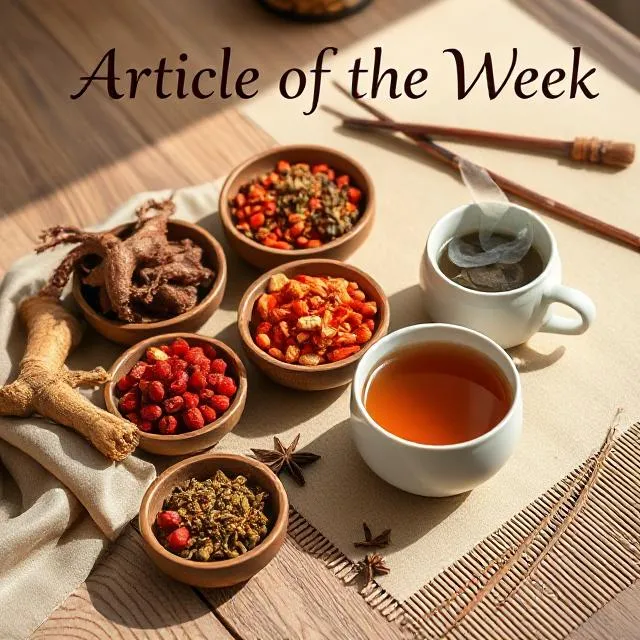
Winter-to-Spring TCM Diet Tips to Boost Energy


Dr. Tomasz Borecki is a specialist in Traditional Chinese Medicine (TCM) with over 25 years of experience. He was educated in China, where he developed his expertise in Eastern medicine. He actively promotes TCM in Poland and internationally. More information can be found in the “About Us” section.
The Seasonal Shift in TCM
Have you ever noticed how life seems to drag at the end of winter? In Traditional Chinese Medicine (TCM), this period—the shift from winter to spring—is seen as a pivotal moment for your body and mind. Think of it like waking up after a long, heavy sleep: your body wants to linger under the covers, cozy and slow, but the world is already calling, “Let’s go, a new day has started!” That’s exactly how your energy behaves in early spring.
During this seasonal shift, your body is moving from the deep, inward energy of winter—when rest and restoration are key—into the upward, outward energy of spring, which encourages growth, movement, and renewal. If you ignore it, you might feel sluggish, irritable, or off-balance. But if you tune in, even in small ways, you can align with this natural rhythm: gentle stretching, lighter meals, and fresh air can help your energy rise smoothly, like the first buds of spring breaking through the frost.
Understanding this transition isn’t just about avoiding the “winter slump”—it’s about riding the wave of seasonal change instead of fighting it. As a TCM doctor, I’ve seen countless patients transform simply by paying attention to these subtle shifts: a warm morning porridge, a gentle stretch, or a cup of herbal tea can make energy flow more smoothly. Once you notice how your body wants to move and breathe in this new season, life can suddenly feel lighter, more vibrant, and in harmony with the world around you—something I witness in my clinic almost every day, season after season
Also check out our guide: THE BETTER SLEEP & STRESS RELIEF GUIDE
Winter Energy: A Time to Retreat
How Qi Hibernates in Winter
In TCM, winter is the time when Qi (vital energy) retreats inward. The body naturally focuses on conservation—storing energy, rebuilding strength, and preparing for the new year. Think of it as a bear burrowing in its den. Your internal systems slow down; you crave warm, hearty meals, and downtime feels essential.
In this season, pushing yourself too hard can actually backfire. Instead of fighting the slower rhythm, it’s smarter to work with it. Go to bed a little earlier, wake up without rushing, and allow your body the extra rest it’s quietly asking for. This is also the perfect time to nourish yourself with simple habits—like drinking warm teas, eating cooked foods, and limiting cold or raw meals that can weaken your internal balance.
Winter is not about productivity hacks or constant motion. It’s about quiet strength. When you respect this natural pause, you’re not “falling behind”—you’re building a deeper reserve of energy. That reserve becomes your fuel for spring, when everything starts moving again.
So instead of resisting the slower pace, lean into it. Listen to your body, simplify your routine, and treat rest as something valuable, not something to earn.
The Body’s Winter Routine
During these months, heavy foods, longer sleep, and inward focus are normal. The kidneys are particularly active, storing what TCM calls “essence.” The downside? Many of us don’t adjust fast enough when spring arrives, and that can leave energy feeling stuck.
Spring Energy: Awakening and Expansion
Qi on the Move
Spring signals movement. Qi wants to rise, stretch, and flow outward—like sap surging through trees or grass sprouting from the soil. It’s nature’s cue to shake off winter inertia. If your habits stay “winter-like” into spring, you may feel sluggish, irritable, or off-balance.
Early Spring Challenges
The body tries to realign with longer days and more light. Headaches, low energy, or mood swings often appear when your Qi is blocked. That’s your internal alarm bell saying: “Time to adjust!”
Interested in acupressure? Read the free beginner’s guide: ACUPRESSURE PRACTICAL GUIDE
Organs in Focus: Kidney, Spleen, and Lung
The Role of Kidneys in Winter
The kidneys store essence and provide foundational energy. They’re closely linked with resilience and vitality during colder months.
Spleen as the Digestive Center
The spleen transforms food into energy and distributes it throughout the body. In TCM, supporting the spleen in late winter and early spring is essential for smooth seasonal transitions.
Lungs and Interaction with the World
The lungs manage interaction with the external environment. They influence immunity, energy flow, and the body’s response to new seasonal conditions.
Understanding Wei Qi: The Body’s Shield
What Wei Qi Really Is
TCM doesn’t think of immunity like a single system. Instead, Wei Qi is protective energy flowing just under the skin and at the boundary of the body. It’s what determines whether environmental changes affect you or bounce off like rain on a jacket.
Daily Habits That Build Protective Energy
Wei Qi develops gradually. Key contributors are:
- Quality food: Properly cooked and nutrient-rich meals
- Routine: Consistent meal times
- Sleep & breath: Daily rest and mindful breathing
This energy isn’t built overnight—it’s a process of consistent care.
Dietary Wisdom for Late Winter and Early Spring
As winter fades and spring peeks around the corner, what you eat can make a big difference in how your body transitions. In Traditional Chinese Medicine (TCM), the focus is on gently moving your Qi—the body’s vital energy—so it flows smoothly instead of feeling stuck after the slow, inward energy of winter. One of the easiest ways to support this is through the foods you choose.
Warm, cooked meals are your allies right now. Think cozy soups, nourishing stews, and soft porridges. These foods not only keep your body warm but also support digestion and help your energy rise naturally, like the first hints of spring sunlight. On the flip side, raw, cold foods—icy salads, chilled drinks, or frozen treats—can slow your energy and make your body feel heavy or sluggish during this transition.
It’s not about calories, trendy diets, or strict rules; it’s about texture, warmth, and ease of digestion. A simple, gently cooked meal can have a bigger impact on your energy than any superfood craze. By choosing foods that harmonize with the season, you help your body wake up from its winter rest and step into spring feeling lighter, more vibrant, and full of quiet energy.
Three Core Foods for Energy and Balance
Millet – The Gentle Strengthener
Millet is light yet nourishing, supporting the spleen’s digestive function. Warm porridge in the morning, with cinnamon and soft fruit, can provide steady energy.
Carrots – Sweet Support for Digestion
Cooked carrots are easy on the system and stabilize energy. They help the body transform food into usable energy without heaviness.
Chinese Dates (Da Zao) – Subtle Energy Boost
Often used in broths and teas, these dates support the body quietly, offering gentle energy without overloading the system.
Classic Recipes and Herbal Infusions
In the shift from winter to spring, classic TCM recipes and herbal infusions can gently support your body’s energy, immunity, and overall balance. These are simple, comforting, and deeply nourishing ways to align with the season.
Astragalus (Huang Qi) Broth
Astragalus is a superstar for strengthening your protective energy, or Wei Qi, helping your body resist the lingering winter blues and seasonal shifts. Making a slow-cooked broth with astragalus, carrots, leeks, and a little rice allows the herb to release its benefits gently over time. The process is slow, but the results are worth it: a warm, savory, and subtly sweet broth that feels like a hug from the inside out. Enjoy it as a meal base or a daily sip to support vitality and resilience.
Huang qi ( Astragalus)
Energizing, balancing, immune-supporting, gentle
👉 [See on Amazon]
👉 [Check on IHerb]
👉 [Check out Acana herb shop (herbal products are handcrafted)]
Jiao Gu Lan Tea for Steady Energy
Jiao Gu Lan, often called “Gynostemma,” is another herb prized for its grounding, energy-stabilizing properties. Consumed as a tea, it offers subtle, long-term support for both body and mind. Its slightly bitter taste is a signal that it’s working to steady your energy and calm internal fluctuations. Drinking it regularly helps maintain a smooth, even flow of Qi through the season, rather than quick bursts followed by crashes.
Jiao gu lan
Calming, revitalizing, subtle, restorative
👉 [See on Amazon]
👉 [Check on IHerb]
Goji Berry Infusion for Daily Support
For a simple, everyday boost, a handful of goji berries steeped in warm water is perfect. The effort is minimal, but the benefits—antioxidants, gentle nourishment, and a lift to your energy—are meaningful. It’s an easy ritual that reminds your body, “Spring is coming; it’s time to wake up and move.”
Gou qi zi
Nourishing, antioxidant-rich, mild, sustaining.
👉 [See on Amazon]
👉 [Check on IHerb]
👉 [Check out Acana herb shop (herbal products are handcrafted)]
These recipes aren’t about complicated instructions—they’re about harmonizing with your body and the season in a practical, enjoyable way.
Additional Daily Recommendations
Meal Timing and Routine
Eat at consistent times. The body loves rhythm and stability.
Avoiding Cold Drinks
Chilled beverages can dampen energy and slow digestion—especially in transitional seasons.
Keeping Lower Back Warm
Warmth encourages energy flow. Think of it like oiling the hinges of a door.
Case Studies from Everyday Life
Kasia’s Seasonal Energy Reset
Kasia, a 42-year-old teacher, had always noticed that the end of winter left her drained. Mornings felt like a slow crawl, and by mid-afternoon, she often relied on coffee just to keep going. After learning about the seasonal shift in TCM, she made some small but meaningful adjustments.
She started eating warm breakfasts, like oatmeal with gentle spices, and incorporated nourishing broths with Huang Qi (Astragalus) into her weekly meals. Within just a few weeks, Kasia noticed a remarkable difference: she woke up with more ease, her focus sharpened, and her energy felt steadier throughout the day. What had felt like an inevitable “winter slump” gradually lifted, replaced by a sense of lightness and flow.
Office Worker Finding Balance
A 35-year-old man working long office hours faced another common struggle: irregular meals, constant snacking, and the energy crashes that came with it. By introducing warm, cooked lunches, sipping Jiao Gu Lan tea, and enjoying goji berry infusions, he found a new rhythm.
Meals became grounding, and snacks were no longer a constant necessity. Over time, his sleep improved, afternoon fatigue diminished, and energy levels stabilized in a way he hadn’t experienced in years. Small, consistent adjustments helped him align with the natural energy of the season rather than fight it, showing that simple TCM-inspired practices can fit seamlessly into modern, busy lives.
Lessons from Traditional Practice in China
During my time studying TCM in Beijing, one thing stood out immediately: winter meals were never cold. Whether it was street food, meals served in clinics, or school lunches, everything was warm, nourishing, and carefully tuned to the season. It wasn’t about trends, Instagram-worthy dishes, or modern diet fads—it was practical, everyday wisdom passed down for generations. The food itself was medicine, supporting energy, digestion, and overall balance during the harsh winter months.
One senior TCM doctor shared a piece of advice that has stayed with me: “Don’t ask what to eat. Ask what your stomach feels today.” In other words, seasonal awareness and listening to your body matter far more than rigid rules or strict meal plans. Warm soups, stews, and lightly cooked vegetables were staples, but the exact combination shifted depending on what each person needed that day.
This approach reminds us that TCM isn’t about complexity—it’s about mindfulness. By tuning in to the season, respecting your body’s rhythms, and choosing foods that feel nourishing and easy to digest, you naturally align with the energy of the world around you. Small adjustments, guided by awareness rather than prescription, can make transitions from winter to spring—or any season—far smoother and more vibrant.
Fun Facts About Seasonal TCM Practices
- Kitchens doubled as pharmacies in ancient China
- Emperors had personal TCM dieticians
- Seasonality often outweighed product availability
Modern Science and Traditional Insights
Even though Traditional Chinese Medicine (TCM) comes from ancient wisdom, modern science is starting to catch up—and in some surprising ways, the research supports what TCM practitioners have been saying for centuries.
Astragalus and Immune Adaptation
Astragalus (Huang Qi), long used in TCM to strengthen the body’s defenses, has been shown in scientific studies to interact with immune cell metabolism and help regulate immune responses. Research in immunometabolism suggests that components found in TCM herbs can influence how immune cells function and adapt to stressors, linking traditional formulas to modern immune science.
Goji Berries and Metabolic Balance
Goji berries—rich in antioxidants, vitamins, and phytonutrients—aren’t just traditional superfoods; they help support metabolic balance and protect cells from oxidative stress. Antioxidants from foods like goji berries and other seasonal produce play a key role in modulating inflammation and overall metabolic health, which in turn influences immune resilience.
Seasonal Eating and Homeostasis
There’s growing scientific interest in how seasonal eating—choosing foods that are harvested at the right time of year—can affect metabolism, nutrient density, and immune function. Seasonal fruits and vegetables tend to be higher in nutrients and antioxidants, which support healthy immune responses and help maintain homeostasis, a concept that mirrors TCM’s focus on harmony with nature’s rhythms.
For a deeper dive into how diet shapes immunity and overall health, you can explore this review on diet and the immune system here:
Eating for immunity: how diet shapes our defenses (PubMed)
Bringing It All Together: Observing Your Body
The essence of TCM is attentiveness. Watch how your body responds to food, sleep, and movement. Small adjustments, consistently applied, often create the biggest impact.
Conclusion and Takeaways
The winter-to-spring transition is a perfect window to support your body naturally. Warm meals, consistent routines, gentle herbs, and seasonal awareness help Qi flow smoothly, energy stabilize, and daily life feel lighter. TCM teaches us patience, observation, and trust in subtle rhythms—a practice as relevant today as centuries ago.
Even the simplest habits—like a warm porridge in the morning or a quiet cup of goji tea—can ripple into profound seasonal balance. Sometimes the smallest changes are the most transformative.
FAQs
- Is TCM diet complicated?
No, it’s logical and focuses on seasonal alignment rather than strict rules. - Do I need to use Chinese herbs?
Not necessarily. Properly cooked food often suffices for seasonal support. - How fast can I notice benefits?
Usually within a few weeks of consistent practice. - Can TCM dietary habits fit with modern nutrition?
Yes, as long as the approach remains consistent with your body’s rhythm. - Where should I start?
A warm, nourishing breakfast is the simplest and most impactful first step.
👉 If this article spoke to you — sign up for the newsletter below for weekly TCM wisdom and rituals you can start today.
Must-Read Books
One informative resource is: “Astragalus: Ancient Herb for Modern Times”
👉 [See this book on Amazon paperback][Kindle]
Another helpful resource is: “Jiaogulan – China’s ‘Immortality Herb’“
👉 [Check the price on Amazon paperback][Kindle]
The Chinese Medicine Cookbook: Nourishing Recipes to Heal and Thrive
👉 [See this book on Amazon Paperback][Kindle]
and: The Five Elements Cookbook: A Guide to Traditional Chinese Medicine with Recipes for Everyday
👉 [Check the price on Amazon paperback][Kindle]
Sunpentown NY-656 3-4/5-Liter Chinese Herbal Medicine Cooker with Stainless Heater
👉 [See on Amazon ]
Authentic Traditional Chinese Medicine (TCM) Herbal Formulas
If you’re looking for high-quality, practitioner-recommended TCM formulas — available globally — consider the following options. These time-tested products are crafted with care and widely used to support emotional balance, digestion, energy, and overall wellness.
Note: This post contains affiliate links to products we’ve actually tried from reliable, certified sellers. Supporting these links helps maintain our blog. Thank you! 🙏
Top Herbal Formulas
Jia Wei Xiao Yao Wan
An emotional & digestive support champion. It helps release stress, ease bloating, PCOS
👉 [See on Amazon]
👉 [Check on eBay]
👉 [Check out Acana herb shop (herbal products are handcrafted)]
Huang qi ( Astragalus)
Energizing, balancing, immune-supporting, gentle
👉 [See on Amazon]
👉 [Check on IHerb]
👉 [Check out Acana herb shop (herbal products are handcrafted)]
Jiao gu lan
Calming, revitalizing, subtle, restorative
👉 [See on Amazon]
👉 [Check on IHerb]
These formulas are based on ancient herbal wisdom and used worldwide by TCM practitioners. Be sure to consult a professional for personalized advice.
Gou qi zi
Nourishing, antioxidant-rich, mild, sustaining.
👉 [See on Amazon]
👉 [Check on IHerb]
👉 [Check out Acana herb shop (herbal products are handcrafted)]
🎁 Get 5% OFF with this code!
Use promo code TCMHEAL5 at checkout to enjoy an exclusive 5% discount—available only at Arcana Herbs Shop.
At Arcana Herbs Shop in Chicago’s Chinatown, every formula is carefully prepared using traditional methods and natural ingredients. You can also browse and order our selections [here].
Sharing the wisdom of Traditional Chinese Medicine is our passion and calling.
If these words resonate with you, and you’d like to help me keep creating, consider offering a symbolic cup of green tea or support through Ko-fi.
Your kindness nurtures this work — like qi flows through the meridians
These articles may interest you:
THE BETTER SLEEP & STRESS RELIEF GUIDE
ALWAYS SICK IN WINTER AND SPRING? TCM TIPS FOR STRONG IMMUNITY
COLD HANDS AND FEET: TCM TIPS FOR CIRCULATION AND WARMTH
COLD HANDS AND FEET: TCM TIPS FOR CIRCULATION AND WARMTH
and
HOW TO STRENGTHEN YOUR KIDNEYS NATURALLY ACCORDING TO TCM
Newsletter o zdrowiu z TCM
Wyrusz w podróż po mądrość Tradycyjnej Medycyny Chińskiej.
Dołącz do newslettera i co tydzień otrzymuj porady oraz nowe artykuły prosto na swoją skrzynkę.
Nie ma newslettera? Sprawdź Spam — czasem się tam ukrywa.
TCM Health Newsletter
Embark on a journey into the wisdom of Traditional Chinese Medicine.
Join the newsletter and receive weekly tips and new articles delivered straight to your inbox.
No newsletter? Check Spam — it sometimes hides there.