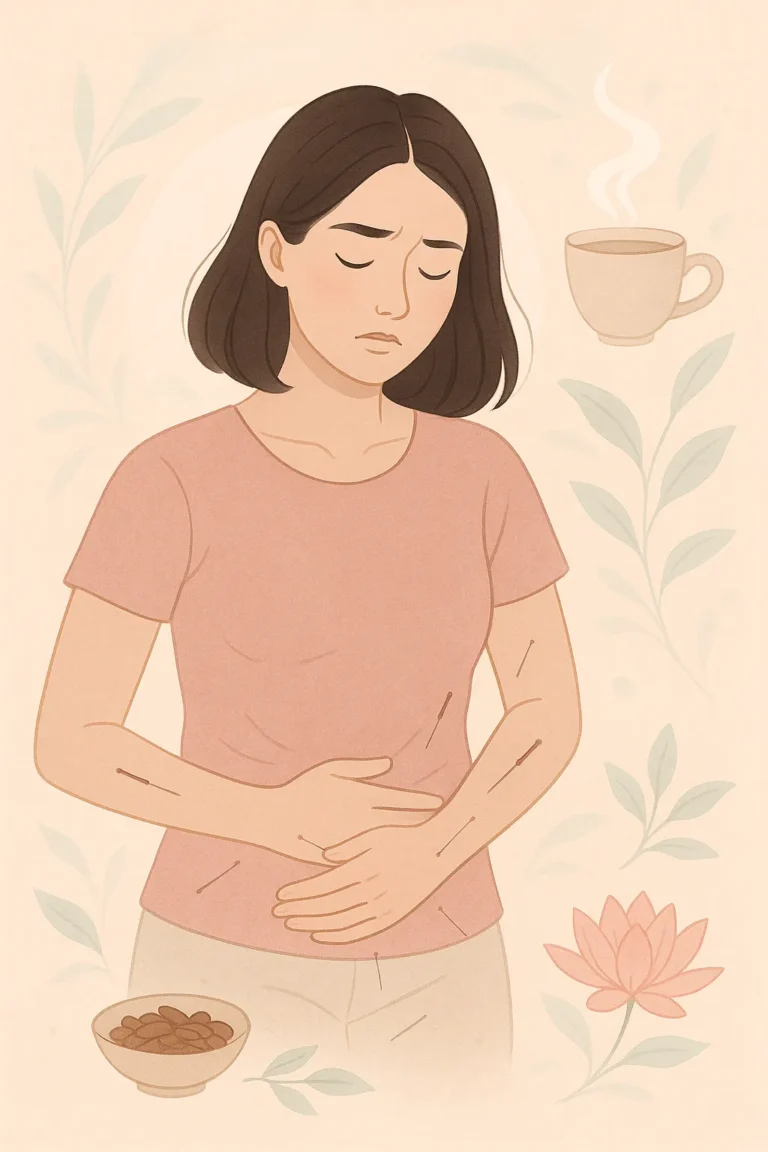
Cold Hands and Feet: TCM Tips for Circulation and Warmth

Dr. Tomasz Borecki is a specialist in Traditional Chinese Medicine (TCM) with over 25 years of experience. He was educated in China, where he developed his expertise in Eastern medicine. He actively promotes TCM in Poland and internationally. More information can be found in the “About Us” section.
Cold Hands and Feet? TCM Explains More Than You Think
Ever notice how your hands feel icy even when you’re wrapped in a warm sweater, clutching a steaming mug like it’s your lifeline? Or how your feet seem permanently stuck in winter mode—thick socks, heated floors, and still no luck? If that sounds familiar, Traditional Chinese Medicine (TCM) would gently raise an eyebrow and say: your body is trying to tell you something.
In the TCM world, cold hands and feet aren’t dismissed as “poor circulation” or blamed on bad weather. They’re treated more like an early message, a quiet tap on the shoulder before the body starts shouting. Think of it like a dashboard light in your car. You wouldn’t cover it with tape and keep driving, right? You’d want to know what’s happening under the hood.
TCM sees the body as a connected system, not a collection of separate parts. When warmth doesn’t reach your hands and feet, it often means the core isn’t distributing energy the way it should. And here’s the interesting part: this can show up years before anything looks “wrong” on paper.
So if you’ve always been “the cold one” in the room, this might not be your personality—it might be a pattern. A clue. And once you know how to read it, things start to make a lot more sense. Stick around, because this story goes much deeper than socks and sweaters.
How Traditional Chinese Medicine Looks at the Body
Body as an Energy Network
Traditional Chinese Medicine doesn’t see the body as a set of separate organs working independently. Instead, it views you as one living, breathing network of energy, constantly in motion. Everything is connected. What you eat, how you sleep, how much you move, how you handle stress—even how you think—feeds into this system. If one part slows down or gets overloaded, the rest of the body feels it.
In TCM, this circulating life force is often compared to a river. When it flows smoothly, everything downstream is nourished. But if there’s a blockage or the current weakens, some areas start to dry out or cool down. The body doesn’t suddenly “break.” It gives subtle hints first.
Why Extremities Speak First
Hands and feet sit at the very edges of this energy network. They’re like the end of a long supply line. When the flow of energy weakens, warmth and nourishment don’t reach them as easily. That’s why they’re often the first places to feel cold, tight, or uncomfortable—long before anything shows up as a clear problem.
From a TCM perspective, cold hands and feet aren’t random. They’re early messengers. The body is quietly pointing out that energy isn’t moving as freely or as strongly as it should. Paying attention to these signals early can reveal a lot about what’s happening deeper inside—before bigger imbalances have a chance to settle in.
Qi, Blood, and Yang – The Trio That Keeps You Warm
What Happens When Qi Slows Down
Qi is movement. It pushes, circulates, and distributes warmth. When Qi is low or stuck, warmth doesn’t travel well.
The Role of Yang as Inner Fire
Yang is the body’s internal heat source. When Yang is strong, warmth feels natural. When it’s weak, cold creeps in—especially in hands, feet, and the lower body.
Common TCM Patterns Behind Cold Hands and Feet
Kidney Yang Weakness
In TCM, the kidneys store your core vitality. When their warming energy runs low, people often feel cold deep inside—especially in the feet and lower back.
Spleen Qi Low Gear
The spleen turns food into usable energy. When it struggles, less warmth is produced. Cold hands after meals and constant fatigue are common signs.
Qi and Blood Stagnation
Sometimes warmth exists but doesn’t move. Tension, long hours of sitting, and lack of movement can create this pattern. Hands may feel cold or even slightly bluish.
Stress as an Energy Block
Long-term stress acts like a knot in a hose. Energy can’t flow smoothly. Over time, extremities lose warmth—not because there isn’t enough energy, but because it’s stuck.
Cold hands and feet are often treated like a small annoyance, but in Traditional Chinese Medicine, they can reveal a lot about what’s happening inside the body. Instead of seeing cold extremities as a random symptom, TCM looks for the deeper energy imbalance causing it.
Also check out our guide: THE BETTER SLEEP & STRESS RELIEF GUIDE
One of the most common patterns is Kidney Yang Deficiency. In simple terms, your internal “heater” runs too low. People with this pattern often feel cold all over, especially in the feet, knees, and lower back. Low energy, weak circulation, and feeling exhausted after little effort are also common signs.
Another frequent issue is weak Spleen Qi. In TCM, the spleen helps transform food into energy and warmth. When digestion slows down, the body struggles to fuel itself properly. You may notice bloating, fatigue after eating, brain fog, and icy hands even in warm rooms.
Stress can also play a major role. Long hours of tension, overthinking, and sitting too much may block the smooth flow of Qi and blood. When circulation becomes sluggish, warmth can’t easily reach the fingers and toes. This is why some people notice cold hands during stressful days at work.
TCM focuses on restoring balance naturally through movement, warming foods, better sleep, acupuncture, and herbal support. The goal is not only warmer hands and feet, but better overall energy and circulation.
How Cold Sneaks Into the Body
Modern Habits That Invite Cold
Walking barefoot on cold floors, iced drinks in winter, constant air conditioning, or sitting in wet clothes. TCM notices these things. Cold doesn’t need permission—it just needs an open door.
Real-Life TCM Practice Stories
Case One: Office Life and Frozen Fingers
A 39-year-old woman came in saying her hands were cold all year round. Not “a bit chilly,” but the kind of cold that makes typing uncomfortable, even in a warm office. She spent long hours at a computer, skipped proper meals, and lived on coffee. From a TCM point of view, her energy production was running on low power, especially in the lower part of the system.
Her routine was gently adjusted, and traditional support was introduced, including Jing Gui Shen Qi Wan to encourage inner warmth and Huang Qi to help strengthen daily energy. She was also shown how to stimulate Zu San Li (ST36) at home. Over time, she noticed something simple but meaningful: her fingers stopped feeling icy, even in the morning.
Case Two: Stress, Tension, and Cold Feet
A 52-year-old man described his feet as “blocks of ice,” especially at night. He was under constant pressure, rarely relaxed, and carried tension everywhere. His pattern pointed more toward stuck energy than a lack of it.
Alongside lifestyle changes, Jia Wei Xiao Yao Wan was introduced to help ease internal tension and support smoother energy movement, with Huang Qi added for balance. Regular work with Zu San Li helped bring circulation back to the feet. Interestingly, his feet felt warmer before winter even arrived—something he didn’t expect at all.
Herbal Traditions Used in TCM
Classic Warming Formulas
Traditional Chinese Medicine has relied on herbal formulas for centuries to support inner warmth and smooth energy movement. These blends aren’t meant to “heat the body up” aggressively. They work more like adding dry wood to a fireplace—slow, steady, and balanced. This approach is especially important when cold hands and feet are linked to stress and deeper energy reserves, such as those associated with the kidneys.
Jing Gui Shen Qi Wan is one of the most well-known formulas connected with inner warmth. In TCM thinking, the kidneys act like the body’s main power source. When their warming energy is low, cold often settles in the feet first and slowly moves upward. This formula is traditionally used to support that internal fire, helping warmth reach the extremities more naturally. Many people notice their feet feel less icy, especially in the evening and at night.
Jing gui shen qi wan
Kidney Yang tonic,energizing, balancing, immune-supporting, gentle
👉 [See on Amazon]
👉 [Check on IHerb]
👉 [Check out Acana herb shop (herbal products are handcrafted)]
Jia Wei Xiao Yao Wan works from a different angle. Cold hands and feet don’t always come from a lack of warmth—sometimes energy is present but stuck. Long-term stress, emotional tension, and constant pressure can tighten the system and interrupt smooth flow. This formula is commonly used to help release that internal tension, allowing energy to circulate again. When flow improves, hands often feel warmer without directly “adding heat.”
Jia Wei Xiao Yao Wan
An emotional & digestive support champion. It helps release stress, ease bloating, PCOS
👉 [See on Amazon]
👉 [Check on eBay]
👉 [Check out Acana herb shop (herbal products are handcrafted)]
Huang Qi plays a supportive role in both situations. It’s traditionally used to strengthen daily energy and help the body distribute warmth more evenly. When energy is strong and mobile, hands and feet stop being the first places to lose heat.
Huang qi ( Astragalus)
Energizing, balancing, immune-supporting, gentle
👉 [See on Amazon]
👉 [Check on IHerb]
👉 [Check out Acana herb shop (herbal products are handcrafted)]
Acupressure and Moxa in Daily Life
Three Key Points Worth Knowing
In Traditional Chinese Medicine, certain points on the body act like gateways for energy and warmth. Stimulating these points regularly is a simple, natural way to help cold hands and feet, improve circulation, and support overall vitality. Unlike modern gadgets, acupressure and moxa are gentle, safe, and easy to incorporate into your daily routine. Taking just a few minutes each day can make a noticeable difference, especially during colder months or if your hands and feet feel cold more often than not.
Zu San Li (ST36)
Interested in acupressure? Read the free beginner’s guide: ACUPRESSURE PRACTICAL GUIDE
Zu San Li, located about four finger-widths below the knee on the outer side of the shin, is often called the “energy booster” of TCM. Stimulating this point helps Qi move smoothly through the legs, supporting circulation and warming the feet naturally. People often report feeling a gradual warmth that spreads from their legs down to their toes. Regular practice can also enhance overall vitality, helping you feel more balanced and energized throughout the day.To get the technique right, check out our video tutorial on YouTube, where we demonstrate step-by-step how to locate and massage Zu San Li safely. Watching it makes it easy to practice at home, even if you’re new to acupressure- HERE
Shen Shu (BL23)
Shen Shu is located on the lower back, roughly at the level of the kidneys. In TCM, the kidneys are considered the root of inner warmth, and stimulating this point can help support that “inner fire.” People with cold lower back, feet, or a general sensitivity to cold often find relief when working with Shen Shu. Gentle pressure or moxa can help release tension, warm the lower body, and improve energy flow.For beginners, it’s easiest to follow a visual guide. We’ve created a YouTube video showing exactly how to locate Shen Shu and apply the right pressure or warming technique safely. Regular practice at home can gradually reduce the sensation of cold in your feet and legs- HERE
Moxa – Warming Technique
Moxa involves gently applying heat to key acupressure points using a special herb stick. Unlike direct heat from a heating pad, moxa warms energy from the inside out. It helps Qi circulate freely, allowing warmth to reach the extremities naturally. People often report feeling comfort in their hands and feet after just a few minutes.
We’ve created a detailed video on YouTube showing how to use moxa safely at home, including points like Zu San Li and Shen Shu. Following the step-by-step instructions ensures you get the benefits without discomfort. Incorporating this ritual into your routine can make cold hands and feet a thing of the past- HERE
If you don’t see the videos today, check back tomorrow—they’ll definitely be available.
Food as Daily Energy Support
Three Warming Foods from TCM
- Millet – light, warming, and easy to digest
- Fresh ginger – small root, big impact
- Cinnamon – spreads warmth from the inside out
Warm, cooked meals eaten regularly are considered one of the simplest ways to support energy balance.
Check out our guide: Complete TCM Diet Guide for Beginners
Old Chinese Wisdom About Cold
Ancient Chinese texts often warned that cold entering through the feet could affect the whole body. That’s why people traditionally kept their feet warm—even in summer. Cold wasn’t feared; it was respected.
What Modern Research Is Starting to Notice
In recent years, scientists have begun to explore TCM’s traditional concepts through a modern lens, especially around energy metabolism and how the body responds to cold. One interesting study published on PubMed looked at how people with what TCM calls “cold syndrome” or yang‑deficiency show differences in cellular energy production. The researchers found that individuals with these patterns had lower mitochondrial activity—the tiny “powerhouses” inside cells that generate energy (ATP). In simple terms, when energy production at the cellular level drops, the body can struggle to stay warm, which aligns with the TCM idea that warmth comes from strong internal energy.
The study also observed that people with cold intolerance tended to have reduced mitochondrial enzyme activity and lower energy metabolism overall, which might help explain why cold hands and feet occur even when there’s no obvious external reason.
Meanwhile, other research has investigated how yang‑invigorating herbs commonly used in TCM might influence mitochondrial function and energy status—in some cases looking at applications for kidney‑related conditions. This kind of work suggests a possible biological bridge between ancient TCM concepts like kidney energy and mechanisms such as cellular energy generation.
For a deeper dive into how TCM constitution and cold sensitivity relate to underlying biology, see this PubMed article:
🔗 Association of traditional Chinese medicine body constitution and cold syndrome with leukocyte mitochondrial functions – PubMed.
Conclusion
Cold hands and feet aren’t random. They’re quiet messages, sent early, before louder problems appear. Traditional Chinese Medicine doesn’t chase symptoms—it listens to patterns. And sometimes, what feels like “just cold” is actually an invitation to slow down, warm up, and reconnect with how your body truly works.
Because when warmth returns to your hands and feet, it often means balance is finding its way back too.
FAQs
Why are my hands cold even in warm weather?
In TCM, this often points to internal energy patterns rather than temperature alone.
Is this always related to age?
No. Lifestyle, stress, and diet play a huge role at any age.
Can food really make a difference?
In TCM, food is daily energy input—small choices add up.
Why do my feet feel colder than my hands?
Feet are farther from the body’s energy center, so they react first.
Does TCM look at symptoms separately?
Never. Everything is viewed as part of one connected system.
Must-Read Books
One informative resource is: “Nourishing Your Kidneys: TCM Cookbook Series”
👉 [See this book on Amazon paperback][Kindle]
Another helpful resource is: “TCM – Kidney – Yang deficiency: E253 TCM – Kidney – Yang deficiency’“
👉 [Check the price on Amazon paperback][Kindle]
and: “The Acupressure Bible: The Complete Self-Treatment Guide to Relieve Pain, Reduce Anxiety & Restore Energy — Your Natural Healing Companion for the Demands of Modern Life’“
👉 [Check the price on Amazon paperback][Kindle]
Authentic Traditional Chinese Medicine (TCM) Herbal Formulas
If you’re looking for high-quality, practitioner-recommended TCM formulas — available globally — consider the following options. These time-tested products are crafted with care and widely used to support emotional balance, digestion, energy, and overall wellness.
Note: This post contains affiliate links to products we’ve actually tried from reliable, certified sellers. Supporting these links helps maintain our blog. Thank you! 🙏
Top Herbal Formulas
Jia Wei Xiao Yao Wan
An emotional & digestive support champion. It helps release stress, ease bloating, PCOS
👉 [See on Amazon]
👉 [Check on eBay]
👉 [Check out Acana herb shop (herbal products are handcrafted)]
Jing gui shen qi wan
Kidney Yang tonic,energizing, balancing, immune-supporting, gentle
👉 [See on Amazon]
👉 [Check on IHerb]
👉 [Check out Acana herb shop (herbal products are handcrafted)]
You gui wan
Jing tonic, revitalizing, subtle, restorative
👉 [See on Amazon]
👉 [Check out Acana herb shop (herbal products are handcrafted)]
These formulas are based on ancient herbal wisdom and used worldwide by TCM practitioners. Be sure to consult a professional for personalized advice.
Huang qi ( Astragalus)
Energizing, balancing, immune-supporting, gentle
👉 [See on Amazon]
👉 [Check on IHerb]
👉 [Check out Acana herb shop (herbal products are handcrafted)]
🎁 Get 5% OFF with this code!
Use promo code TCMHEAL5 at checkout to enjoy an exclusive 5% discount—available only at Arcana Herbs Shop.
At Arcana Herbs Shop in Chicago’s Chinatown, every formula is carefully prepared using traditional methods and natural ingredients. You can also browse and order our selections [here].
Sharing the wisdom of Traditional Chinese Medicine is our passion and calling.
If these words resonate with you, and you’d like to help me keep creating, consider offering a symbolic cup of green tea or support through Ko-fi.
Your kindness nurtures this work — like qi flows through the meridians
These articles may interest you
Complete TCM Diet Guide for Beginners
THE BETTER SLEEP & STRESS RELIEF GUIDE
ACUPRESSURE FOR WOMEN: SIMPLE POINTS FOR NATURAL BEAUTY
PRACTICAL CHINESE MEDICINE TIPS FOR CELIAC PATIENTS
Newsletter o zdrowiu z TCM
Wyrusz w podróż po mądrość Tradycyjnej Medycyny Chińskiej.
Dołącz do newslettera i co tydzień otrzymuj porady oraz nowe artykuły prosto na swoją skrzynkę.
Nie ma newslettera? Sprawdź Spam — czasem się tam ukrywa.
TCM Health Newsletter
Embark on a journey into the wisdom of Traditional Chinese Medicine.
Join the newsletter and receive weekly tips and new articles delivered straight to your inbox.
No newsletter? Check Spam — it sometimes hides there.