Living With Multiple Sclerosis? Try This Gentle Approach
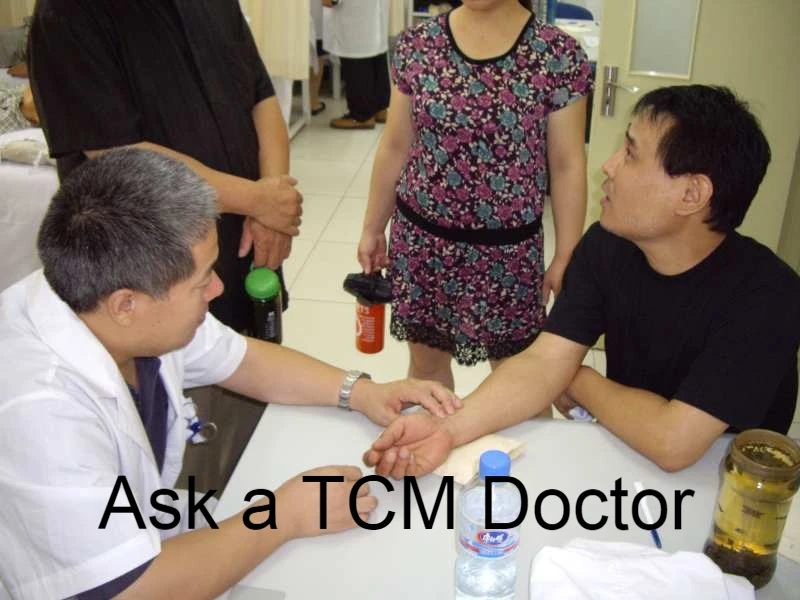

Dr. Tomasz Borecki is a specialist in Traditional Chinese Medicine (TCM) with over 25 years of experience. He was educated in China, where he developed his expertise in Eastern medicine. He actively promotes TCM in Poland and internationally. More information can be found in the “About Us” section.
A Gentle Conversation Over Tea About Health and Balance
Imagine this moment: steam rising softly from warm tea, the world slowing just a little, and a conversation about life, health, and finding balance. You lean in and ask:
“Can Traditional Chinese Medicine offer insight for someone living with multiple sclerosis?”
I smile and say:
“In TCM, we don’t focus solely on the name of a condition. Instead, we look at you as a whole person. We observe the flow of Qi, the relationship between Yin and Yang, the calmness or restlessness of the spirit (Shen). Balance—not the label—is what shapes how the body functions.”
This type of conversation has happened many times in quiet tea rooms, sunny clinics, and simple kitchens. Let’s walk through this topic together—gently, slowly, one sip at a time.
The Question That Begins the Journey
Many people feel overwhelmed when they hear a diagnosis like multiple sclerosis. It can sound heavy, clinical, and final. Yet human beings are living systems—fluid, changing, responsive.
Why Talk About It Holistically?
Because you are more than symptoms.
TCM looks for patterns—ways the body communicates imbalance. And where there is imbalance, there is also potential for support, warmth, and gradual internal reorganization.
How Western Medicine Describes Multiple Sclerosis
In the Western clinical model, multiple sclerosis (MS) is described as a long-term autoimmune process where the immune system affects the protective layer around nerves.
Autoimmunity and the Nervous System
This affects the speed at which signals travel through the body, which can influence movement, sensation, and energy levels.
What This Means for Everyday Life
Fatigue, muscle tension, coordination challenges, shifting emotional states—these are real experiences. Support often involves physical therapy, stress reduction, and steady medical care.
How TCM Looks at the Body
The Person, Not the Diagnosis
Instead of asking only “What disease is this?”, TCM asks:
- What is the state of energy?
- How is the emotional climate?
- Where is the body overworking or exhausted?
Harmony and Internal Flow
Health, in TCM, is like a well-tuned musical instrument: when all strings are balanced, the music is smooth. When one string is too tight or too loose, the melody changes.
Understanding Qi, Yin, and Yang
Qi – The Current of Life
Think of Qi as your inner electricity—movement, intention, and vitality.
Yin – Cooling, Nourishing Energy
Yin comforts, cools, and restores—like night after day.
Yang – Warm, Motivating Energy
Yang activates, warms, energizes—like morning sunlight.
When Yin wanes, Yang rises unchecked—this can appear as tension, restlessness, internal “wind.”
How TCM Interprets Patterns Related to MS
Internal Wind
Internal wind refers to movement within the body that feels unsteady—tremors, spasms, or instability.
The Role of Liver and Kidney Energy
In TCM theory, these organ systems support nourishment of nerves, balance of movement, and emotional stability.
Diagnosis in TCM – A Personalized Art
No two people share the same pattern. Two individuals may have the same clinical diagnosis yet require entirely different TCM approaches.
Observation includes:
- Tongue texture and color
- Pulse rhythm and quality
- Emotional state
- How the person describes their own experience
Ways TCM Supports the Body
TCM does not attempt to overpower the body—it encourages its natural processes.
- Easing internal wind
- Nourishing Yin reserves
- Supporting fluid, steady Qi flow
- Calming the spirit
Traditional Herbal Formulas
Jia Wei Xiao Yao Wan
Supports emotional ease and smooth Qi flow.
Tian Ma Gou Teng Wan
Traditionally used to help settle internal wind and support comfortable movement.
Zhi Bai Di Huang Wan
Nourishes Yin, especially when there is fatigue or heat signs.
Simple Acupressure Points to Explore
- LR3 (Tai Chong) – Encourages emotional grounding( Watch HERE)
- LI4 (He Gu) – Supports energy ( Watch HERE)
- ST36 (Zu San Li) – Promotes vitality and lower-body strength( Watch HERE)
Apply gentle pressure for 2–3 minutes while breathing slowly.
A Gentle Self-Massage Routine
- Sit comfortably.
- Breathe slowly.
- Press LR3, LI4, and ST36 gently.
- Warm your hands and rest them over the lower abdomen.
- Feel the warmth settle.
This is less technique, more listening.
A Personal Story From Studies in China
During my time in Hangzhou, one elderly doctor said:
“Do not chase illness. Listen to how the Qi moves.”
I saw patients who, through daily gentle movement, breath, and steady treatment, found new comfort and greater ease. Progress looked different for each of them—but it was real.
Two Experiences From Practice
Case 1 – Woman, 32
She experienced leg trembling and exhaustion. Regular acupressure and a gentle herbal formula helped her feel more balanced and steady.
Case 2 – Man, 45
Stress and restless sleep were his main challenges. With calming herbs and breathwork, he began to feel that his body and mind were cooperating again.
Lifestyle Guidance for Daily Balance
Living with Multiple Sclerosis often means learning to tune into your body in a new way. Some days feel spacious and steady, other days ask for rest. The idea isn’t to push harder or “fight through.” It’s more like learning a softer rhythm — one that supports your nervous system instead of overwhelming it.
Let’s look at a few daily habits that can quietly shift how you feel from the inside out.
Calmness
You don’t need an hour of meditation or a silent retreat on a mountain. Even 10 minutes of quiet breathing can change the way your body responds to stress. Stress tends to tighten muscles, quicken the mind, and stir that sense of inner “wind” that many people with MS describe — the twitchiness, the buzzing, the tension that won’t quite let go.
Try this:
- Sit somewhere comfortable.
- Place one hand on your chest, one on your lower belly.
- Inhale slowly through the nose for 4 seconds.
- Exhale just a little longer — maybe 5 or 6 seconds.
Think of it as telling your nervous system: You’re safe. You can soften now.
It’s small, but small practiced daily becomes strong.
Sleep Rhythm
Sleep is when the body rewires itself — literally. The nervous system recalibrates, tissues repair, and the mind sorts what happened during the day. For many with MS, sleep challenges are common — either falling asleep or staying asleep.
A simple anchor:
Try going to bed before 11 PM.
In many traditional health systems, the hours before midnight are when restorative energy — the kind associated with coolness, recovery, and Yin — is most available. Think of it as getting the “deep recharge” instead of the quick, shallow top-up.
Create a wind-down ritual:
- Dim lights
- Warm herbal tea ( chrysanthemum or lemon )
- Gentle stretching or slow breathing
Your body loves signals — give it the cue that night has truly begun.
Warm, Nourishing Meals
When energy feels low or scattered, cold or heavy foods can make it feel worse. Warm, simple meals tend to feel more grounding and easier to digest — which many people with MS say helps with fatigue.
Some everyday classics:
- Vegetable soups
- Steamed grains (rice, millet, quinoa)
- Softly cooked vegetables
- Warm herbal teas
Think comfort, not complexity.
Gentle Movement
Movement doesn’t need to be athletic to be meaningful. Tai Chi, Qi Gong, and slow stretching are like giving your body permission to move with softness instead of effort.
Even 5–10 minutes can:
- Improve circulation
- Loosen tension
- Calm the mind
- Support balance and coordination
Picture movement as warmth spreading from the inside — quiet, steady, and deeply kind.
Conclusion – Returning to Harmony
This isn’t a story about fighting your body. It’s about creating an environment where your body feels safe enough to reorganize, to soften, to breathe again. Health is not a battlefield—it is a conversation. And conversations, like tea, are best enjoyed slowly.
FAQs
1. Can TCM offer supportive approaches for those with MS?
Yes, TCM focuses on balance, comfort, and internal harmony.
2. How long before benefits are noticed?
Some people observe shifts within weeks, while others need more time for deeper patterns to adjust.
3. Is acupressure safe to try at home?
Gentle, mindful pressure is generally comfortable. When unsure, consult a trained practitioner.
4. Does diet make a difference?
In TCM, food is part of daily energy regulation, so yes—nutrition matters.
5. Can TCM be used alongside Western medical care?
Many people integrate both approaches, and communication among practitioners supports safety and clarity.
What book would you recommend?
You’ll find much more on this topic in the recommended book below:
The Multiple Sclerosis Diet Plan and Cookbook: 101 Easy Anti-Inflammatory Recipes
👉 [Buy on Amazon – Here]
Where can I buy it?
If you’re looking for authentic, practitioner-recommended, high-quality Traditional Chinese Medicine (TCM) formulas — available globally — we recommend the following herbal products. These time-tested formulas are crafted with the finest ingredients and are widely used to support emotional balance, digestion, energy, and overall wellness.
FYI: This post contains affiliate links to herbs we’ve actually tried from reliable, certified sellers. If you buy through them, you’re supporting our blog. Thanks! 🙏
Top Recommended High-Quality Herbal Formulas:
Before you decide to buy, check the detailed description and reviews in several stores to see if this product is right for you!
- Jia Wei Xiao Yao Wan
An emotional & digestive support champion. It helps release stress, ease bloating, PCOS
👉 [Buy on Amazon – Here]
👉 [Buy on Ebay– Here] - Xiao yao wan
Balances emotions and Qi
👉 [Buy on Amazon – Here]
👉 [Buy on Ebay– Here] - Chai hu shu gan wan or Shu gan wan
A favorite for chronic stress patterns.
👉 [Buy on Amazon –Here ]
👉 [Buy on Ebay – Here]
Tian ma gou teng wan
Muscle spasms, tremors, dizziness
👉 [Buy on Amazon –Here ]
👉 [Buy on Ebay – Here]
Zhi bai di huang wan
Nourishes Yin and cool internal heat.
👉 [Buy on Amazon –Here ]
👉 [Buy on Ebay – Here]
These formulas are based on ancient herbal wisdom and are used by TCM practitioners worldwide. Be sure to consult a professional for personalized advice.
🎁 Get 5% OFF with this code:
Use promo code TCMHEAL5 at checkout to receive an exclusive 5% discount—only at Arcana Herbs Shop.
At Arcana Herbs Shop (Chicago – Chinatown), every formula is handcrafted with care, using time-honored traditions and natural ingredients. You can also order herbs( HERE)
Want more tips? Discover how Traditional Chinese Medicine can naturally support emotional balance in Ask a TCM Doctor archive.
Sharing the wisdom of Traditional Chinese Medicine is our passion and calling.
If these words resonate with you, and you’d like to help me keep creating, consider offering a symbolic cup of green tea or support through Ko-fi.
Your kindness nurtures this work — like qi flows through the meridians.
ZUSANLI POINT: ENERGY WITHOUT COFFEE
NATURAL TIPS FOR BREAST CANCER RECOVERY
STOP CORONARY HEART DISEASE BEFORE IT STARTS
Newsletter o zdrowiu z TCM
Wyrusz w podróż po mądrość Tradycyjnej Medycyny Chińskiej.
Dołącz do newslettera i co tydzień otrzymuj porady oraz nowe artykuły prosto na swoją skrzynkę.
Nie ma newslettera? Sprawdź Spam — czasem się tam ukrywa.
TCM Health Newsletter
Embark on a journey into the wisdom of Traditional Chinese Medicine.
Join the newsletter and receive weekly tips and new articles delivered straight to your inbox.
No newsletter? Check Spam — it sometimes hides there.