Mei Gui Hua: Why This Ancient Rose Is More Than Just “Rose Tea”

Dr. Tomasz Borecki is a specialist in Traditional Chinese Medicine (TCM) with over 25 years of experience. He was educated in China, where he developed his expertise in Eastern medicine. He actively promotes TCM in Poland and internationally. More information can be found in the “About Us” section.
Mei Gui Hua
When most of us hear the word “rose,” our minds jump straight to Valentine’s bouquets, fragrant perfumes, or maybe even a fancy garden centerpiece. But in Traditional Chinese Medicine (TCM), the rose—specifically Mei Gui Hua, the dried buds of the Rosa rugosa—plays a much deeper role. It’s not just about beauty or fragrance. It’s a flower with a story, a long-standing tradition, and a subtle yet profound influence on both body and spirit.
Yes, it’s the same rose you’ll often find floating in herbal tea blends. But through the lens of TCM, Mei Gui Hua becomes something more—a gentle but powerful herb that nurtures balance, uplifts energy, and brings a sense of calm to the heart.
What Exactly Is Mei Gui Hua in TCM?
To understand why TCM reveres rose, we need to step back and look at the cultural and medical backdrop. Mei Gui Hua isn’t just a pretty flower plucked from the garden—it’s a plant deeply woven into centuries of Chinese herbal wisdom.
A Glimpse Into History
References to rose as a medicinal flower date back as far as the Tang dynasty (618–907 CE). In fact, the great physician Li Shi Zhen included it in his monumental herbal encyclopedia, Ben Cao Gang Mu, where it was praised for its ability to “open the heart and move Qi.” That’s a poetic way of saying it helps energy flow smoothly and clears away emotional heaviness.
What’s fascinating is how this ancient knowledge still feels relevant today. Long before modern wellness trends, people were already turning to simple, natural ingredients to support both body and mind. Rose wasn’t just about fragrance or beauty—it was valued as something that could gently shift your mood, ease tension, and bring a sense of balance.
In today’s fast-paced world, that idea hits differently. We’re constantly juggling stress, screens, and endless to-do lists, so the concept of “moving Qi” can be understood as restoring flow in our daily lives. Adding rose to your routine—whether in tea, food, or even aroma—can become a small but meaningful pause.
It’s not about dramatic changes, but subtle support that builds over time. Sometimes, the oldest remedies are the ones that remind us to slow down, breathe deeper, and reconnect with ourselves in the simplest way.
The Symbolism of Rose in Chinese Culture
In Chinese symbolism, the rose represents harmony, beauty, and a quiet yet resilient energy. It’s delicate to the eye but strong in its presence—exactly the kind of qualities TCM practitioners associate with the way Mei Gui Hua works in the body.
The Energetics of Rose in TCM
Like every herb in Chinese medicine, rose has its own energetic profile:
- Taste: subtly sweet, with a hint of bitterness
- Nature: warm, but gentle
- Meridians influenced: primarily the Liver and Spleen
That might sound abstract, but here’s what it means in practice: rose helps smooth out Liver Qi stagnation (the TCM way of describing stress, frustration, and pent-up tension), while also supporting the Spleen, which is central to digestion and energy production. In simple terms—rose helps when you’re feeling stuck, heavy, or out of balance.
Also check out our guide: THE BETTER SLEEP & STRESS RELIEF GUIDE
Mei Gui Hua in Classical Texts
In older TCM writings, rose was described as an herb that “calms the spirit, opens the chest, and harmonizes Qi.” In plain English: it soothes the heart, relaxes emotional blockages, and gets your energy moving again. Imagine it as a gentle breeze that clears out a stuffy room—it doesn’t crash through, but it shifts the atmosphere in a noticeable way.
Modern Perspectives: Rose Meets Science
Fast-forward to today, and rose hasn’t lost its relevance. Beyond tradition, modern studies show that rose petals contain antioxidants, polyphenols, and flavonoids that may support general well-being. Some research (for instance, a 2018 study in the Journal of Ethnopharmacology) highlights its potential role in reducing oxidative stress and promoting balance in the nervous system.
So while ancient physicians may not have talked about “antioxidants,” their observations about rose’s calming, harmonizing effects line up beautifully with what modern science is starting to uncover.
The Benefits of Mei Gui Hua Through the Lens of TCM
So what does all of this actually mean for you if you’re sipping on rose tea or sprinkling rose petals into your wellness routine? Here’s a breakdown of how Mei Gui Hua is understood in TCM:
1. Supporting Qi and Circulation
Qi, often translated as “life force” or “vital energy,” is the foundation of Chinese medicine. When Qi flows freely, you feel vibrant, motivated, and emotionally steady. When it gets blocked, you may experience tension, fatigue, irritability, or even physical discomfort.
Rose is celebrated for its ability to ease stagnation. Think of it like unclogging a traffic jam in your body—suddenly, everything starts moving again. That lightness you feel after a cup of rose tea? That’s Qi finding its rhythm.
2. Calming the Spirit (Shen)
In TCM, “Shen” refers to the spirit, your consciousness, your emotional center. When Shen is unsettled, you feel anxious, restless, or overwhelmed. Mei Gui Hua has long been used to soothe the Shen( like acupuncture), creating a sense of calm and emotional balance.
The scent of rose itself is part of the magic—it’s hard to stay tense when that soft, floral fragrance surrounds you. It’s a little reminder to breathe, to slow down, to reconnect.
Interested in acupressure? Read the free beginner’s guide: ACUPRESSURE PRACTICAL GUIDE
3. Digestive Support
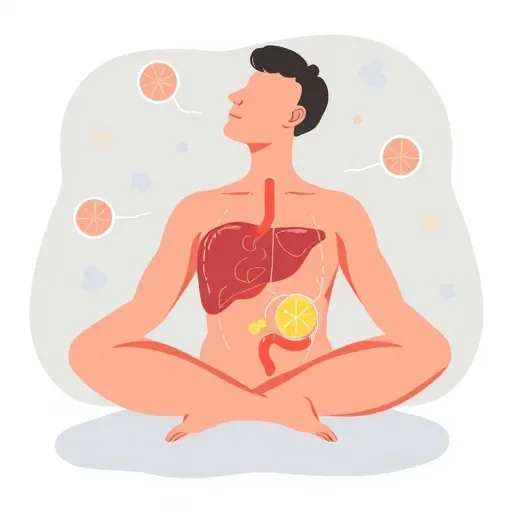
In TCM, the Spleen and Stomach are the dynamic duo that transform food into usable energy. When they’re out of sync, you get symptoms like bloating, heaviness, or fatigue after eating. Rose is believed to gently harmonize the digestive system, reducing discomfort and helping your body feel lighter and more energized.
Everyday Uses: Bringing Rose Into Your Life
The simplest way to enjoy Mei Gui Hua is as a tea infusion. Just a handful of dried rosebuds steeped in hot water creates a fragrant, slightly sweet drink that feels like self-care in a cup.
But rose isn’t limited to tea. Here are some ideas:
- Rose & Goji Berry Infusion: Combine rosebuds with goji berries for a sweet, soothing blend that supports both energy and calm.
- Rose in the Kitchen: Sprinkle petals over desserts or rice dishes for an elegant, aromatic twist.
- Rose Bath Ritual: Add a few rosebuds to warm bathwater for a spa-like experience that calms both body and mind.
Mei Gui Hua
Balances emotions and Qi
👉 [See on Amazon – Here]
👉 [See on IHerb – Here]
Case Stories: Real-Life Experiences With Rose
Sometimes the best way to understand an herb is through lived experience. Here are two snapshots from my practice as a TCM doctor:
- Case 1: Emotional Tension
A 35-year-old woman struggling with irritability and a tight feeling in her chest began drinking rose tea daily, along with practicing mindful breathing. After three weeks, she described feeling lighter, calmer, and less reactive.
Jia Wei Xiao Yao Wan
An emotional & digestive support champion. It helps release stress, ease bloating, PMS
👉 [See on Amazon – Here]
👉 [See on Walmart– Here]
- Case 2: Low Energy and Digestive Heaviness
A 42-year-old man dealing with fatigue and heaviness after meals tried a blend of rose and goji berry tea. Within a month, he reported improved vitality and a sense of balance after eating.
Of course, every body is unique, but these experiences mirror what classical texts have been saying about rose for centuries.
Traditional Formulas Featuring Mei Gui Hua
Rose often appears as part of larger herbal formulas in TCM, including:
- Mei Gui Hua San – designed to ease Liver Qi stagnation.
- Xiang Ju Hua Cha – a rose-and-chrysanthemum tea that promotes relaxation and harmony.
These blends show how rose plays well with others, enhancing and balancing the effects of companion herbs.
Ju Hua ( chryzanthemum)
Cool the body from both inside and outside
👉 [See on Amazon –Here ]
👉 [See on Walmart – Here]
Practical Recipe 1: Rose & Goji Tea
Ingredients:
- 6 Mei Gui Hua buds
- 1 tablespoon of goji berries
- 200 ml hot water
Instructions:
- Place the ingredients in a teapot.
- Pour hot water (around 90°C / 194°F).
- Steep for 5–7 minutes.
- Sip slowly, ideally in a quiet moment of the day.
The result? A beautifully fragrant tea with a subtle sweetness that both refreshes and grounds you.
Practical Recipe 2: Rose & Chrysanthemum Tea
Ingredients:
- 6 Mei Gui Hua (rose) buds
- 4 dried chrysanthemum flowers
- 1 teaspoon honey (optional)
- 200 ml hot water
Instructions:
- Place the rose buds and chrysanthemum flowers in a teapot.
- Pour hot water (around 90°C / 194°F) over the flowers.
- Steep for 5–8 minutes.
- Add honey if desired.
- Sip slowly, enjoying the calming floral aroma.
The result: A gentle, fragrant tea that soothes the liver, calms the mind, and refreshes the body, perfect for a relaxing afternoon.
Three TCM Tips to Pair With Rose
To get the most out of Mei Gui Hua, consider combining it with simple lifestyle habits inspired by TCM wisdom:
- Eat warm, nourishing meals – these support the Spleen and digestion.
- Practice self-massage – gently press the acupoint Liver-3 (Taichong) on your foot to encourage smoother Qi flow.
- Breathe deeply – just five minutes of slow, conscious breathing a day can calm Shen and reduce stress.
Fun Rose Facts: A Journey Through History
- In ancient China, roses weren’t just herbs—they were cultural symbols of balance and love.
- Empress Wu Zetian, the only female emperor in Chinese history, was said to cultivate hundreds of rose varieties in her gardens, many of which ended up in her personal brews.
- Through trade, roses traveled to Arabia, where rose oil distillation was perfected, before making their way back to China.
- Today, China produces over 1.2 million tons of dried rosebuds annually, much of which is used in both the tea and wellness industries.
- In TCM, rose is sometimes called the “bridge herb” because it connects body and emotions so seamlessly.
Rose and Modern Research
Recent studies have taken a closer look at rose’s chemical makeup. Flavonoids and polyphenols, found in abundance in rose petals, have been linked to benefits for the nervous system and emotional balance (see Phytotherapy Research, 2019). This blend of tradition and science makes Mei Gui Hua an exciting herb that bridges past and present.
Frequently Asked Questions About Mei Gui Hua
1. Can I drink rose tea every day?
Yes, in moderate amounts—1–2 cups a day is a comfortable range for most people.
2. Does rose taste bitter?
Rose tea has a lightly sweet flavor with just a touch of bitterness, which adds to its balancing qualities.
3. What herbs pair best with rose?
Goji berries, chrysanthemum, and green tea are classic companions.
4. Is rose safe for children?
Generally yes, but always start with small amounts and check with a qualified practitioner if unsure.
5. How long can dried rosebuds be stored?
Up to 12 months if kept in a sealed container away from light and moisture.
The Takeaway: More Than Just a Pretty Flower
So is Mei Gui Hua just “rose tea”? Not at all. It’s a flower with centuries of tradition behind it, a symbol of harmony, and a gentle ally for both body and spirit. From calming your heart to smoothing out your energy, from lightening digestion to creating a daily ritual of self-care, Mei Gui Hua offers far more than meets the eye.
Think of it this way: each rosebud is like a little bridge—linking the wisdom of the past with the needs of modern life. Subtle, fragrant, and quietly transformative.
The next time you sip a cup of rose tea, you’re not just drinking flowers. You’re connecting to an ancient tradition of balance, beauty, and resilience.
👉 If this article spoke to you — sign up for the newsletter below for weekly TCM wisdom and rituals you can start today.
Must-Read Books
One informative resource is: Nutritional Healing with Chinese Medicine: + 175 Recipes for Optimal Health
👉 [See this book on Amazon paperback][Kindle]
The Chinese Medicine Cookbook: Nourishing Recipes to Heal and Thrive
👉 [See this book on Amazon Paperback][Kindle]
and: The Five Elements Cookbook: A Guide to Traditional Chinese Medicine with Recipes for Everyday
👉 [Check the price on Amazon paperback][Kindle]
Sunpentown NY-656 3-4/5-Liter Chinese Herbal Medicine Cooker with Stainless Heater
👉 [See on Amazon ]
Where can I buy it?
If you’re looking for authentic, practitioner-recommended, high-quality Traditional Chinese Medicine (TCM) formulas — available globally — we recommend the following herbal products.
These time-tested formulas are crafted with the finest ingredients and are widely used to support emotional balance, digestion, energy, and overall wellness.
FYI: This post contains affiliate links to herbs we’ve actually tried from reliable, certified sellers. If you buy through them, you’re supporting our blog. Thanks! 🙏
Top Recommended High-Quality Herbal Formulas:
Before you decide to buy, check the detailed description and reviews in several stores to see if this product is right for you!
- Jia Wei Xiao Yao Wan
An emotional & digestive support champion. It helps release stress, ease bloating, PMS
👉 [Buy on Amazon – Here]
👉 [Buy on Walmart– Here] - Mei Gui Hua
Balances emotions and Qi
👉 [Buy on Amazon – Here]
👉 [Buy on IHerb – Here] - Suan zao ren wan
It calms internal restlessness and supports restful sleep.
👉 [Buy on Amazon –Here ]
👉 [Buy on Walmart – Here] - Long jing green tea
It gently clears internal fire, supports digestion
👉 [Buy on Amazon –Here ]
👉 [Buy on IHerb – Here] - Ju Hua ( chryzanthemum)
Cool the body from both inside and outside
👉 [Buy on Amazon –Here ]
👉 [Buy on Walmart – Here]
These formulas are based on ancient herbal wisdom and are used by TCM practitioners worldwide. Be sure to consult a professional for personalized advice.
🎁 Get 5% OFF with this code:
Use promo code TCMHEAL5 at checkout to receive an exclusive 5% discount—only at Arcana Herbs Shop.
At Arcane Herbs Shop, every formula is handcrafted with care, using time-honored traditions and natural ingredients👉( HERE)
Want more tips? Discover how Traditional Chinese Medicine can naturally support emotional balance in Ask a TCM Doctor archive
Sharing the wisdom of Traditional Chinese Medicine is our passion and calling.
If these words resonate with you, and you’d like to help me keep creating, consider offering a symbolic cup of green tea or support through Ko-fi.
Your kindness nurtures this work — like qi flows through the meridians..
These articles may interest you
COMPLETE TCM GUIDE FOR BEGINNERS
THE BETTER SLEEP & STRESS RELIEF GUIDE
ACUPRESSURE FOR WOMEN: SIMPLE POINTS FOR NATURAL BEAUTY
ACUPRESSURE FOR BEGINNERS: 3 MUST-READ BOOKS TO MASTER HEALING NATURALLY
Newsletter o zdrowiu z TCM
Wyrusz w podróż po mądrość Tradycyjnej Medycyny Chińskiej.
Dołącz do newslettera i co tydzień otrzymuj porady oraz nowe artykuły prosto na swoją skrzynkę.
Nie ma newslettera? Sprawdź Spam — czasem się tam ukrywa.
TCM Health Newsletter
Embark on a journey into the wisdom of Traditional Chinese Medicine.
Join the newsletter and receive weekly tips and new articles delivered straight to your inbox.
No newsletter? Check Spam — it sometimes hides there.