TCM Solutions for Eczema: Causes & Practical Advice

Dr. Tomasz Borecki is a specialist in Traditional Chinese Medicine (TCM) with over 25 years of experience. He was educated in China, where he developed his expertise in Eastern medicine. He actively promotes TCM in Poland and internationally. More information can be found in the “About Us” section.
Healing Eczema Naturally?
Eczema is something millions of people around the world struggle with every day. The constant itch, dry patches, and unpredictable flare-ups can make life uncomfortable and frustrating. Most people automatically think of allergies, harsh soaps, or dry skin as the culprits—and, of course, conventional treatments often focus on creams and medications to calm the symptoms. But what if there was another way to look at it?
As a practitioner of Traditional Chinese Medicine (TCM), I’ve spent years exploring how eczema isn’t just about what you put on your skin—it’s about what’s happening inside your body. TCM doesn’t just mask the symptoms; it looks for the root cause, often hidden in imbalances in your body’s energy, or “Qi,” and in the way your organs interact. Your skin, in this view, is a reflection of your inner health. By understanding the patterns behind your eczema, we can begin to address it more holistically, supporting your body’s natural ability to heal.
In this guide, I’ll walk you through eczema from the TCM perspective, explaining why your flare-ups happen, what your body might be trying to tell you, and how simple lifestyle adjustments, diet tweaks, and targeted therapies can make a real difference. Ready to see your skin—and your health—from a whole new angle? Let’s get started.
How TCM Views Eczema
In TCM, eczema is not just a skin issue. It is seen as a result of disrupted internal harmony—especially imbalances between Yin and Yang, and the blocked or deficient flow of Qi (vital energy). According to TCM, eczema may stem from:
- Accumulation of Dampness and Heat in the body
- Liver Qi stagnation
- Weakening of the Lungs’ dispersing function
- Diets that promote phlegm and damp
- Emotional stress affecting energy flow
Early improvements may be noticed within weeks using TCM therapies, but full recovery involves time and treating the body as an interconnected system.
Dampness & Heat – Primary Culprits
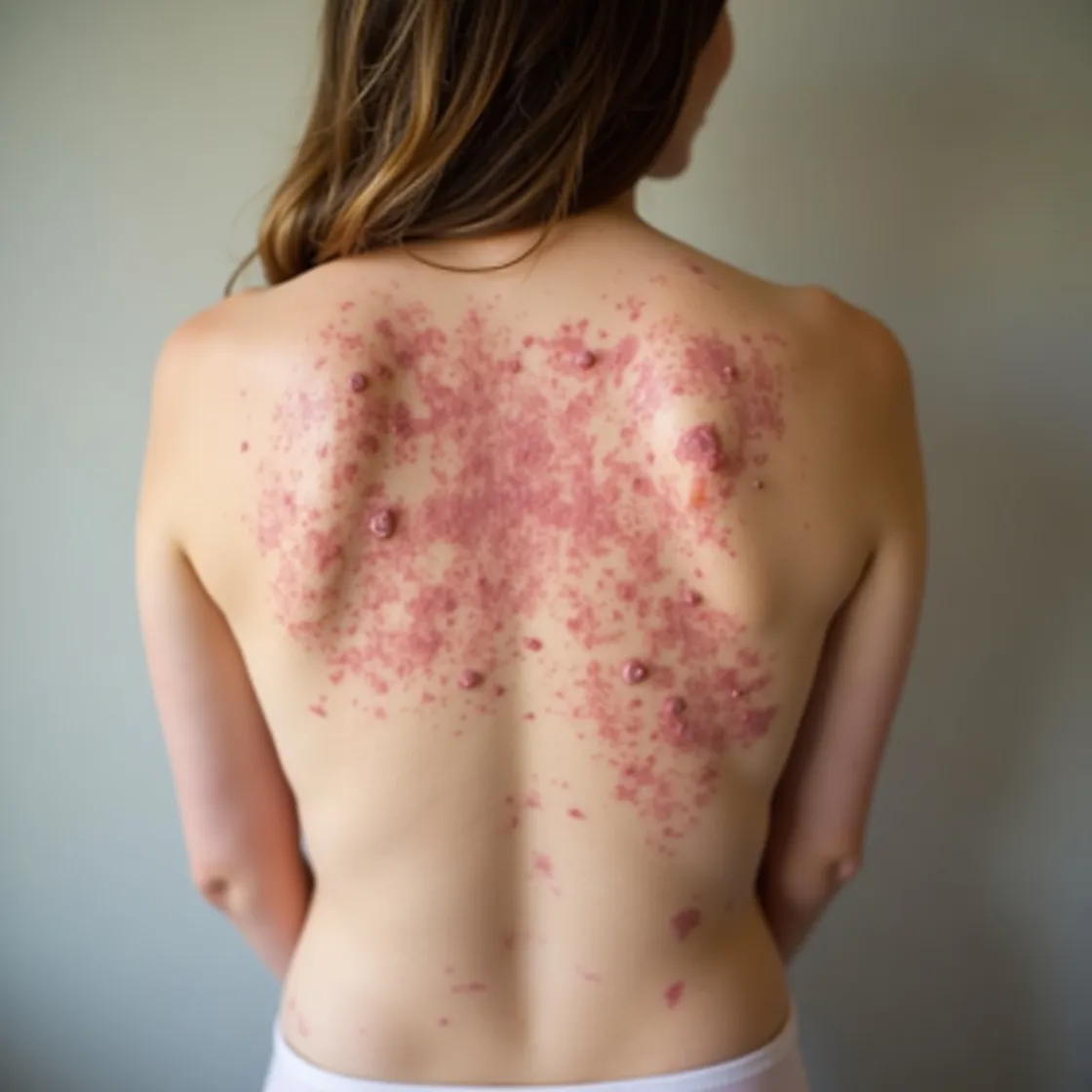
Eczema is often caused by internal damp-heat, according to TCM. These elements create redness, itching, and blistering. Dampness gets “stuck,” while heat “boils” it beneath the skin.
Signs of damp-heat excess:
- Intense redness
- Itching that worsens with warmth
- Oozing blisters
- Strong odor from the affected skin
What contributes to this imbalance?
- Spicy, fried, and greasy foods
- Alcohol
- Hot and humid climate
- Lack of physical activity
💡 TCM Tip: Add damp-clearing foods like mung beans, radish, fennel, and green tea to your meals.
Lungs and Skin – A Deep Connection
In TCM, the lungs “govern” the skin—they manage pore function, moisture, and “skin breathing.” When lung Qi is weak, you may experience:
- Dry, cracking, or peeling skin
- Frequent eczema flare-ups in autumn
- Low immunity
Support your lungs with:
- Breathing exercises
- Acupuncture at Fei Shu (BL13)
- Herbs like marshmallow root, flaxseed, and pears
Food: Medicine or Poison?
In TCM, it’s said: “Food is the best medicine.” An unsuitable diet can worsen eczema by producing excess dampness, phlegm, and internal heat.
Foods that can aggravate eczema:
- Dairy (especially cow’s milk)
- Refined sugar
- Wheat and white flour
- Fried foods
- Alcohol
- Hot spices (like chili and pepper)
Eczema-soothing foods:
- Brown rice
- Cooked root vegetables (carrot, pumpkin, beetroot)
- Millet (great for drying damp!)
- Mung beans, lentils
- Green tea (clears heat)
📌 TCM Advice: Instead of restrictive diets, try food journaling and observe how your body responds. Often, your body “tells” you what it needs.
Stress and Qi Stagnation
Emotions heavily influence Qi flow in TCM. Anger, frustration, and chronic stress can lead to Liver Qi stagnation, which directly affects the skin.
Signs of Qi stagnation in the liver:
- Sudden flare-ups during stressful periods
- Upper abdominal fullness
- Tight shoulders and neck
- Headaches
- Mood swings
The liver ensures smooth Qi flow. When blocked, it shows up on the skin—especially in eczema sufferers.
What helps?
- Physical activity (walks, Qi Gong, Tai Chi)
- Acupuncture at Liv3 (Tai Chong)
- Herbs like bupleurum (chai hu), chamomile, and lemon balm
🧘 TCM Suggestion: Practice mindfulness and stress-relief techniques. Eczema often reflects inner unrest that can be calmed with a peaceful mind.
Jia Wei Xiao Yao Wan and Eczema: What You Should Know
Jia Wei Xiao Yao Wan (also known as Augmented Free and Easy Wanderer Pills) is a well-known formula in Traditional Chinese Medicine (TCM) often used to support people dealing with stress-related digestive issues, including symptoms commonly associated with Irritable Bowel Syndrome (IBS) and Eczema
This classic blend is designed to soothe the liver, support digestion, and promote emotional balance. In TCM theory, IBS often links to “Liver Qi stagnation” affecting the spleen and stomach, which can lead to bloating, abdominal discomfort, irregular bowel movements, and heightened sensitivity to stress. Jia Wei Xiao Yao Wan combines gentle herbs traditionally used to harmonize digestion, ease tension, and support a healthy gut-brain connection.
Many people report that this formula helps reduce bloating, alternating constipation and diarrhea, and stress-related flare-ups. While it’s not a quick fix, it’s valued for its balancing approach – addressing both emotional and digestive components of IBS.
If you’re considering Jia Wei Xiao Yao Wan for Eczema symptoms, it’s best to consult a qualified TCM practitioner first. They can ensure it matches your individual pattern and guide you on proper dosage and duration for safe, effective support.
Jia Wei Xiao Yao Wan
An emotional & digestive support champion. It helps release stress, ease bloating, eczema
👉 [See on Amazon]
👉 [Check on eBay]
Case 1: Stress-Related Eczema Flare
While practicing in Beijing, we treated a 32-year-old woman who had struggled with eczema on her arms and neck for several years. She reported that flare-ups worsened during times of work stress, accompanied by irritability, bloating, and irregular periods. In TCM terms, she had Liver Qi stagnation with Heat, which often manifests as red, itchy patches on the skin.
We prescribed Jia Wei Xiao Yao Wan, a formula known for soothing Liver Qi, clearing Heat, and supporting the Spleen. After four weeks of taking the formula, combined with stress management techniques like gentle Tai Chi and dietary adjustments to reduce greasy and spicy foods, her itching significantly decreased. By eight weeks, the eczema patches were visibly calmer, and she reported feeling emotionally more balanced—showing how internal harmony can influence skin health.
Case 2: Damp-Heat and Recurring Eczema
In Hangzhou, we treated a 45-year-old man with chronic eczema on his legs and elbows. His symptoms included persistent redness, occasional oozing, and a sensation of heaviness in the body. He also experienced bloating and fatigue after meals, indicating Damp-Heat accumulation with Spleen weakness in TCM diagnosis.
We chose Jia Wei Xiao Yao Wan to harmonize Liver Qi and support Spleen function, helping to resolve internal Heat and ease emotional tension that aggravated his condition. Alongside the formula, we recommended avoiding overly sweet and oily foods and practicing moderate exercise to move stagnant Qi. Over two months, his eczema cleared significantly, and he experienced fewer flare-ups—demonstrating how addressing internal imbalances can have lasting effects on the skin.
Constitution and Genetics in TCM
Some people are born with what’s called a “weak constitution” in TCM—especially regarding organs like the spleen, lungs, or kidneys. These individuals are more prone to chronic issues like eczema.
Signs of a weak constitution:
- Frequent colds or infections
- Sensitive, dry skin
- Poor digestion, especially with rich foods
- Cold hands and feet
How to strengthen it:
- Warm, cooked meals
- Proper rest and recovery
- Regular movement
- Tonic herbs like astragalus, ginseng, cordyceps
💡 TCM Insight: “It’s better to strengthen than to treat.” For those with inherent weaknesses, prevention and energy-boosting strategies are key.
Herbal Therapy in TCM for Eczema
Herbs are essential in treating eczema in TCM. When customized, they can:
- Clear damp-heat
- Support lungs and spleen
- Regenerate skin
- Ease itching
Popular herbs:
| Herb (Latin/Chinese) | Function |
|---|---|
| Rehmannia (Sheng Di Huang) | Nourishes blood, cools internal heat |
| Sophora flavescens (Ku Shen) | Relieves itching |
| Cortex Phellodendri (Huang Bai) | Dries damp, clears heat |
| Chrysanthemum (Ju Hua) | Cools liver, benefits eyes and skin |
| Dang Gui (Angelica sinensis) | Builds blood, promotes healing |
⚠️ Important: Always consult a licensed TCM practitioner. Self-medicating with herbs may be ineffective or harmful.
Acupuncture and Energy Balance
Acupuncture is a powerful TCM technique for eczema. It doesn’t just calm skin symptoms—it restores internal balance for long-term healing.
Benefits of acupuncture for eczema:
- Regulates Qi and blood flow
- Reduces inflammation and itching
- Balances internal organs (especially lungs, liver, spleen)
- Improves detoxification
Common acupuncture points for eczema:
| Point | Location | Function |
|---|---|---|
| LI11 | Elbow crease | Clears heat from blood |
| SP6 | Inner ankle | Balances Yin, strengthens spleen |
| BL13 | Upper back (lung area) | Tonifies lung Qi |
| LIV3 | Top of foot | Unblocks liver Qi |
| ST36 | Below the knee | Boosts overall Qi and immunity |
💡 Tip: Aim for 1–2 sessions weekly for 4–6 weeks for best results.
How to to perform acupressure on the Qu Chi point (LI11) to help relieve eczema ? Watch here
Liv3 ( tai chong) – HERE, Zu san li( ST36) – HERE, San yin jiao( SP6) – HERE
Detox & Liver Support
In TCM, the liver detoxifies the body and regulates emotions. When overwhelmed by diet or stress, skin issues like eczema can appear.
Signs of liver overload:
- Wet, weeping rashes
- Cyclical skin flare-ups
- Emotional ups and downs
- Waking between 1–3 AM
Support your liver by:
- Drinking teas with bupleurum and dandelion root
- Avoiding greasy, fried foods
- Gentle movement like Tai Chi or walking
- Getting regular sleep
Helpful herbs: Bupleurum, Ginkgo biloba, Turmeric, Schisandra (Wu Wei Zi)
Eczema Through My TCM Experience
During my time practicing Traditional Chinese Medicine in China, I saw hundreds of eczema cases, each one unique and a little window into how the body communicates through the skin. Some patients came in with red, itchy patches that wouldn’t heal no matter what creams they used; others had flare-ups tied to stress, diet, or even emotional ups and downs. It quickly became clear that eczema wasn’t just a skin issue—it was often a signal that something deeper was out of balance.
In the clinic, we treated patients with a combination of herbal formulas, dietary guidance, and lifestyle adjustments. One of the most frequently used formulas was Jia Wei Xiao Yao Wan, especially for those whose flare-ups were triggered by stress or emotional tension. I watched as patients’ skin slowly calmed over weeks, and more importantly, they felt emotionally steadier and more energetic.
What struck me the most was how interconnected everything was: liver stagnation, digestive weakness, emotional stress—all could show up on the skin. Being in China allowed me to see TCM in action every day, not just as theory, but as a holistic approach that treats the root cause. That experience completely changed the way I understand and help people with eczema.
Yin-Yang Imbalance and Eczema
The balance between Yin and Yang is central to health in TCM. Eczema can indicate either Yang excess (heat) or Yin deficiency (lack of fluids/nourishment).
Eczema types by Yin/Yang:
- 🔥 Yang excess: Red, burning, itchy rashes that appear quickly
- ❄️ Yin deficiency: Dry, flaky skin with nighttime itching and internal heat
How to rebalance:
- For excess Yang: cooling herbs, reduce stress, eat steamed vegetables
- For Yin deficiency: eat moistening foods (pears, flax seeds), avoid overwork, strengthen kidneys
📌 Practical note: Every eczema case is unique. Have a TCM practitioner assess your Yin-Yang balance personally.
Qi Gong and Breathwork
Qi Gong is an ancient practice blending movement, breath, and mental focus to improve energy flow and organ function—a perfect companion to eczema therapy.
Benefits for eczema:
- Stress reduction (crucial for Qi stagnation!)
- Better oxygenation
- Strengthens lungs and spleen
- Enhances skin health via improved circulation
Simple Qi Gong routine:
- Stand with feet hip-width apart
- Inhale slowly through the nose, raising arms overhead
- Exhale through the mouth, lowering arms and “releasing” stress
- Repeat 10 times morning and evening
📌 Just 10–15 minutes daily can boost well-being significantly.
Natural Skincare from a TCM Viewpoint
TCM sees skin as a reflection of internal health—not just something to treat externally. That’s why skincare should also focus on inner balance.
Skincare principles for eczema:
- Avoid chemical cosmetics (especially alcohols and synthetic preservatives)
- Use plant oils like evening primrose, hemp, or black cumin
- Hydrate from the inside—with healthy fats and plenty of water
- Use herbal compresses (e.g., calendula, chamomile, willow leaves)
💡 TCM Note: During active flare-ups (red, weeping skin), avoid heavy moisturizers that trap heat. First clear inflammation, then hydrate.
Top 10 Mistakes Eczema Patients Make (According to TCM)
- Only treating symptoms—not the root cause
- Consuming cold drinks/raw foods—weakens the spleen
- Lack of rest—drains Qi and worsens skin
- Over-washing or using harsh soaps
- Overheating the body (hot baths, saunas, spicy food)
- Avoiding healthy fats—leads to Yin deficiency
- Abruptly stopping steroids—without internal support
- No personalized diagnosis—every eczema case is different
- Stress and overwork—deepens liver Qi stagnation
- Lack of consistency—natural healing requires patience
📌 TCM Wisdom: Trust the process. Healing deeply means healing slowly, but thoroughly.
There have been clinical studies and systematic reviews of Traditional Chinese Herbal Medicine (CHM) for eczema, but results are still mixed and inconclusive. A Cochrane review analyzing 28 randomized controlled trials (with over 2,300 participants) found no conclusive evidence that oral or topical CHM significantly benefits eczema, largely due to low‑quality studies and inconsistent results. Some trials showed reduced itching or improvement, but evidence overall remains weak and needs better‑designed research. Cochrane
Read more here: Chinese herbal medicine for atopic eczema (Cochrane Review)
Frequently Asked Questions (FAQ)
1. Can eczema be cured with TCM?
Yes—when treated holistically. With the right lifestyle, diet, herbs, and acupuncture, healing is possible.
2. How long does treatment take?
From a few weeks to several months—depending on your eczema type, history, and overall health.
3. Is TCM safe for children with eczema?
Absolutely! Gentle treatments like Tuina massage, dietary changes, and herbs are ideal for kids.
4. Can TCM be combined with Western medicine?
Yes—but always consult both your doctor and TCM practitioner to coordinate treatment safely.
5. Is the TCM diet difficult to follow?
Not at all—it’s about eating warm, natural, nourishing meals and tuning into your body.
6. Do TCM herbs have side effects?
Rarely—if prescribed correctly. Always avoid self-medicating.
Final Thoughts & Actionable Tips
From the TCM perspective, eczema is a sign of inner imbalance, not just a skin disorder. The causes vary—damp-heat, Qi stagnation, Yin deficiency, weak organs.
Key takeaways:
- Treat the cause, not just the symptom
- Care for your diet, sleep, and emotions
- Trust nature and be patient
- Seek guidance from a qualified TCM therapist
If you look at eczema not just as a skin issue but as your body’s call for harmony, you may find a deeper, wiser, and more effective healing journey.
Read more: Ask a TCM Doctor Archive
Must-Read Books
One informative resource is: “The Eczema Relief Diet & Cookbook: Short-Term Meal Plans to Identify Triggers and Soothe Flare-Ups”
👉 [See this book on Amazon paperback][Kindle]
Another helpful resource is: “The Eczema Diet: Discover How to Stop and Prevent The Itch of Eczema Through Diet and Nutrition’“
👉 [Check the price on Amazon paperback][Kindle]
and: “The Acupressure Bible: The Complete Self-Treatment Guide to Relieve Pain, Reduce Anxiety & Restore Energy — Your Natural Healing Companion for the Demands of Modern Life’“
👉 [Check the price on Amazon paperback][Kindle]
Authentic Traditional Chinese Medicine (TCM) Herbal Formulas
If you’re looking for high-quality, practitioner-recommended TCM formulas — available globally — consider the following options. These time-tested products are crafted with care and widely used to support emotional balance, digestion, energy, and overall wellness.
Note: This post contains affiliate links to products we’ve actually tried from reliable, certified sellers. Supporting these links helps maintain our blog. Thank you! 🙏
Top Herbal Formulas
Jia Wei Xiao Yao Wan
An emotional & digestive support champion. It helps release stress, ease bloating, Eczema
👉 [See on Amazon]
👉 [Check on eBay]
Suan zao ren
Support better sleep, promote calmness, and improve daytime focus.
👉 [See on Amazon]
👉 [Check on Ebay]
Chai hu shu gan wan
It helps release stress,, helping reduce inflammation
👉 [See on Amazon]
👉 [Check on Ebay]
Yuan zhi
support nighttime calm and daytime focus.
👉 [See on Amazon]
👉 [Check on Ebay]
These formulas are based on ancient herbal wisdom and used worldwide by TCM practitioners. Be sure to consult a professional for personalized advice.
🎁 Get 5% OFF with this code!
Use promo code TCMHEAL5 at checkout to enjoy an exclusive 5% discount—available only at Arcana Herbs Shop.
At Arcana Herbs Shop in Chicago’s Chinatown, every formula is carefully prepared using traditional methods and natural ingredients. You can also browse and order our selections [here].
Sharing the wisdom of Traditional Chinese Medicine is our passion and calling.
If these words resonate with you, and you’d like to help me keep creating, consider offering a symbolic cup of green tea or support through Ko-fi.
Your kindness nurtures this work — like qi flows through the meridians
These articles may interest you
PRACTICAL CHINESE MEDICINE TIPS FOR CELIAC PATIENTS
NATURAL TIPS FOR BREAST CANCER RECOVERY
VARICOSE VEINS AND SPIDER VEINS – WHAT ARE THEY AND HOW TO TREAT THEM NATURALLY?
Newsletter o zdrowiu z TCM
Wyrusz w podróż po mądrość Tradycyjnej Medycyny Chińskiej.
Dołącz do newslettera i co tydzień otrzymuj porady oraz nowe artykuły prosto na swoją skrzynkę.
Nie ma newslettera? Sprawdź Spam — czasem się tam ukrywa.
TCM Health Newsletter
Embark on a journey into the wisdom of Traditional Chinese Medicine.
Join the newsletter and receive weekly tips and new articles delivered straight to your inbox.
No newsletter? Check Spam — it sometimes hides there.